English village of 350 residents votes to secede from United Kingdom: What's going on there?
Piddington, a small town in Oxfordshire, held a symbolic referendum and declared itself the "Principality of Piddington" to reject the government's plan to house up to 1,256 asylum seekers in a former military facility located less than a mile from the town.
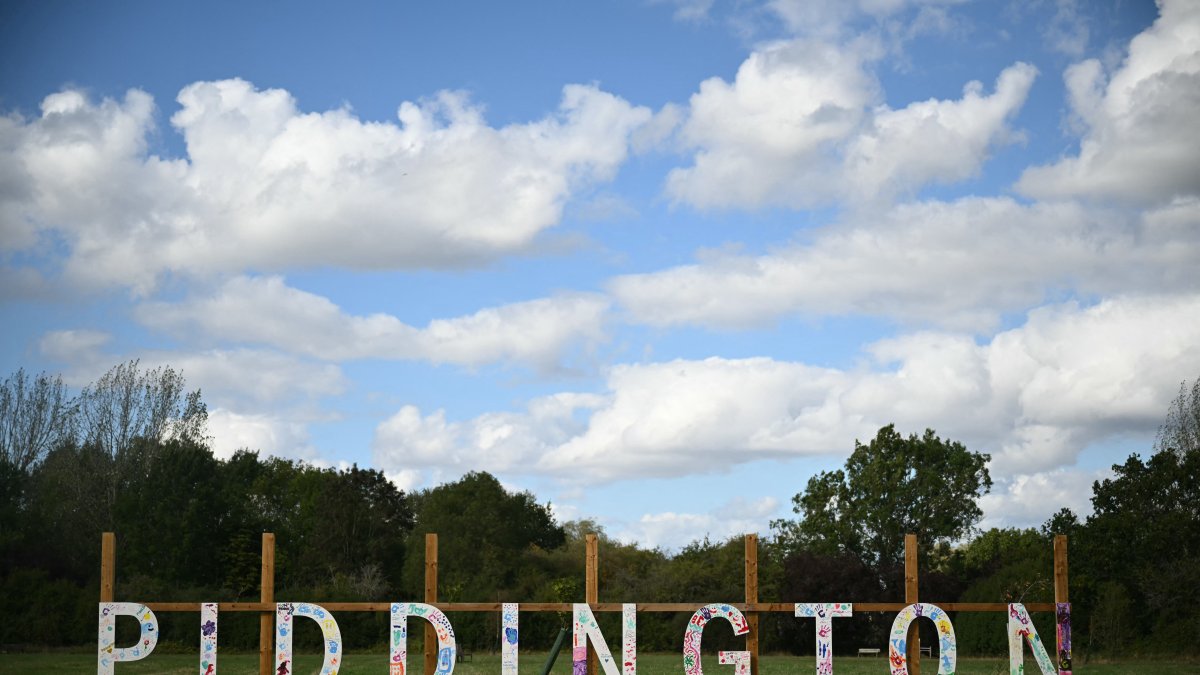
A town with fewer than 400 residents votes in a symbolic referendum on leaving the United Kingdom

A sign posted at the entrance to a small village in the English countryside now announces something unexpected: 'Principality of Piddington'.
No new country has been born in Europe, nor has the United Kingdom officially lost another territory. But the residents of Piddington, a village of just 350 people in Oxfordshire, decided to use a unique form of protest: voting for their own independence.
The referendum, held this week, has no legal effect. However, the result was overwhelming. Of the 312 people who participated, 285 voted in favor of seceding from the United Kingdom, 26 opposed it, and one ballot was invalidated.
The goal was to draw attention to a British government plan to house up to 1,256 male asylum seekers at a former Ministry of Defense facility located in Bicester, about half a mile from Piddington.
This figure is particularly striking for local residents: the planned center could house a population more than three times that of the village itself.
The 'Principality of Piddington'
After the result was announced, parish council chairman Tim McNally declared that the town would symbolically be known as the "Principality of Piddington."
"We've sent a resounding message—not just to the region, not just to the country, but to the world," McNally said after the vote, according to the Associated Press.
The spectacle helped turn a local dispute into a national story. Residents posed next to the new sign for the so-called principality, and journalists gathered in front of city hall to hear the results of a referendum with no legal standing, but one carefully designed to draw attention to the conflict.
The gesture has even been compared to Passport to Pimlico, the 1949 British comedy in which a London neighborhood discovers that it technically does not belong to the United Kingdom and decides to declare its independence.
Behind the colorful story, however, lies a much more serious dispute.

A former military base where the government has proposed housing some 1,200 asylum seekers
A camp on the outskirts of town
The British government plans to convert the former Ministry of Defense base into housing for asylum seekers as part of its strategy to reduce the use of state-funded hotels.
Residents have questioned both the scale of the project and the chosen location, claiming they were not properly consulted.
Among their concerns are security, the impact on services and housing, and the area's infrastructure limitations. Oxfordshire County Council leader Tim Bearder said the referendum demonstrates the extent of the unease surrounding both the project and the way the government has handled it.
One of the issues raised is access to the site. A local council member explained that there are no adequate pedestrian areas and that the nearest path is more than a mile away along a busy, unlit road.
In addition, The Times reported on Thursday about potential difficulties related to water, electricity, sewage, and gas supplies that could delay the facility's development.
The Ministry of the Interior, for its part, maintains that the facility will be designed to be largely self-sufficient with the aim of reducing its impact on the local population. It also assures that it is working with authorities and the police to ensure the safety of residents and those staying there.
A small uprising amid a national debate
The Piddington case comes amid an intense debate in the United Kingdom over where and how to house asylum seekers.
The Labour government maintains that it intends to speed up the processing of cases and gradually close hotels used for this purpose. According to the government, moving asylum seekers to dedicated facilities would reduce costs and distribute the burden more equitably across different parts of the country.
Culture Secretary Lisa Nandy acknowledged the unease felt by some communities and argued that the burden of temporary housing should not fall disproportionately on certain municipalities.
While the debate continues in London, residents of Piddington have found a rather British way to make their voices heard: holding an election to leave a country they are legally unable to leave.
The United Kingdom still has the same map. But for a few days, at least on a roadside sign, a tiny "principality" appeared in Oxfordshire.
LATEST