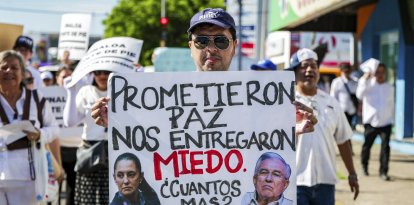
Venezuela lifts years of digital censorship, unblocks at least 10 news outlets
Websites such as El Pitazo, Efecto Cocuyo, Runrunes, Crónica Uno and EFE are once again accessible to Venezuelans without a VPN after a long period of restrictions.
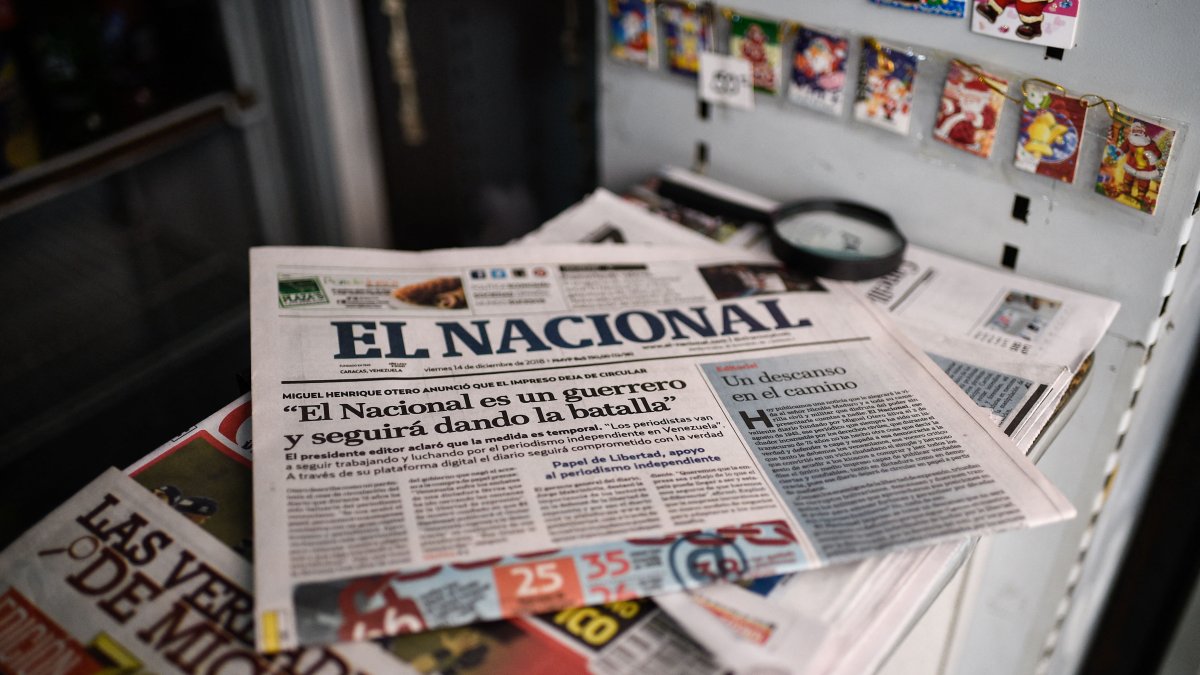
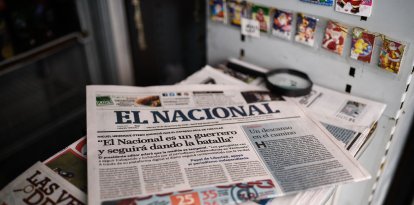
Image from the print edition of El Nacional, a Venezuelan newspaper

Several news websites that had been censored for years in Venezuela have been unblocked, the telecommunications regulator reported on Thursday, hours before the start of the second round of talks between the interim government and part of the opposition aimed at a political transition.
Freedom of speech will be one of the topics addressed at the dialogue table, sponsored by the United States, which will resume on Thursday in Caracas following a first round of talks in August.

Updates
Will Cilia Flores be released from prison? Defense requests house arrest in NY citing health concerns
Andrés Ignacio Henríquez
Censorship with impunity
Eight months after a U.S. operation to capture Nicolás Maduro, the National Telecommunications Commission (Conatel) announced on its website the "formal restoration of access to various national and international digital media platforms and outlets," according to AFP.
The news site NTN24 also confirmed on its website that "following the regime's announcement, on Wednesday night it was confirmed across Venezuela and with various internet service providers that access to www.ntn24.com was possible without using a VPN," an encrypted connection.
Venezuelan media outlets El Nacional, Efecto Cocuyo and El Pitazo were also removed from the censorship list.
How many media outlets remain blocked?
The digital rights NGO VE Sin Filtro verified access to 14 websites across various internet service providers. It still lists at least 191 blocked websites in the country, including 82 news outlets.
Journalists and several NGOs have denounced the blocking of websites for years as a form of censorship—a practice consistently denied by the Maduro regime, which has been accused of drug trafficking in a New York court.
The head of the opposition delegation, Dinorah Figuera, welcomed this decision. "This is a first step. Many media outlets are still missing, and they all have to be restored, fully and permanently," she clarified.
The measure had been recommended hours earlier by the Program for Peace and Democratic Coexistence, a nongovernmental body created by interim President Delcy Rodríguez, which remains under pressure from Washington.
The proposal emerged following "a process of consultations with various sectors of the media," the program explained on its social media accounts.
LATEST