Independent observatories present in-depth analysis of Cuba's social and economic decline in Miami
The "Cuba 2025 Report," presented by the Network of Independent Observatories of Cuba, compiles evidence on food, basic services, aging, gender-based violence, the economy, labor, political participation, and the concentration of resources.

The Network of Independent Observatories of Cuba presented the Cuba 2025 Report: Human Rights, Structural Crisis, and Lack of Protection, a more than 200-page study that compiles data and analysis produced by independent organizations on the deterioration of living conditions on the island.
The presentation took place at FIU's Steven and Dorothea Green Library in Miami, as part of the 5th Meeting of Independent Observatories on Cuba. The study addresses nine areas and combines surveys, citizen monitoring, election observation, economic and financial analysis, documentation of protests, legislative monitoring, and human rights investigations.
Among the most relevant findings is that 89% of households included in the 8th Social Rights Survey by the Cuban Human Rights Observatory (OCDH) live in extreme poverty, while 71% of those surveyed stated they had been forced to skip meals due to a lack of resources.
Recent data updated in 2026—and presented at the FIU event—indicate that extreme poverty in Cuba affects 94% of the population.
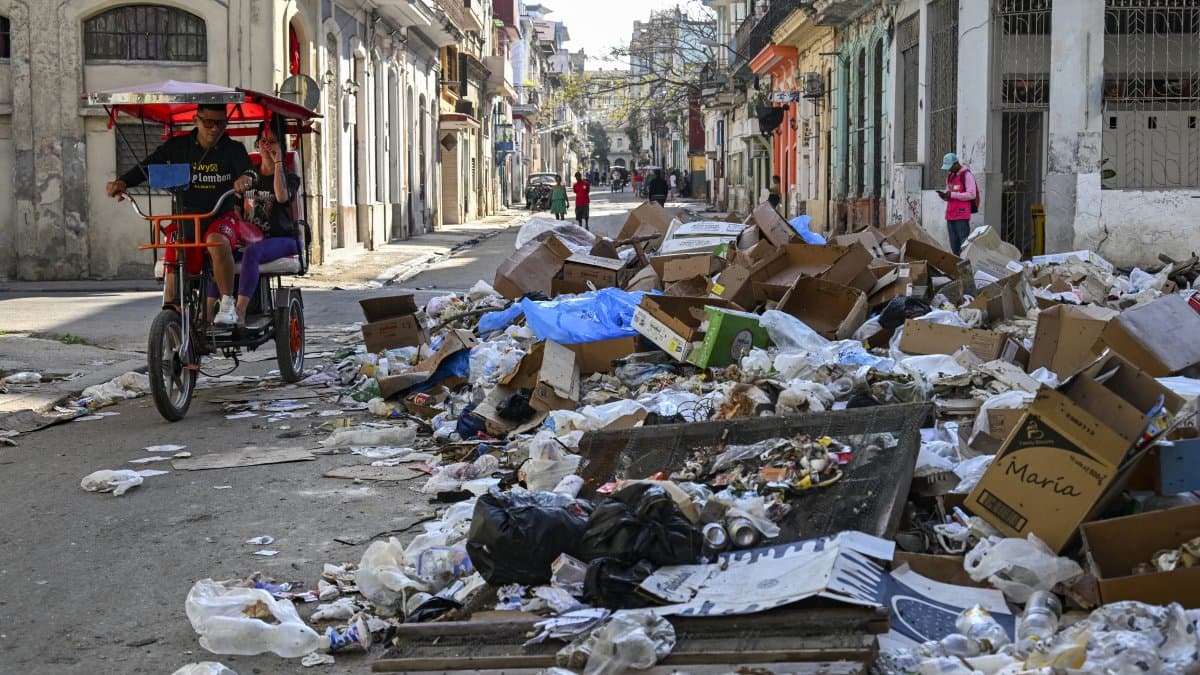
The decline in purchasing power emerges as another key theme of the document. The official average wage of 6,930 Cuban pesos was equivalent to about $13 per month at the end of 2025, based on the informal exchange rate used in the analysis, while pensions stood at around $3 per month.
Food, water, and electricity
Food Monitor Program (FMP), one of the organizations that contributed research to the report, documented the link between food insecurity and the deterioration of essential services.
The 2025 Food Security Survey conducted by FMP indicates that 29.3% of those surveyed eat only twice a day.
In addition, 65.95% of households included in the assessment of water access are experiencing water insecurity: 38.90% receive water intermittently every two days, 24.76% once every three days or more, and 2.29% lack a connection to the public water system.
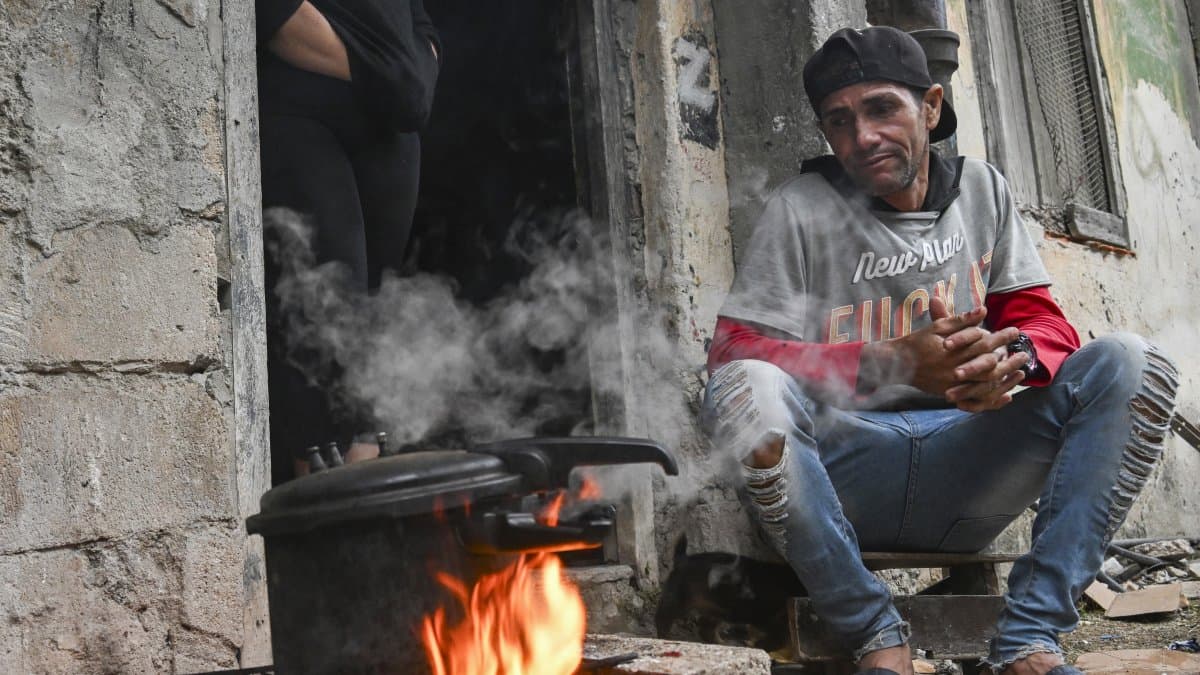
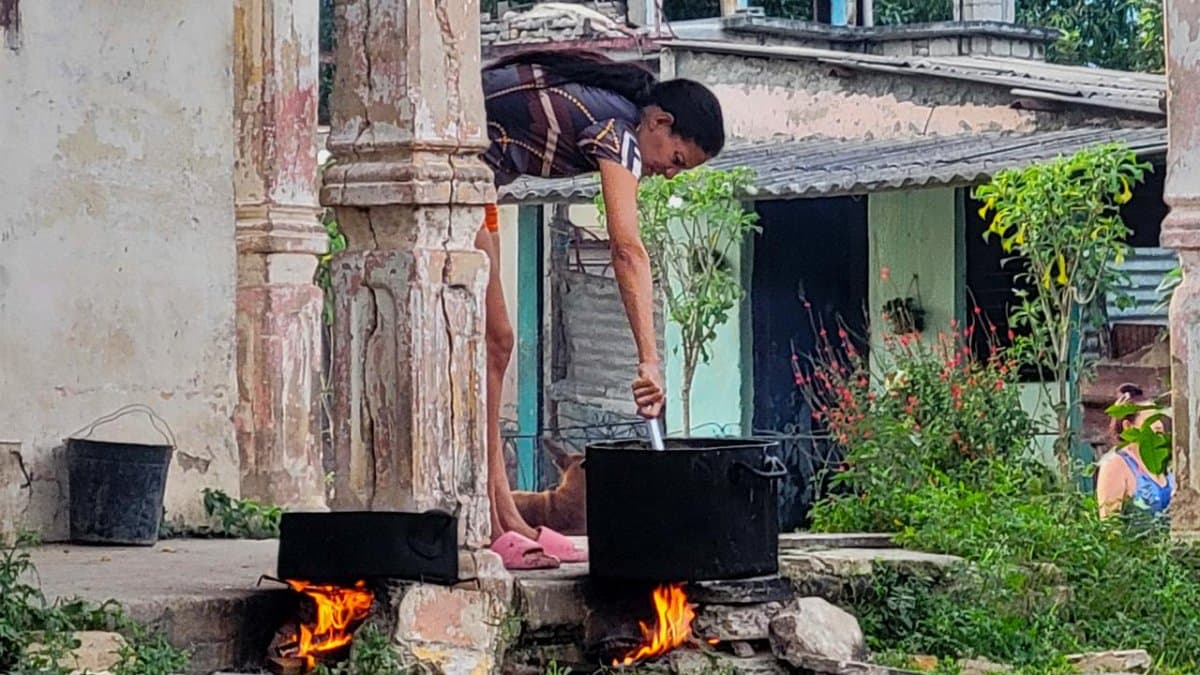
Power outages also have direct consequences on food security. 71.24% of the households surveyed reported difficulties cooking and preserving food due to power outages, while 90% rely on electricity for cooking given the difficulties in accessing other energy sources.
FMP also estimates that domestic food production has fallen by 67% over the past five years and that Cuba relies on imports for about 80% of the staple foods it consumes.
The study further notes that these difficulties are not evenly distributed. Communities in the interior face greater problems accessing water, food, and electricity, while prolonged power outages simultaneously affect water pumping, refrigeration, and food preparation.
Record number of protests in 2025
The Cuban Conflict Observatory (OCC) recorded 11,268 protests, complaints, and critical statements during 2025—the highest number documented since these organizations began tracking such events. December closed with a peak of 1,333 expressions of discontent.
The main triggers were power outages, food shortages, inflation, water shortages, and the general deterioration of public services.
Violence against women
The report also incorporates documentation from the Alas Tensas Gender Observatory and Yo Sí Te Creo en Cuba.
In 2025, 48 femicides were verified, and in 54.2% of the cases analyzed, it was not possible to determine whether there had been prior reports. The organizations also warned about the lack of mandatory protocols for immediate public alerts in response to the disappearances of women and girls.
Older adults among the most vulnerable groups
The Observatory on Aging, Care, and Rights (Cuido60) also documented the deterioration of living conditions for older adults.
Cuba has more than 2.5 million people aged 60 or older, nearly a quarter of the population. The report notes that many retirees survive on a minimum pension of 1,528 CUP ($2.90 per month), compared to a basic food basket independently estimated at between 10,000 and 12,000 CUP per person (approximately $18.80 and $22.50, respectively).
Eighty-two percent of those surveyed identified older adults as the most neglected sector in the current crisis.
The economic weight of GAESA
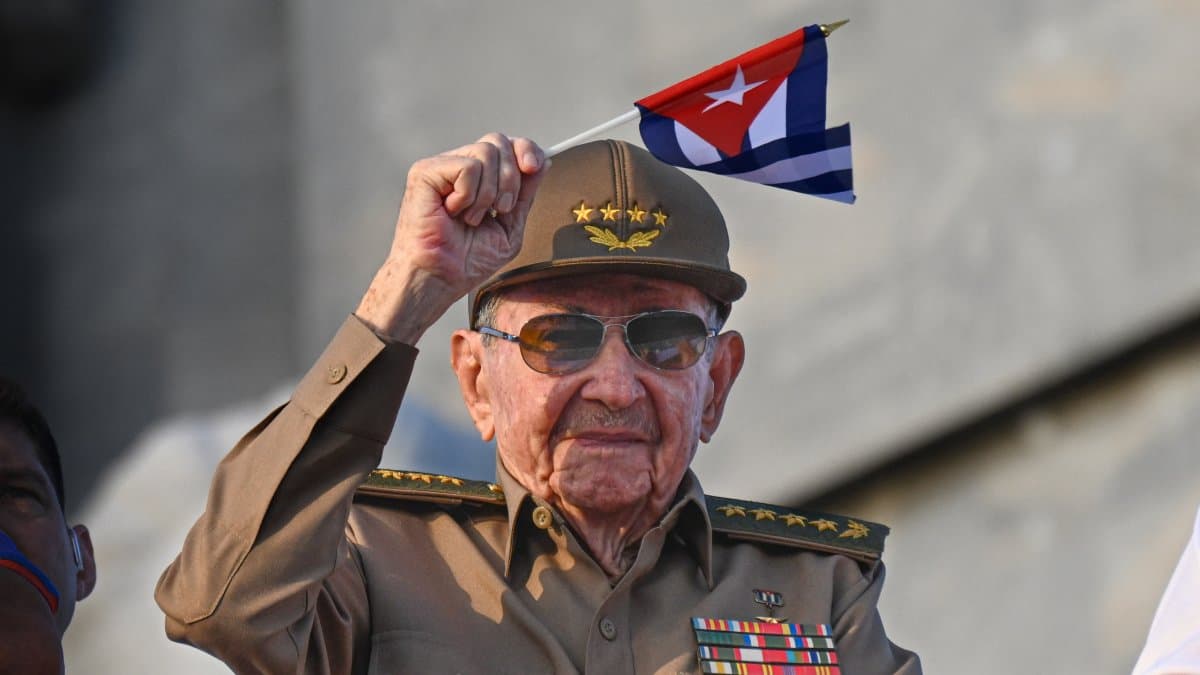
Another chapter analyzes the concentration of resources in the Grupo de Administración Empresarial S.A. (GAESA), a conglomerate linked to the Armed Forces.
Based on financial statements leaked and analyzed by the Cuban Currency and Finance Observatory (OMFi), the report estimates current assets of approximately $18 billion, of which roughly $14.5 billion would correspond to liquid reserves.
The study also estimates that the military holding company's total revenue is equivalent to 3.2 times the total revenue of the state budget and that its share accounts for 34% of total exports of goods and services.
The authors note that these calculations were made by annualizing balance sheets from previous periods; therefore, they do not provide an exact snapshot of GAESA's liquidity as of the end of 2025.
A joint investigation
The document concludes that food insecurity, power outages, water shortages, impoverishment, job insecurity, violence, and social unrest are not isolated phenomena, but rather different manifestations of a structural crisis and a resource allocation model that, according to the researchers, leaves citizens increasingly unprotected.
🛠 Do you think there is an error in this article?
Recommendations



LATEST