Another blow to the Castro Regime: Sanctions against Raúl Castro's grandson and other strategic assets
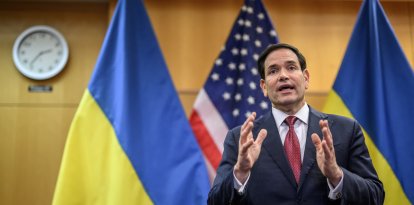
The measure was announced by Secretary of State Marco Rubio, who accused the Castro family and officials within Cuba's repressive apparatus of maintaining control over economic resources for the benefit of a small elite within the dictatorship.
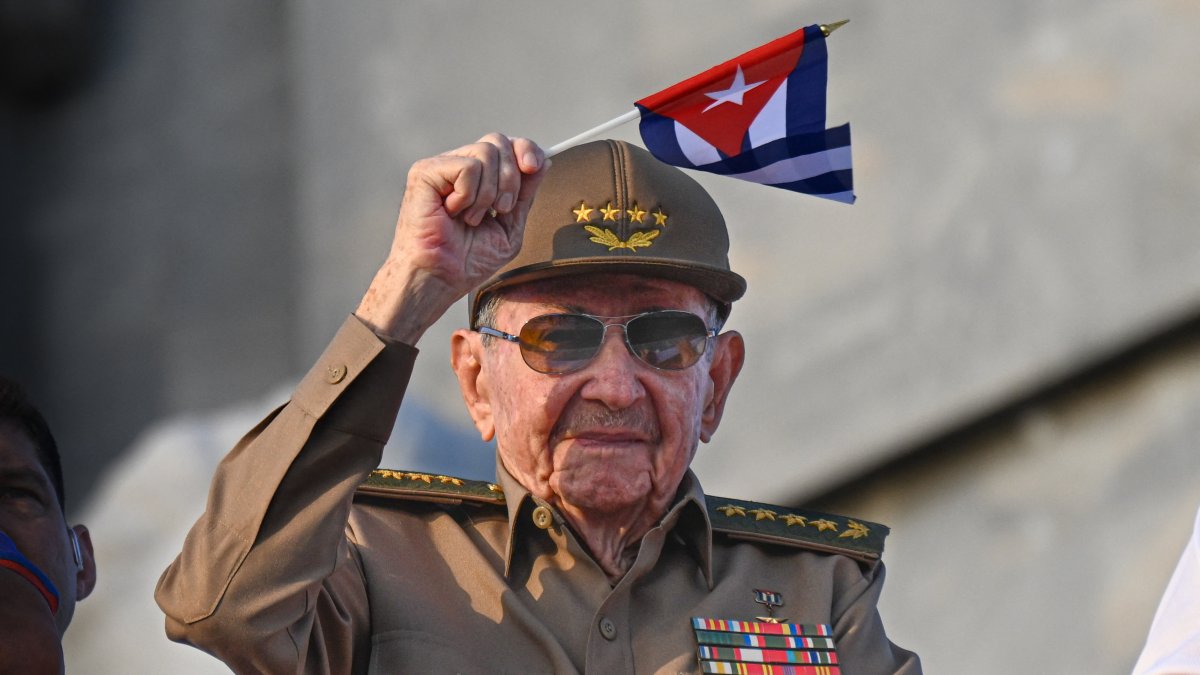
Cuba's former dictator Raúl Castro, in 2025

Washington announced a new round of sanctions on Thursday against members of Cuba's ruling elite and state-owned entities linked to strategic sectors of the island's economy. Among those sanctioned is Fidel Ernesto Castro Calis, 31, grandson of the dictator Raúl Castro, as well as five Cuban institutions and companies in the financial, mining, and energy sectors.
The measure was announced by Secretary of State Marco Rubio, who accused the Castro family and officials of the Cuban repressive apparatus of maintaining control over economic resources for the benefit of a small elite within the regime.
According to the State Department's statement, the new sanctions are directed against Cuban elites, financial channels, and the apparatus for exploiting natural and energy resources that, in Washington's view, help sustain the government in Havana.
A new member of the Castro family under sanctions
Fidel Ernesto Castro Calis is the son of Alejandro Castro Espín, a brigadier general and one of the figures linked to the Cuban power structure. Alejandro Castro Espín was also recently sanctioned by the United States.
With this new designation, Washington is extending the measures against the next generation of the Castro family, while maintaining its focus on the political, economic, and security circles surrounding the regime's leadership.
Raúl Castro himself, 95, remains one of the central figures in Cuba's power structure despite having formally stepped down from the leadership of the Communist Party. The former leader last appeared in public in Havana on August 13, during the events marking the 100th anniversary of his brother's birth, Fidel Castro.
Raúl Castro was also formally indicted by the U.S. justice system in connection with the 1996 shoot-down of two light aircraft belonging to the anti-Castro organization Brothers to the Rescue, an incident in which four U.S. citizens were killed. At that time, Raúl Castro held the position of Minister of the Revolutionary Armed Forces.
Blow to banks, oil, and mining
The U.S. offensive also targets five Cuban entities linked to sectors considered strategic. Among the designations is the Banco Exterior de Cuba, an institution within the state financial system.
Also included were:
- Comercial CUPET S.A., linked to the energy and oil sectors.
- ABAPET, a company involved in supplying the oil industry.
- Nicarotec, linked to the mining sector.
- CEXNI, a company engaged in activities related to the import and supply of the nickel sector.
The selection of these entities aligns with Washington's stated objective of targeting the financial channels and mechanisms through which the regime manages and exploits natural and energy resources.
Rubio accuses the Cuban elite of hoarding resources
The Secretary of State asserted that members of the Castro family and individuals linked to the Cuban Ministry of the Interior continue to use their positions to maintain control over the country's economic resources and benefit a small group of elites.
Rubio, who is of Cuban origin, simultaneously holds the positions of Secretary of State and National Security Advisor to President Donald Trump, and has become one of the leading figures in the U.S. administration's policy toward Cuba.
What does it mean to be sanctioned by OFAC?
The designations are imposed by the Office of Foreign Assets Control (OFAC) of the U.S. Department of the Treasury.
Inclusion on the sanctions list generally entails the freezing of property and assets located in the United States or under the control of U.S. persons, as well as restrictions on transactions with designated individuals and entities.
The sanctions also hinder the international financial relations of those affected, due to the risk posed to banks and companies in conducting business with individuals or entities subject to U.S. restrictions.
In the case of sanctioned state-owned enterprises, the measure seeks to limit their access to certain financial services and channels linked to the U.S. financial system.
An exception for foreign embassies and consulates
In parallel with the new designations, OFAC introduced an exception through General License 4A, intended to ensure certain operations of third-country embassies and consulates in Cuba.
Among other activities, the license allows these diplomatic missions to receive funds from abroad to finance their day-to-day operations, without such transactions being automatically affected by the new restrictions.
The exemption thus seeks to distinguish ordinary diplomatic operations from the economic activities of sanctioned entities.
The measure comes amid the standoff between Washington and Havana
The new round of sanctions comes as talks between the United States and the Cuban dictatorship remain at a standstill.
The Trump administration is demanding fundamental political and economic changes on the island, while Havana blames U.S. measures for much of the economic crisis and denounces what it calls an oil blockade, which it claims has compounded the U.S. trade embargo that has been in place for decades.
Washington, on the other hand, maintains that its measures are directed against those it considers responsible for sustaining the political, repressive, and economic apparatus of the regime, and not against the Cuban people.
More pressure on the regime's economic structure
The inclusion of a member of the Castro family also adds a political dimension to the measures, by directly placing under sanctions another member of the new generation linked to the regime's historic leadership.
The new round of sanctions ultimately confirms that Cuba continues to occupy a priority spot on the Trump administration's agenda and that U.S. pressure is increasingly directed not only against individual officials but also against the financial and economic structures that sustain the regime.
LATEST