The Iranian regime attacks US targets in Kuwait and defies Trump's warnings
The Iranian regime also claimed to have attacked the Al Minhad Air Base in the United Arab Emirates (UAE), although Abu Dhabi reported no such incident, leaving doubts about the scope of this second front.
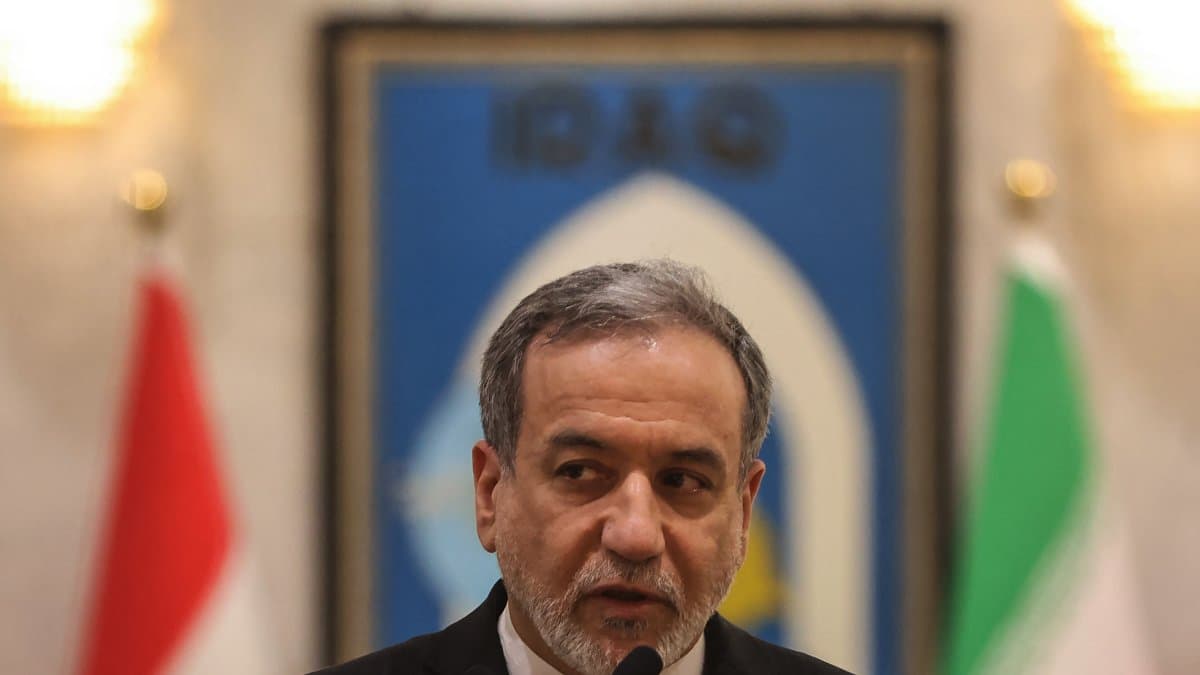

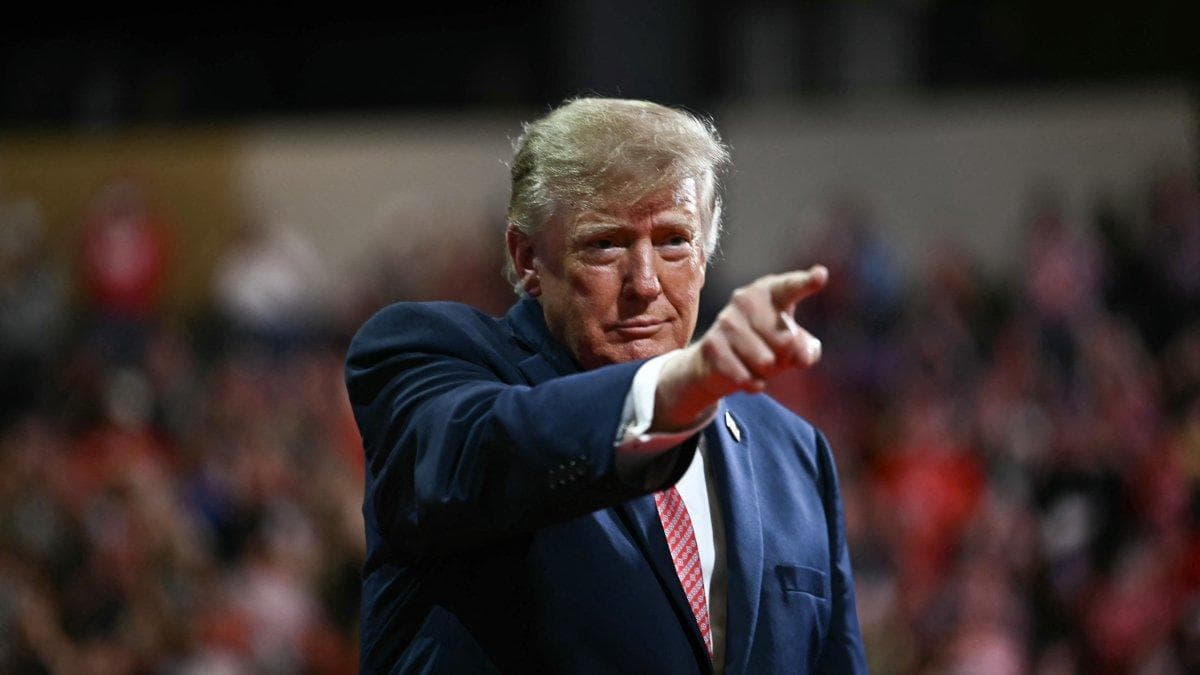
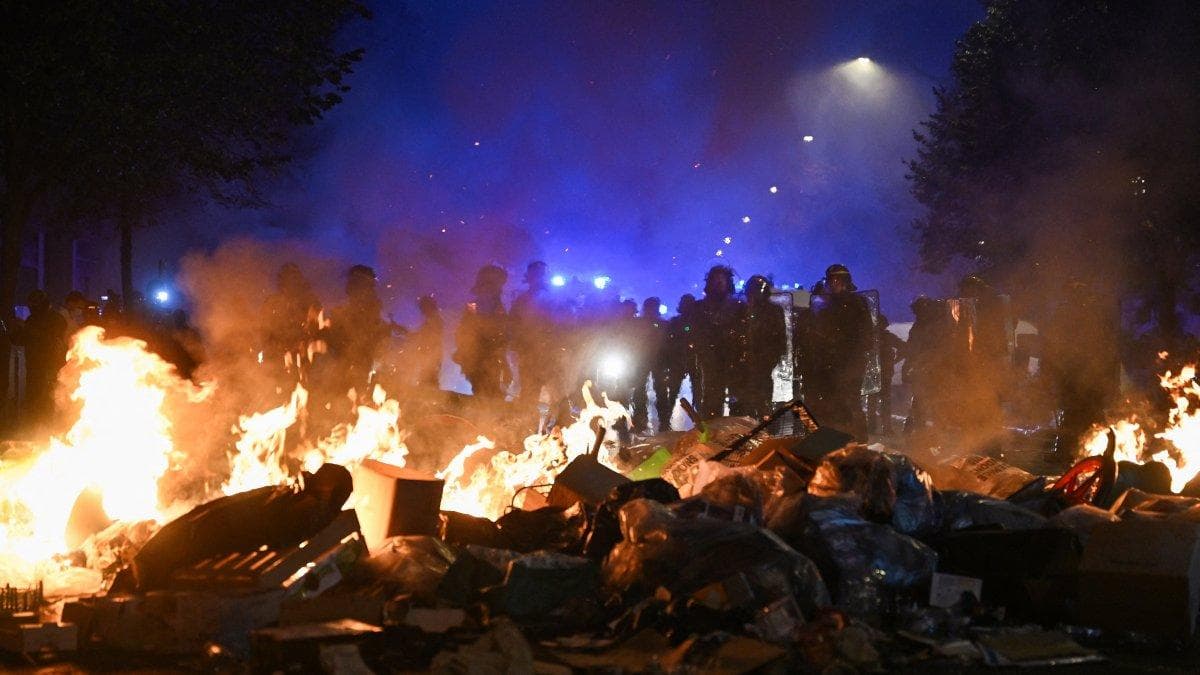
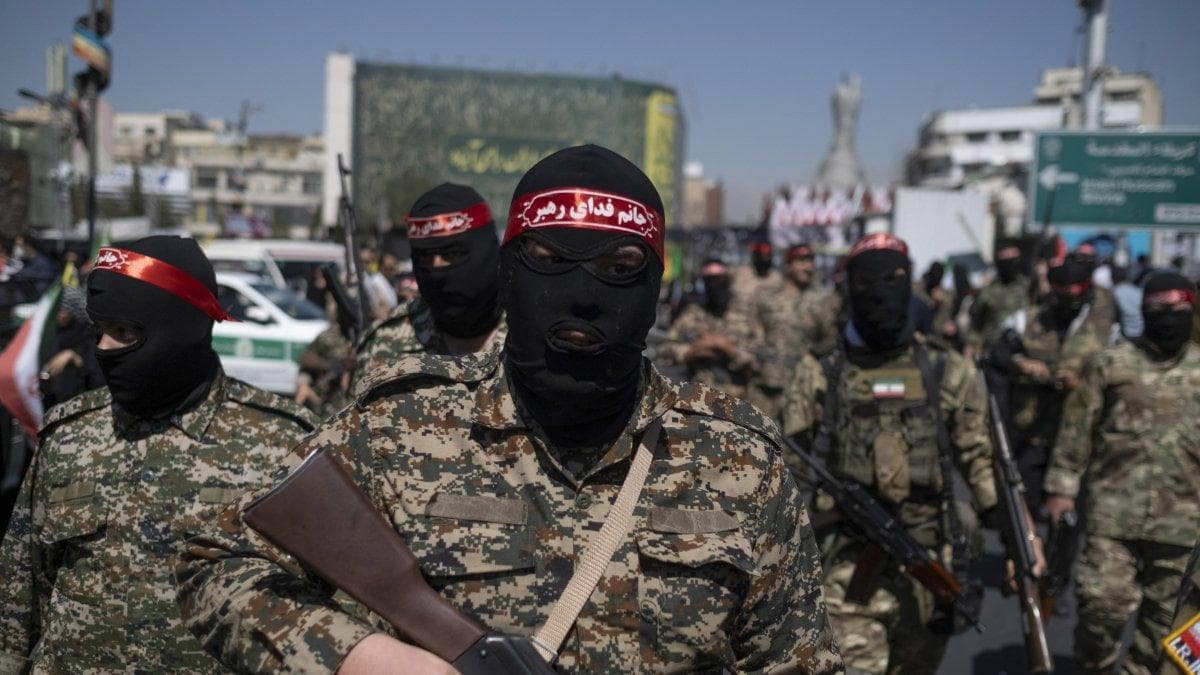
Iran launched a new attack on Thursday against U.S. military targets in Kuwait, in an escalation that ignores direct threats from President Donald Trump and further intensifies the conflict in the Middle East.
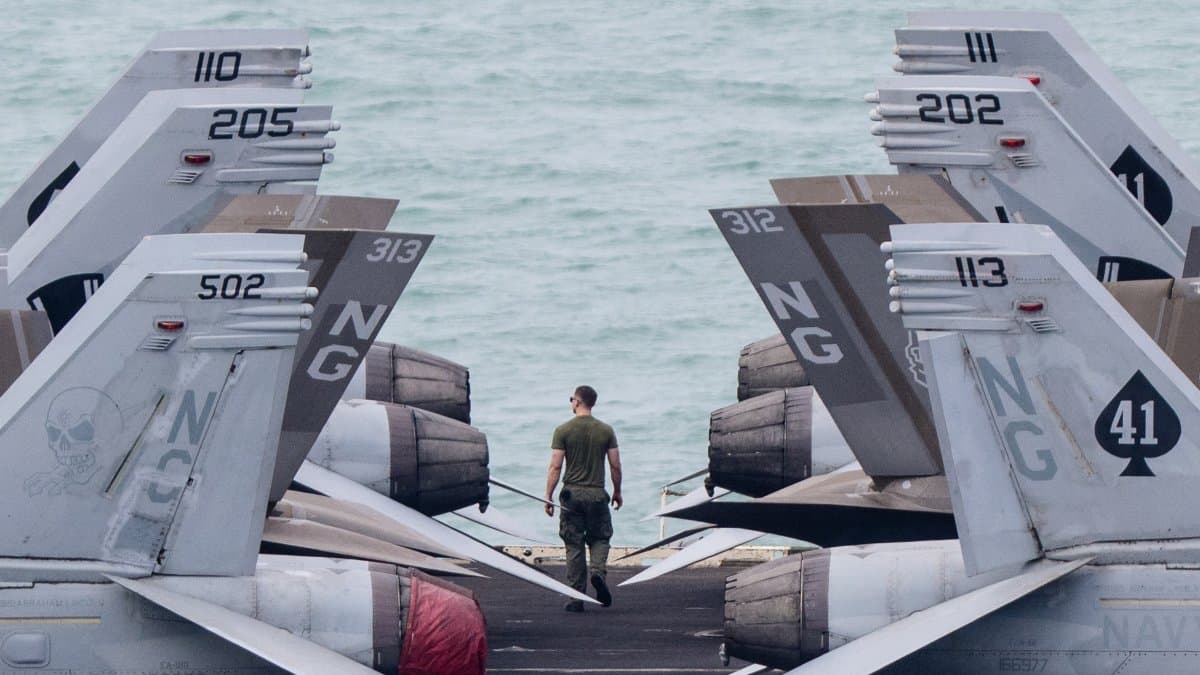
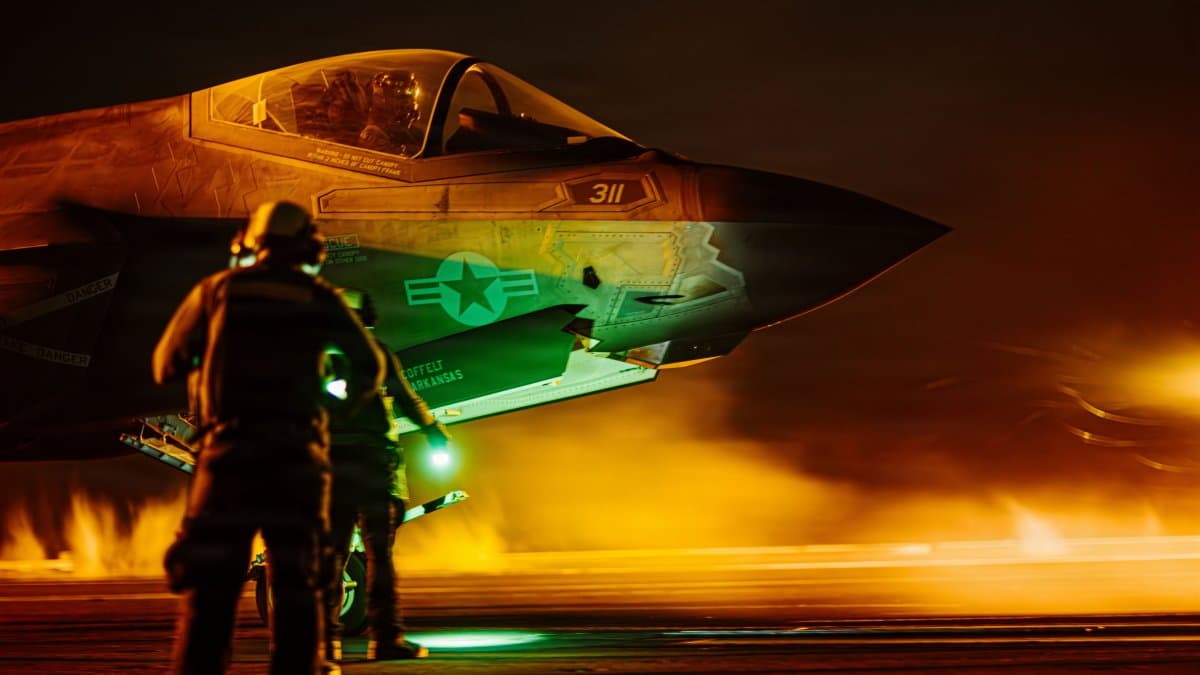
On Sunday, the one-month truce broke down. The United States bombed Iranian systems in the Strait of Hormuz, and on Wednesday, Trump said at the White House that the attack "destroyed much more than just their radar" and that he could launch another one whenever he wanted.
According to AFP, the Kuwaiti military intercepted missiles and drones launched from Iran. Tehran claimed responsibility for the attack and said it had struck the Ahmad al-Jaber airbase, used by the United States and its allies.
The Iranian regime also claimed to have attacked the Al Minhad Air Base in the United Arab Emirates (UAE), although Abu Dhabi did not report any such incident, leaving doubts about the extent of that second front.
Kuwait denounces a threat to its security
Kuwait condemned the action as a "direct threat to its security and stability" and a "serious violation of international law," emphasizing the gravity of its territory being used as the scene of the confrontation between Washington and Tehran.
The offensive comes a day after Tehran vowed to "tear the American enemy to pieces,” in response to airstrikes that, according to the Iranian regime, struck its territory and even hit a wedding ceremony.
The Iranian Foreign Ministry spokesman, Esmail Baqai, described the bombing as a "war crime" and portrayed it as part of a "desperate struggle" by the United States to conceal its failure.
The U.S. Central Command, for its part, denied having deliberately targeted civilians and asserted that its forces "never attack civilians, unlike the Revolutionary Guards," in an exchange of accusations.
Iran's "new strategy" and war of words
Tehran warned on Wednesday that it will implement a "new strategy" in the war that, according to its account, the U.S. and Israel launched against the Islamic Republic in late February.
Mohsen Rezai, secretary of the regime's Supreme National Security Council, wrote in X that "you will soon see that Iran's new strategy on the battlefield, in diplomacy and in confronting the economic blockade, will shatter its foundations," without specifying what that shift will entail.
Rising oil prices and tension in the Strait of Hormuz
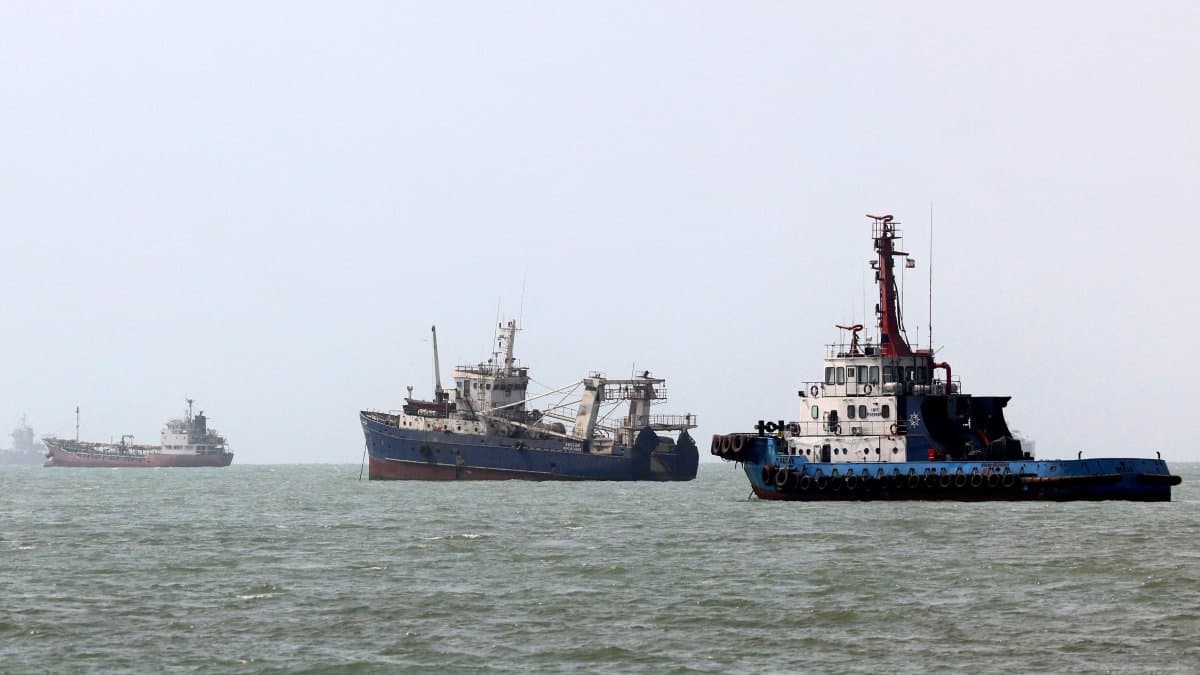
Since the start of the conflict, Iran has kept the Strait of Hormuz blocked; prior to the war, 20% of global oil and liquefied natural gas exports passed through this strait, with commercial activity reduced to a minimum except in rare cases. In this context, President Trump proposed on Wednesday renaming the strait the "Trump Strait," though he later implied he was not serious.
🛠 Do you think there is an error in this article?
Recommendations

LATEST