ANALYSIS
Oil prices soar above $90 per barrel as prospects for a Middle East agreement fade
The agreement between Oman and Iran on the management of the Strait of Hormuz and the threat of new attacks, coupled with the U.S. strategy to further cripple Iran's battered economy, are once again causing anxiety among investors.
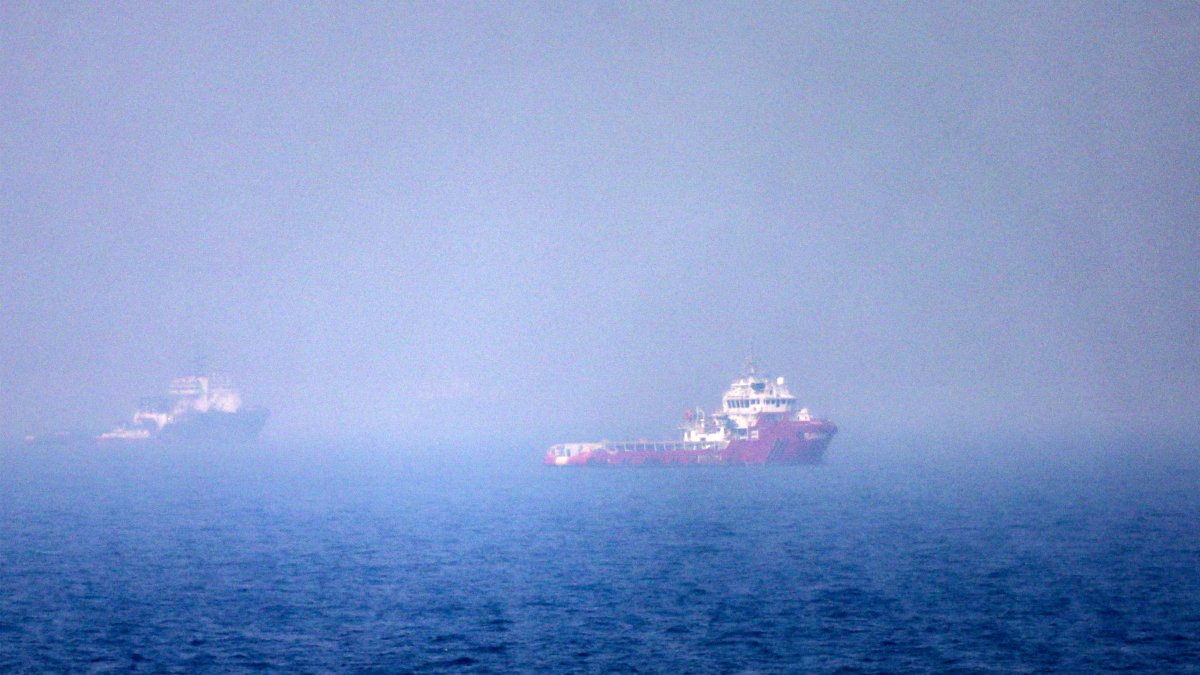
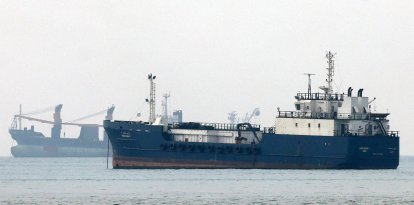
Ships sailing near the Strait of Hormuz

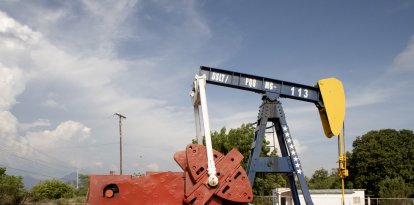
The Middle East is once again hitting markets, and people's wallets, around the world. The region's geopolitical situation has once again caused oil prices to exceed $90 per barrel, putting the global economy under pressure once more.
The price of Brent crude oil from the North Sea, the global benchmark, reached $90.02 per barrel, representing a rise of more than 2.5% compared to Monday, while the main U.S. contract, West Texas Intermediate, surged 2.7% to $84.32 per barrel.
This comes as, on the one hand, based on what is known about the agreement between Iran and Omar regarding the new management of ship traffic through the Strait of Hormuz, through which 20% of the oil flow passed before the war, represents a major setback for Washington, and it remains to be seen how Trump will respond.
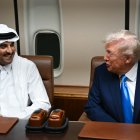
Provocations from Tehran
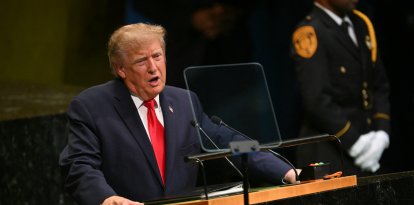
The possibility of new attacks remains on the table, as Iran continues to defy Trump and refuses to accept, nor does it appear likely to do so in the short term, the key demands of the Republican president.
Moreover, in recent days, Tehran has begun demanding compensation for the costs of the war from Washington, a move that provoked anger and a forceful response from Donald Trump:
Iran "is demanding compensation for the damages caused to it during the military conflict of the past five months," Trump wrote, "even though this has never been mentioned in any of our negotiations or meetings."
"Likewise, I, too, demand compensation from Iran for all the people they have killed and wounded," added the U.S. president, referring in particular to the attack on the U.S. warship USS Cole in Yemen in 2000.
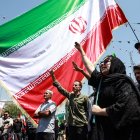
Economic stranglehold as the Iranian rial hits "junk" levels
Furthermore, Trump and his inner circle once again insisted on defeating the Iranian regime through economic strangulation. If Tehran's situation was already complicated before the conflict, it is now extremely precarious.
Trump himself shared a chart on his account showing the evolution of the value of the Iranian currency, which currently stands at 53 cents per million rials, a figure he describes as "junk."
A repeated pattern: From enthusiasm to disappointment at full speed
This translates into higher oil prices, considering that "this turn of events comes as the Houthis attempt to block maritime traffic in the Red Sea and global oil reserves continue to decline," the analyst emphasizes.
"The pattern repeats itself endlessly: initial enthusiasm when negotiations seem promising, and then that optimism evaporates just as quickly" when no progress is made, ING analysts told AFP.
Investors react so strongly to political statements because they expect "a surge in crude oil supply if the Strait of Hormuz were to reopen," which could cause prices to plummet, explains John Evans, an analyst at PVM.
LATEST