Case against Nicolás Maduro enters decisive phase: Trial to begin June 1, 2027
In addition to the federal criminal case, the former dictator faces a civil lawsuit filed in the United States by the families of five young Venezuelans murdered between 2017 and 2020.
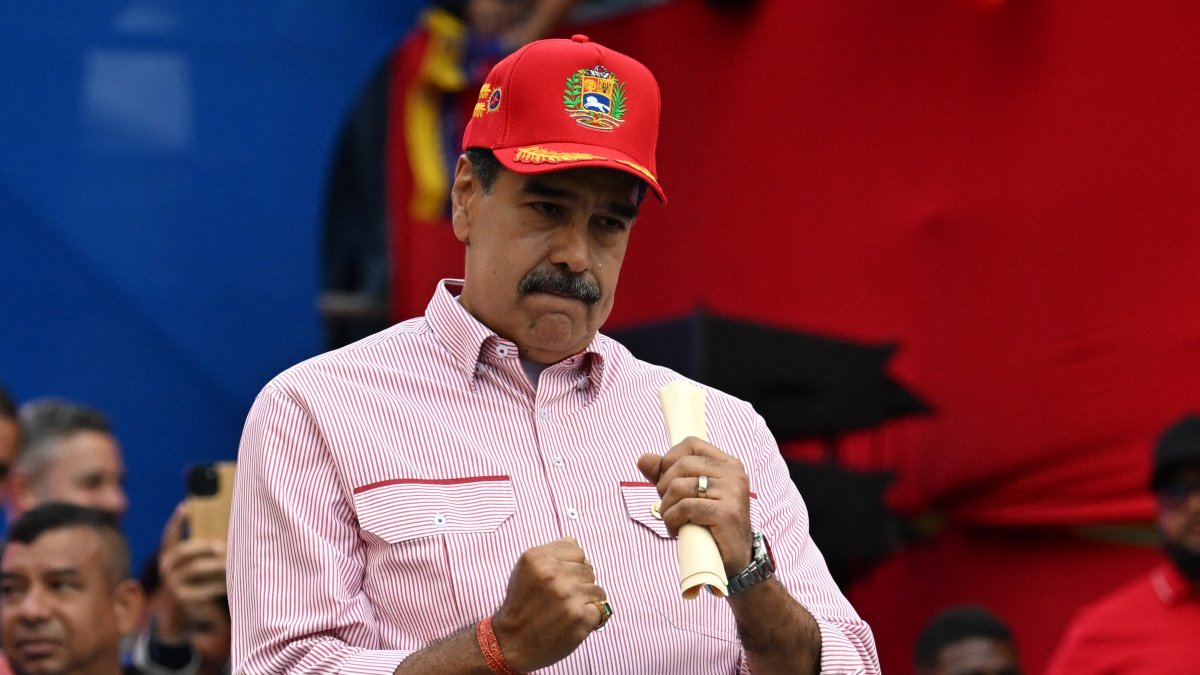
Nicolás Maduro. File photo

The court has set June 1, 2027, as the start date for the trial against the former Venezuelan dictator Nicolás Maduro and his wife, Cilia Flores, who have been detained in a federal prison in Brooklyn since January after being captured by U.S. forces during a military operation in Caracas.
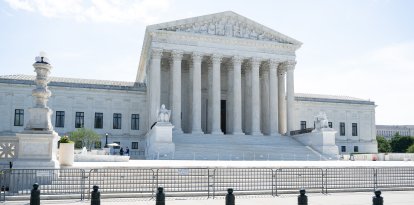
The date was set on Wednesday by Federal Judge Alvin K. Hellerstein of the Southern District of New York during a hearing lasting approximately twenty minutes held in Manhattan. The trial schedule was set in response to a joint motion filed by the prosecution and the defense attorneys.
Maduro, 63, and Flores pleaded not guilty to all charges against them.
Four federal charges
The indictment filed by the Department of Justice charges the pair with four federal crimes related to drug trafficking and weapons:
- Conspiracy to commit narcoterrorism
- Conspiracy to import cocaine into the United States
- Possession of machine guns and explosive devices
- Conspiracy to possess machine guns and explosive devices
Since his initial court appearance, Maduro has insisted on describing himself as a "prisoner of war," rejecting the legitimacy of the charges brought against him.
Updates
Unresolved issues with the dictatorship: Maduro ordered to pay $314 million for torture of three Americans
Andrés Ignacio Henríquez
The capture that changed the course of Venezuela
Maduro and Flores were captured on Jan. 3, 2026, when U.S. commandos carried out a special operation in Caracas that combined ground, air and naval forces to remove them from the country.
The operation brought an end to more than a decade of Maduro's regime, as he had remained in power since 2013 following the death of Hugo Chávez.
Following their capture, domestic political control passed to then-Vice President Delcy Rodríguez, considered the leading remaining figure of the regime, while Washington assumed de facto control over Venezuelan oil exports through an international oversight system that channels revenues into special accounts administered under U.S. supervision.
The battle for his defense
One of the main procedural disputes arose over the funding of the legal defense.
U.S. sanctions initially prevented Maduro and Flores from using Venezuelan funds to hire lawyers in the United States.
However, in April, Washington authorized both of them to fund their legal representation, after the defense argued that the ban violated the constitutional right to choose counsel.
The decision allowed the process to move forward and paved the way for the final scheduling of the trial.
He also faces a lawsuit over extrajudicial executions
The complaint alleges that the then-president ordered a systematic policy of extrajudicial killings carried out by the Special Action Forces (FAES), a police unit widely criticized by international organizations.
According to the lawsuit, the five cases are part of a much broader pattern of killings attributed to that unit, which has been named for years by human rights organizations and the United Nations in alleged arbitrary executions and other abuses.
FAES was finally disbanded in 2021 following mounting international pressure.
With the date now set by the court, the proceedings against Maduro and Flores enter a new phase that could become one of the most significant international trials involving a former Latin American head of state accused of narcoterrorism and serious human rights violations.
LATEST