Judge limits BBC's strategy in Trump's lawsuit over a documentary about Jan. 6
The judge ruled that the trial must focus on the editing of the documentary in question and not on reopening the debate over the Capitol riot. The BBC, however, will be able to request certain financial information from the president as part of the discovery process.
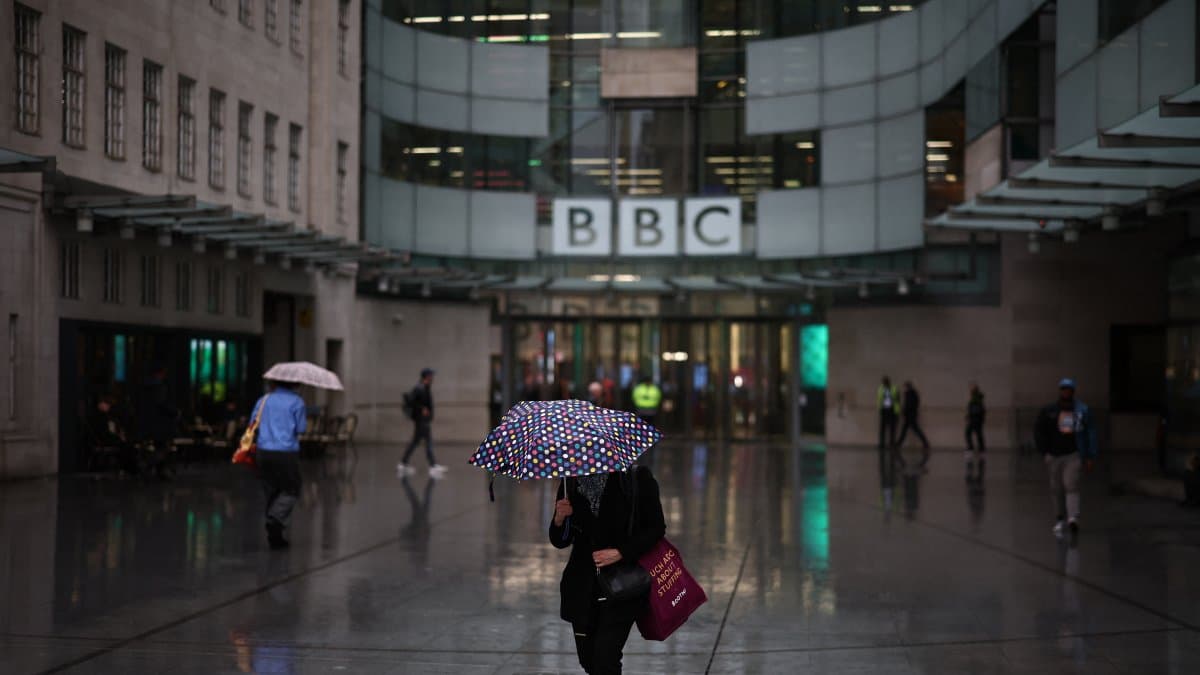

The legal battle between President Donald Trump and the BBC took a new turn this week after a federal judge narrowed the scope of the $10 billion defamation lawsuit filed by the president against the British broadcaster.
At a hearing held in Miami, Magistrate Judge Enjoliqué Lett ruled that the case must focus exclusively on the alleged misleading editing of a documentary aired by the BBC in 2024 and may not become a new trial regarding the events of Jan. 6, 2021, at the U.S. Capitol.
The origin of the dispute
The lawsuit filed by Trump alleges that the documentary "Trump: A Second Chance?," produced by the program Panorama, manipulated footage and statements made during his speech on Jan. 6, 2021.
According to the complaint, the documentary spliced together segments of a speech separated by nearly an hour to create the impression that the then-former president immediately called on his supporters to "fight with all their might" before the riots at the Capitol began. Critics of the documentary argue that the editing omitted the moment when Trump asked his supporters to protest "peacefully."
The judge sets limits
During the hearing, the judge made it clear that the BBC may investigate how the public interpreted Trump's words, but may not use the trial to re-examine the president's responsibility for the events of Jan. 6.
"All the impressions generated by President Trump's statements on Jan. 6 are at issue. This is not about re-debating in depth what happened on Jan. 6," the judge noted, according to Fox News.
The decision represents a partial victory for Trump's legal team, which had accused the BBC of attempting to artificially broaden the scope of the litigation through an "indiscriminate search for information" related to the Capitol riot.
Sources close to the president's defense team argued that the ruling eliminates the British broadcaster's main strategy for diverting attention from the specific content of the documentary in question.
The arguments of both sides
Trump's attorneys maintain that the case is strictly a defamation lawsuit based on the editing of a mere nine-second segment of a speech that lasted more than 50 minutes.
Attorney Alejandro Brito stated before the court that "what matters is what he said in relation to what was broadcast as him saying," arguing that the dispute should be limited to comparing the president's actual words with the montage aired by the BBC.
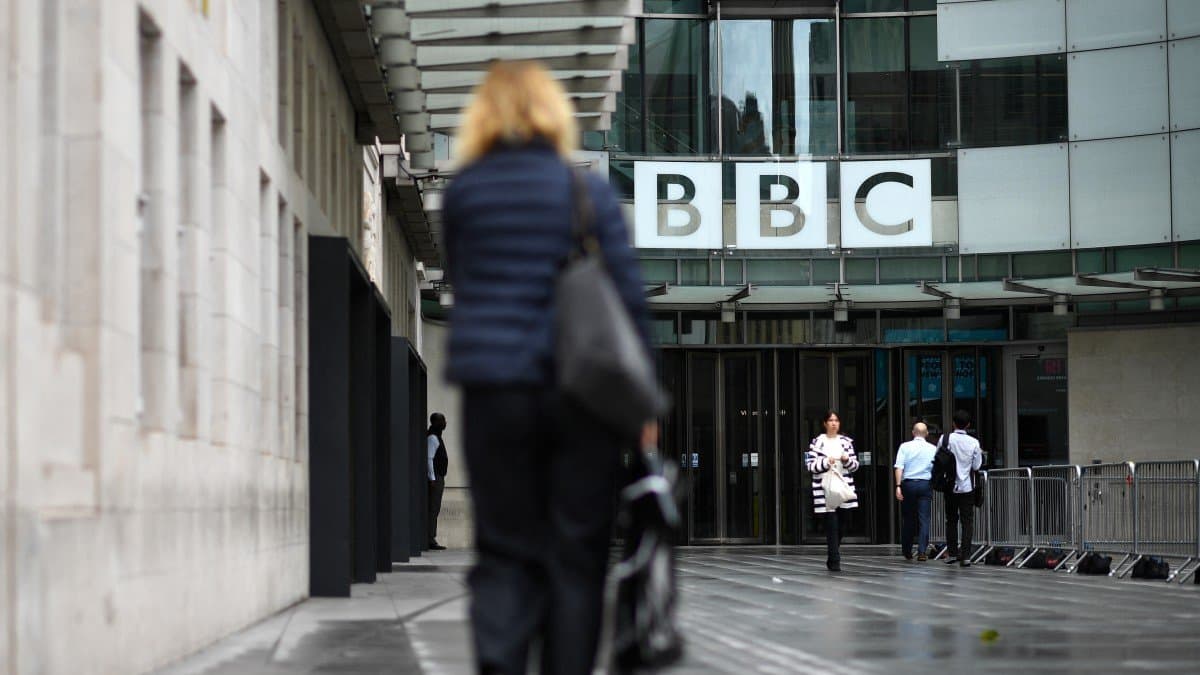
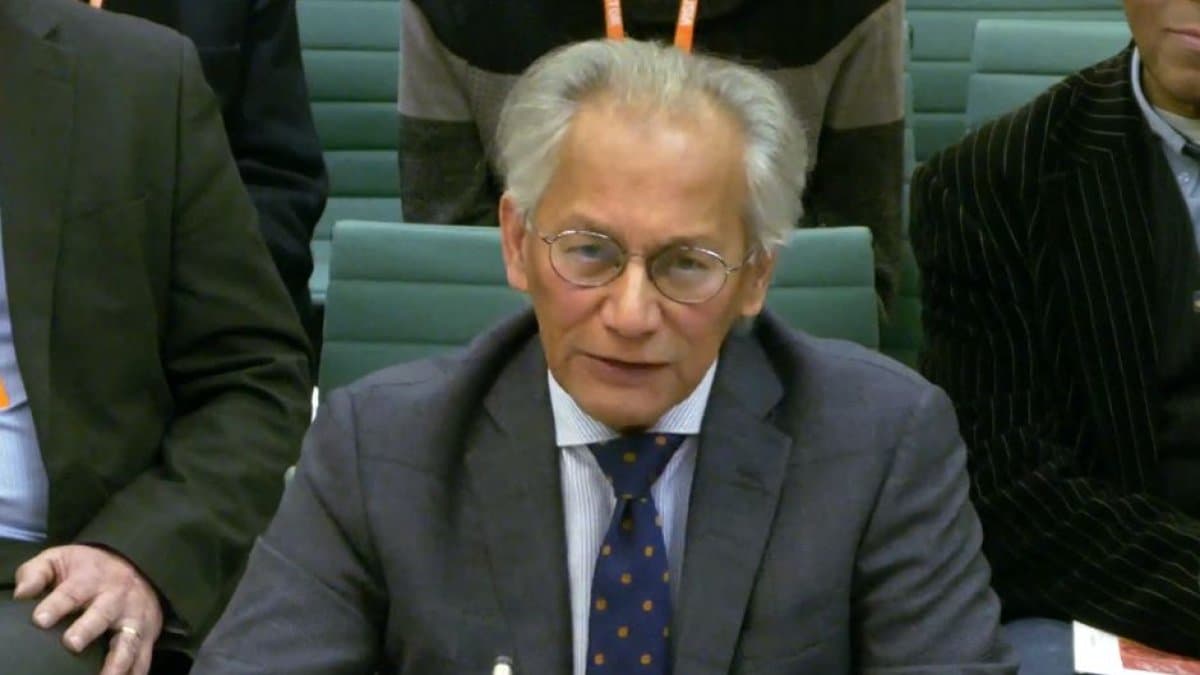
The defense also cited an apology issued last year by BBC President Samir Shah, in which he acknowledged that the documentary had created "the mistaken impression" that Trump made a direct call for violence.
For its part, the BBC maintains that any editing errors were unintentional and argues that the intent of Trump's speech remains a legitimate aspect of his defense. Its lawyers also argue that the president denies being responsible for the riots, so that context is relevant to the legal proceedings.
The controversy over the editing
According to the court filing, the BBC presented two statements made by Trump consecutively, 54 minutes apart, giving the impression that both were part of the same call to action prior to the Capitol riot.
In reality, the then-president first encouraged his supporters to march on the Capitol to express their support for Republican lawmakers, and, nearly an hour later, he made the statement in which he called on them to "fight with all their might" for the integrity of the election.
The controversy subsequently led to the resignation of senior BBC executives, including Executive Director Deborah Turness and Director General Tim Davie, as reported by Fox News.
The dispute over financial records
Although the judge's decision was interpreted by Trump's inner circle as a procedural victory, the court also authorized the BBC to access certain financial information related to the president.
The judge ruled that, by alleging financial and reputational damages resulting from the broadcast of the documentary, Trump opened the door for the network to request financial documentation related to the trust that manages his companies.
However, people close to the president's legal team maintain that this authorization is much more limited than some media outlets have reported and assert that the court has yet to precisely define which documents will ultimately be turned over during the discovery process.
Meanwhile, the BBC continues to seek dismissal of the lawsuit, arguing that Florida courts lack jurisdiction over a broadcast produced by a British public corporation from the United Kingdom.
🛠 Do you think there is an error in this article?
Recommendations


LATEST