Venezuelan oil funds under congressional scrutiny: Lawmakers want to know the fate of the $13 billion collected by the US
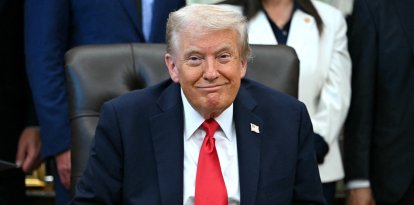
The figure of $13 billion was revealed this week by President Donald Trump, who was asked aboard Air Force One about a Financial Times report estimating the amount his administration had collected from the sale of Venezuelan crude oil.
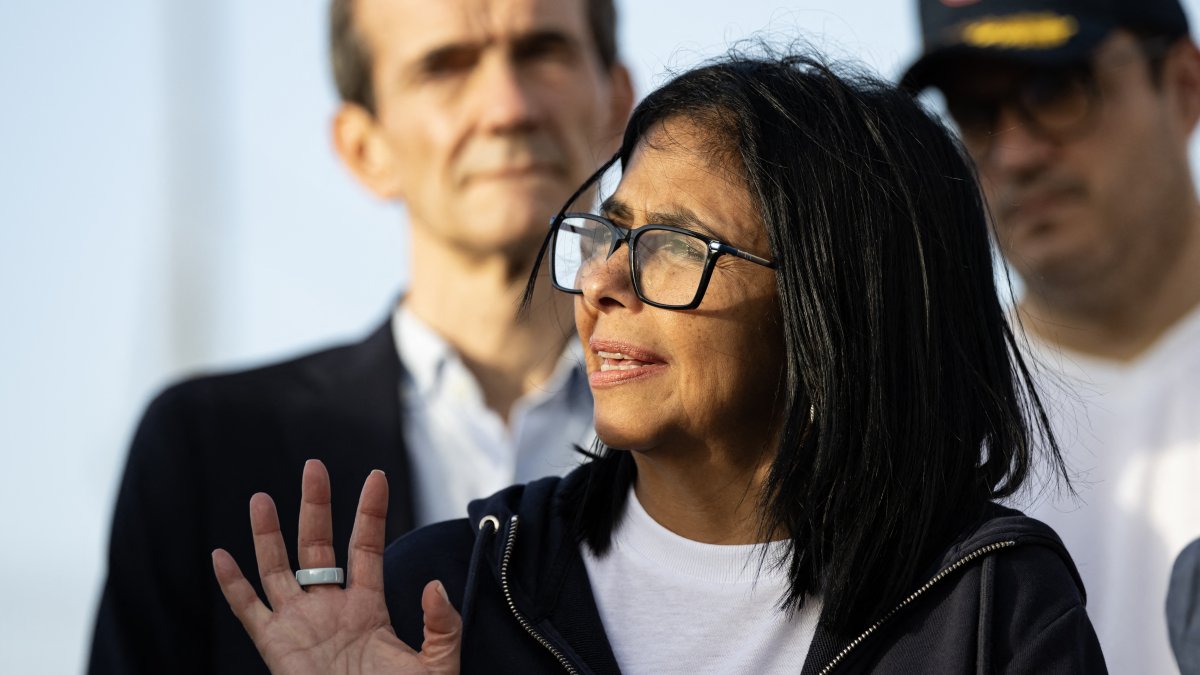
Delcy Rodríguez in La Guaira, in a file photo

Congress is investigating the fate of the more than $13 billion that Washington has collected from the sale of Venezuelan oil since the capture of former dictator Nicolás Maduro, in an attempt to determine how much of that money has reached the interim regime led by Delcy Rodríguez and through what mechanisms.
The Spanish newspaper ABC reported on its front page on Thursday that the investigation aims to determine how much money has been transferred to the Venezuelan interim regime and through which channels. The report is attributed to David Alandate, ABC's Washington correspondent, who frequently covers Venezuela.
Furthermore, according to journalist Jorge Agobian, who cited a spokesperson for the U.S. Government Accountability Office (GAO), the investigation was requested in April by Senator Tim Kaine, Representative Joaquín Castro, Representative Sean Casten, and Senator Chris Van Hollen, all of whom are Democratic lawmakers. Agobian reported that the investigation "began recently and is already underway."
The figure of $13 billion was cited this week by President Donald Trump, who was asked aboard Air Force One about a Financial Times report estimating the revenue his administration had collected from the sale of Venezuelan crude oil. "$13 billion from Venezuela? I think even more than that. We've paid for that war many times over," the president replied, adding that the money is used to keep the country running: "We're taking in a lot of money — billions and billions of dollars from Venezuela."

World
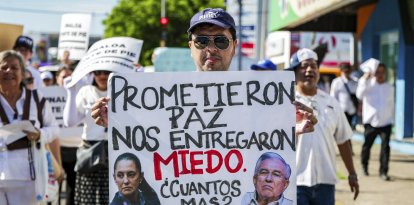
Venezuela: Citizens protest to demand a political transition and free elections
Williams Perdomo
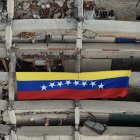
Washington took control of Venezuelan oil exports following Maduro's capture in a military operation on January 3. The former dictator is now in a New York prison, awaiting his trial for drug trafficking alongside his wife, Cilia Flores. Senator Marco Rubio told Congress in June that KPMG audits the sales and that the funds are deposited into a Citibank account: "It's an ongoing audit, so it's not a once-a-year audit, it's on every expenditure, every single disbursement is audited by KPMG." Even so, transparency regarding the final use of the funds remains limited, according to critics.
Department of State Michael Kozak stated in April that some $3 billion had already been disbursed from the Treasury account, earmarked for the salaries of regime officials and supplies for the oil industry, among other uses approved by Washington under the executive order Trump signed on January 9.
The congressional investigation comes amid an oil market situation that has become more complicated for the interim Chavista regime. Venezuelan crude oil production rose to 1.2 million barrels per day in June—the highest level in seven years—driven by the easing of sanctions and the reorientation of exports toward the U.S. Gulf Coast, which already receives nearly 600,000 barrels per day from the country. But that uptick is not reflected in domestic refining capacity: the Paraguaná Refining Center, in Falcón state, operates well below its capacity of nearly one million barrels per day, with deteriorated equipment and years of underinvestment that, according to analysts cited by Reuters, would require at least $20 billion to reverse.
Added to this picture is the impact of the earthquakes that struck the country on June 24, leaving more than 5,000 dead (official figures) and whose damage, although they did not directly affect the oil sector, did divert attention and resources that could have been used to repair refineries. The World Bank estimated the cost of reconstruction at about $19.7 billion. Analysts consulted by Columbia University's Center on Global Energy Policy warned that, without a democratic transition featuring free elections, it will be difficult to convince investors that the sector's opening does not depend solely on Washington's pressure on the interim regime through its control of oil revenues.
LATEST