The official death toll from Ebola in the DRC has surpassed 400
According to official figures, the country has recorded 438 deaths and 1,406 cases since the outbreak was declared on May 15.
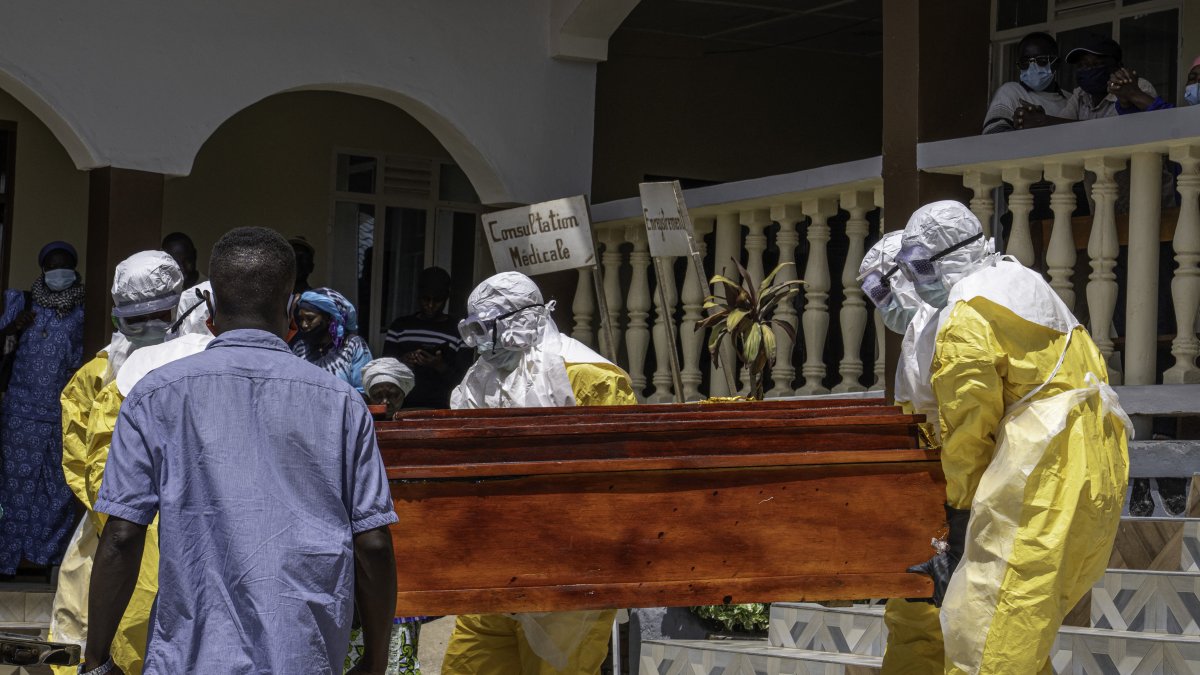
The coffin of an Ebola victim is loaded onto a truck in the DRC (File photo)

The Ebola epidemic in the Democratic Republic of the Congo (DRC) has already claimed more than 400 lives and continues to spread, after a new case was detected nearly 370 miles from the main epicenter of the outbreak, according to the latest report from the National Institute of Public Health (INSP), published Thursday.
According to the official tally cited by AFP, the country has recorded 438 deaths and 1,406 cases since the epidemic was declared on May 15. The outbreak is caused by the Bundibugyo strain, for which there is currently no vaccine or specific treatment.
The Ituri Province remains the epicenter of the health crisis, accounting for 91.2% of infections and 83.6% of deaths. The region, located on the border with Uganda and South Sudan, remains the hardest hit, although the virus has also spread to the neighboring provinces of North Kivu and South Kivu. No new cases have been confirmed in the latter since May 26.

Health authorities’ concerns grew after a case was confirmed in Kisangani, the capital of Tshopo Province and a city of about 1.5 million people, located nearly 370 miles from the main outbreak. The INSP reported that a test conducted on the body of a 24-year-old woman, who was six months pregnant, came back positive for Ebola.
According to authorities, the body was smuggled by motorcycle from the Nia Nia health zone in Ituri to Kisangani. The bodies of people who have died from Ebola pose a high risk of transmission and the disease often spreads during funeral rituals.
Following the confirmation of new cases in two other provinces, health teams have identified several close contacts, some of whom have already been transferred to Ituri for monitoring.
How is Ebola transmitted?
The most severe outbreak recorded to date in the DRC occurred between 2018 and 2020, when the virus caused nearly 2,300 deaths among some 3,500 confirmed cases.
LATEST