The Iranian regime defies Trump following his threat to declare the Strait of Hormuz US territory: It 'will remain Iranian'
The Strait of Hormuz is once again at the center of tensions between Washington and Tehran. Following Trump's remarks at a rally, Iran responded forcefully and reaffirmed that it will control the opening and closing of one of the world's most critical energy routes.
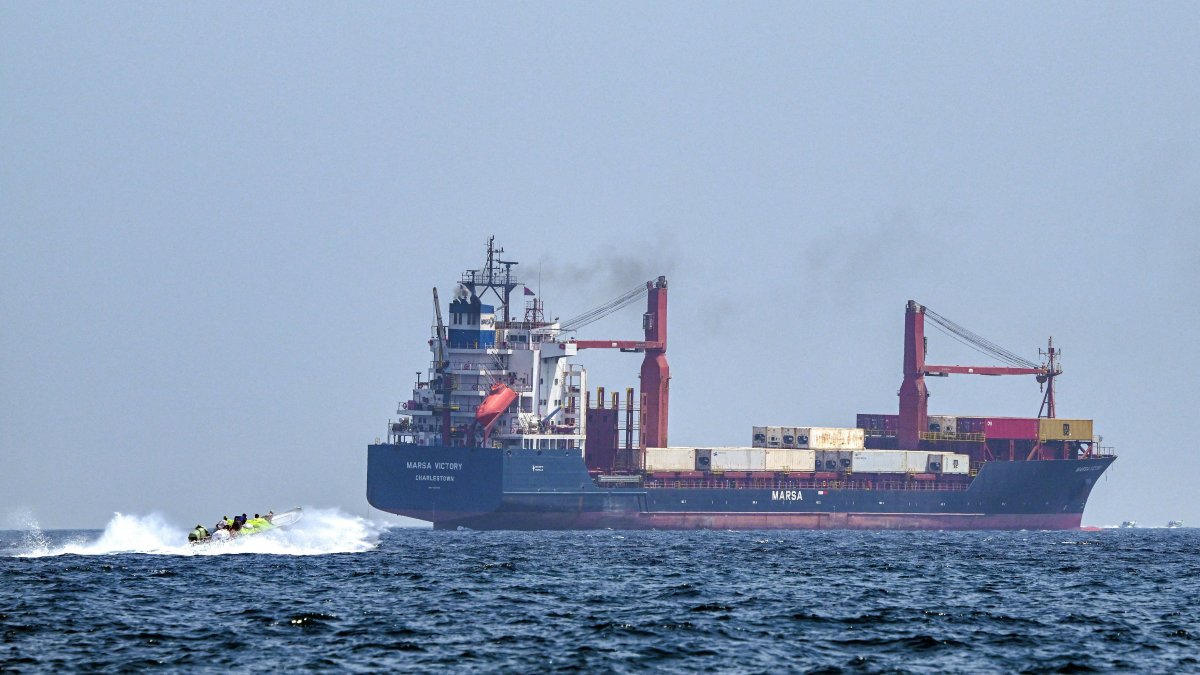
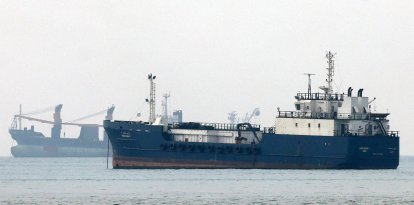
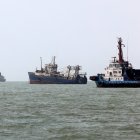
An oil tanker sails through the waters of the Strait of Hormuz

The Iranian regime responded Saturday to statements by President Donald Trump, who said he would declare the Strait of Hormuz as U.S. territory. Tehran, which has kept one of the world's most critical energy routes blocked since February, insisted that only they will decide when it opens and when it closes.
Iranian Deputy Foreign Minister Kazem Gharibabadi wrote on X: "The Strait of Hormuz has been Iranian, is Iranian, and will remain Iranian. This strait will only be closed and opened under Iran's command."
Politics
Trump steps up pressure on Iran and vows to declare Strait of Hormuz US territory
Luis Francisco Orozco
Trump steps up the pressure
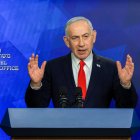
At a rally in the state of New York, the president stated Friday that, once Iran is defeated, "pretty soon I'll be declaring the Hormuz Strait a territory of the United States." He added: "It's true."
Although a White House official later tried to downplay the comment by claiming it was a joke, the underlying message was clear: The United States will not accept that a hostile regime control at will a route through which nearly 20% of the world's oil and liquefied natural gas.
Tehran's energy blackmail
Since the start of the war, Iran has used the Strait of Hormuz as a lever for pressure. The move has sent energy prices soaring and created a direct political problem for Washington ahead of the November midterms.
Last week, senior Iranian official Mohammad Bagher Zolghadr made any reopening contingent on an end to the "war and aggression" against Iran and its proxies in Lebanon, Palestine, Yemen and Iraq, the lifting of sanctions, the release of frozen assets and compensation for war damages. In practice, Tehran is demanding that the U.S. and its allies accept its conditions.
Washington's stance
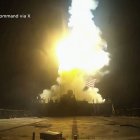
The United States has responded with a blockade of Iranian ports. "We have the blockade. No ships get through unless we want them to," Trump told his supporters Friday.
Vice President JD Vance was even clearer this week: the United States' number one priority in this conflict is to keep energy prices low for Americans. Preventing Iran from obtaining a nuclear weapon comes in second place.
Iran doesn't just want to continue controlling the strait. It wants to charge tolls, a power it never had before the war and that the United States is unwilling to grant.
LATEST