United Kingdom: Jason Arday, Cambridge's 'poster boy' for diversity, found dead after resigning over plagiarism allegations
In a letter published online, he stated that resigning was "the only way" to put an end to a "difficult period," though he denied that his decision should be interpreted as an admission of the criticism he had received.
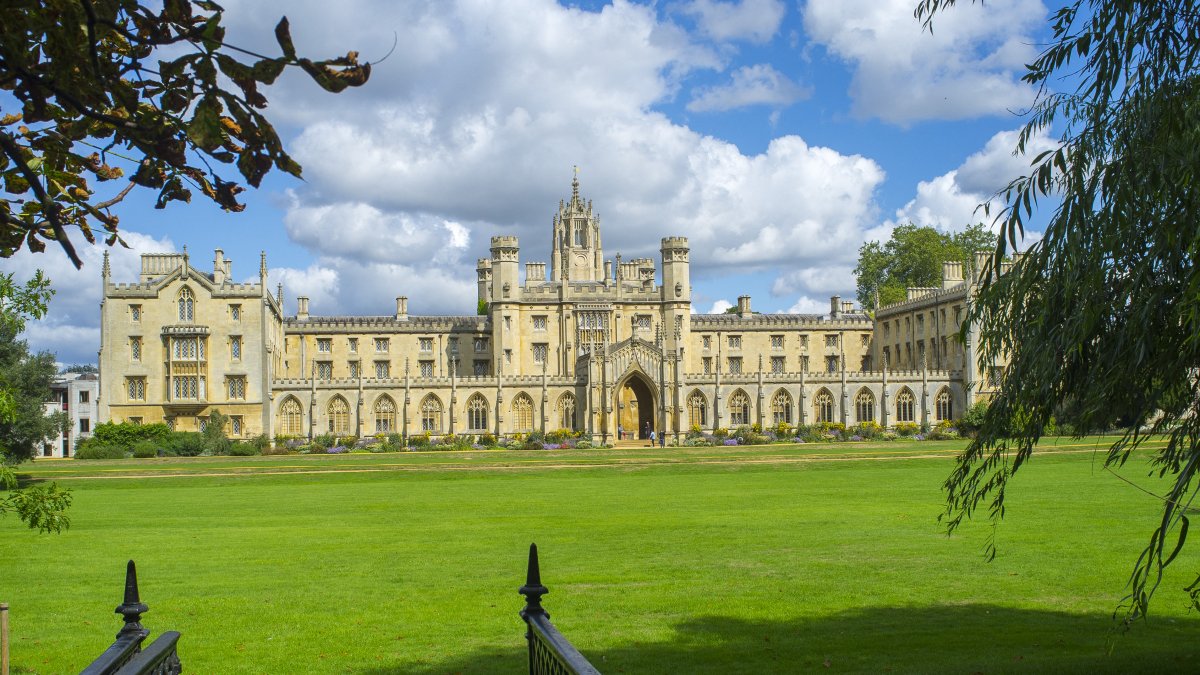
University of Cambridge

British scholar Jason Arday, 41, was found dead Friday in a home in south London, AFP reported. Arday had resigned earlier this month from his position at the University of Cambridge after facing serious allegations of academic plagiarism that called into question both his career and the role of diversity policies at elite universities.
The Metropolitan Police confirmed that officers responded Friday afternoon to a residence in Battersea after receiving a report that a man was found unconscious. "Sadly, a 41-year-old man was pronounced dead at the scene," the statement said. The death is considered unexpected and, at this time, is not being treated as suspicious.
Resignation following plagiarism allegations
In 2023, Arday became the youngest Black professor at Cambridge, an appointment that was widely celebrated by left-wing circles as a success of diversity, equity and inclusion (DEI) policies. However, in early August, he announced his resignation from both the professorship and his research position at Jesus College, shortly after the institution launched a formal investigation into the allegations against him.
In a letter published online, he stated that resigning was "the only way" to put an end to a "difficult period," though he rejected the notion that his decision should be interpreted as an admission of the criticism he had received.
Allegations of plagiarism and questions about his track record
The scandal erupted when several academics and media outlets pointed out that significant sections of his doctoral dissertation had been copied from other works. American scholar Nathan Cofnas was one of the first to point out the irregularities in Arday's work. In 2024, Emmanuel College in Cambridge revoked his affiliation as a researcher after he published an article whose ideas, according to the college, contradicted its diversity policies.
Newspapers such as The Times and The Telegraph published detailed investigations not only into Arday's academic work but also into claims about his personal life, including having run 30 marathons in 35 days and raised millions for charity, claims that were later called into question.
In an interview with The Times given shortly before his death, Arday acknowledged having made academic "mistakes," but said he was being wrongly "portrayed to be a liar and a fantasist and an academic fraud".
Cambridge will review its hiring processes following the Arday case
In an update published a few days ago, the university noted that, "regardless" of the scholar's resignation, it will continue to investigate "the circumstances around (his) appointment and tenure."
"The findings will feed into a review of the process for the appointment of senior academic roles," the institution added.
Arday had recounted in his memoir, "Great and Unfortunate Things," that he was diagnosed with autism and a general developmental delay in childhood, that he did not speak until age 11, and that he did not learn to read and write until age 18.
LATEST