Checkmate for Petro’s narrative: The judicial recount matches the official results by 99.997% and seals Abelardo de la Espriella’s victory in Colombia
The mathematical precision of the South American nation's electoral system undermines Gustavo Petro's position.
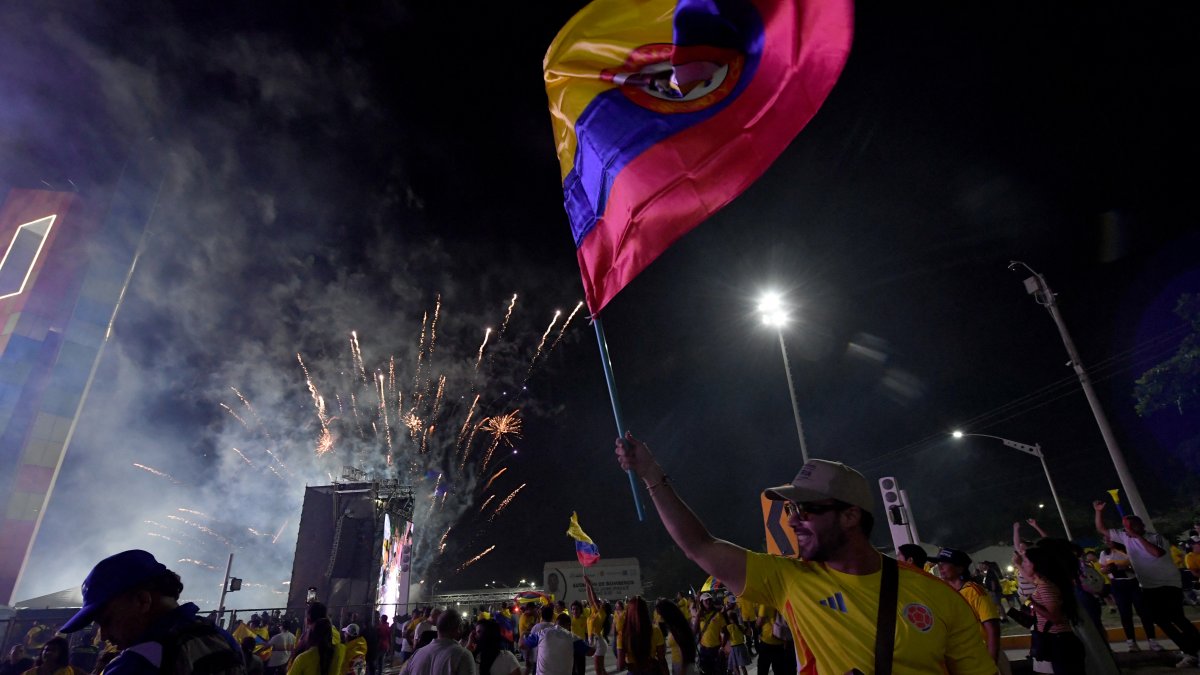
Celebrations in Barranquilla following Abelardo de la Espriella’s victory on Sunday, June 21.

Colombia’s National Civil Registry issued a new press release on June 23, 2026, in which it officially announced the completion of the first-level vote count of the presidential election results.
The electoral authority reported that the match between the preliminary count and the legal review of the votes reached a definitive 99.997%.
This outcome represents a major setback for the government of Gustavo Petro, which sought to delay recognition of the presidential victory of lawyer and conservative outsider Abelardo de la Espriella.
The mathematical precision of the South American nation’s electoral system undermines the stance taken by the leftist and former guerrilla leader.
Petro had hinted at rejecting the preliminary results that declared De la Espriella —popularly known as “El Tigre”—over the ruling party’s candidate Iván Cepeda by a margin of more than 246,000 votes.
The backing of 9,000 judges derails mass challenges
Faced with the radical left’s defeat, Pacto Histórico Senator Iván Cepeda had announced a legal offensive by challenging some 33,000 polling stations across the country.
However, the figures presented by the Registrar’s Office show that the rigorous consolidation process led by nearly 9,000 judges and notaries reduced the number of discrepancies to a minimum.
The operation, organized through 2,992 technical-legal vote-counting commissions, meticulously reviewed the official records and forms.
The government agency emphasized that this level of operational accuracy constitutes a “successful and unprecedented milestone in Colombia’s history,” shielding the process from ideological pressures that sought to undermine the legitimacy of the opposition’s victory.
International alliances and Washington’s watchful eye
The institutional ratification of the results consolidates the support that President-elect Abelardo de la Espriella had been garnering both within and outside Colombia.
Former President Álvaro Uribe Vélez, a key figure in the runoff campaign, celebrated the robustness of the process in the face of what he described as an “illegal campaign by Gustavo Petro’s government” and the interference of criminal organizations in favor of the ruling party.
De la Espriella’s victory also redefines the hemisphere’s geostrategic relations. Prior to the election, President Donald Trump had expressed his “full and total support” for the conservative leader.
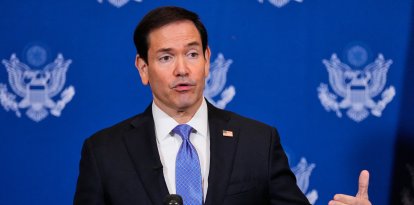
Once the irreversible trend was confirmed, Secretary of State Marco Rubio established direct communication with the president-elect to coordinate the future bilateral agenda on regional security, curbing illegal immigration, and strengthening economic ties under free-market principles.



LATEST