ANALYSIS
More than 150 hours over Cuba: US air operation raises tension to highest level in decades
Operations increased with missions that included the deliberate transmission of routes to increase political and strategic pressure.
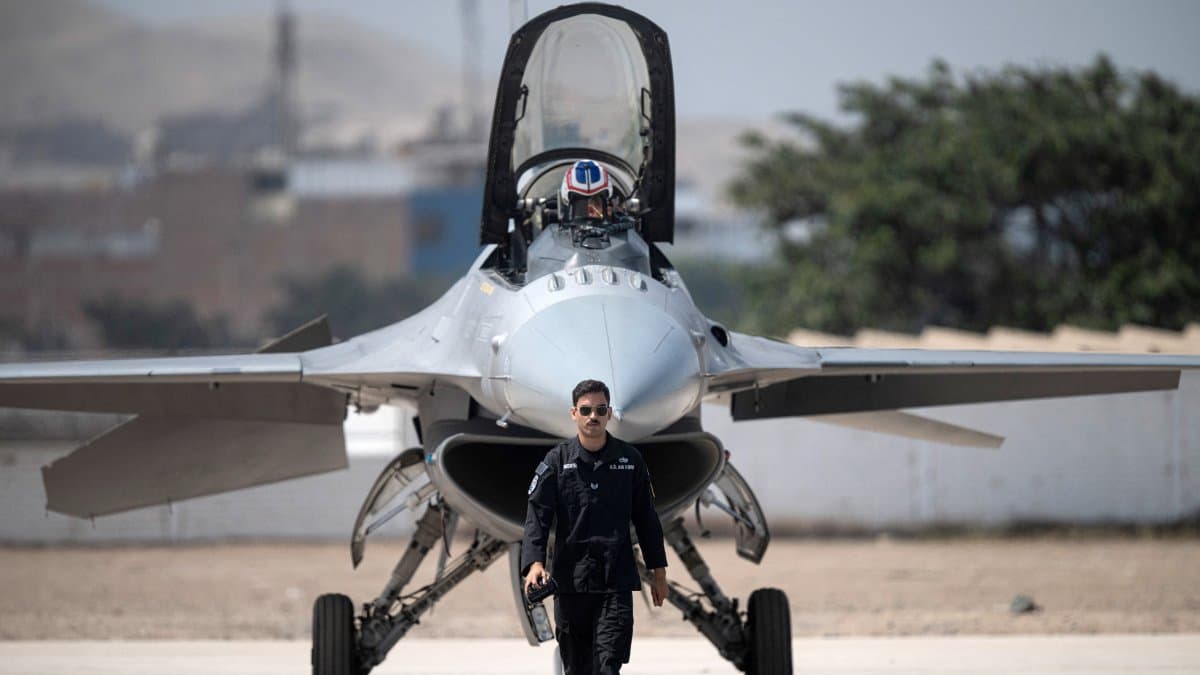

Washington has racked up more than 150 hours of aerial surveillance around Cuba since Feb. 4, 2026, in an operation that included more than 20 reconnaissance missions over international waters, some of them within 40 miles (64 kilometers) of the island.
According to reports published by The Wall Street Journal and subsequent verifications by BBC Verify, the deployment constitutes one of the most intense intelligence movements recorded in decades around Cuban territory.
Beyond the number of flights, analysts highlight an unusual element: several aircraft flew publicly visible routes through open tracking systems, something uncommon in sensitive operations. According to experts consulted by different international media, the decision seems to have been deliberate and allegedly aimed at sending a direct political message to Havana.
The highest level of tension in decades
The operation takes place in the midst of an accelerated deterioration of relations between Washington and Cuba. Several observers describe it as the stage of highest bilateral tension since the Missile Crisis.
The scenario is marked by new economic sanctions, energy restrictions and a political offensive driven by the Donald Trump administration. In this context, the surveillance flights acquire a dimension that goes beyond traditional military espionage and also become a tool for strategic pressure.

The flights were concentrated in front of Havana and Santiago de Cuba
The available tracking data show that most of the operations took place in front of Havana and Santiago de Cuba, two strategic points of the island territory.
According to records analyzed by The Wall Street Journal, most of the missions took off from a U.S. naval facility in Jacksonville, Florida.
The aircraft used include:
- Boeing P-8A Poseidon, used for maritime surveillance and anti-submarine warfare.
- RC-135V Rivet Joint, specializing in electronic collection.
- Northrop Grumman MQ-4C Triton, designed for long-range reconnaissance.
BBC Verify identified at least five P-8A aircraft and three MQ-4C drones operating near Cuba since May 11.
One of the most observed flights occurred in April, when an MQ-4C flew over areas near the southern Cuban coast at nearly 15,000 meters altitude, passing close to regions such as Pinar del Rio, Santiago de Cuba and Havana.
What information these missions seek
Military specialists explain that these platforms make it possible to collect an enormous amount of tactical and electronic information.
Retired lieutenant colonel Octavio Perez explained to Telemundo 51 that the systems can detect activation of radars, anti-aircraft system response, military communications, troop movements and defensive reaction patterns.
In his words, the objective is to observe how Cuban military structures react to the presence of U.S. aircraft. Repeated tours would also make it possible to identify changes in behavior or new defensive capabilities.
Public visibility seems to be part of the message
One of the most striking aspects of the operation is that several aircraft kept their transponders active, allowing civilian air-tracking platforms to display their trajectories in real time.
British expert Steve Wright told BBC Verify that this practice is "probably deliberate" and seeks to demonstrate surveillance capability.
The traditional logic of a military intelligence operation is precisely to avoid detection. For this reason, several specialists interpret the public exposure as an additional strategic element.
Former naval commander José Adán Gutiérrez summarized that idea by pointing out that when preparing for real military operations, forces normally act "in the dark." The visibility of these routes, according to his reading, would indicate the existence of a political message rather than an operation prior to a military action.
Preparations for an intervention?
Mark Cancian, a retired Marine Corps colonel and advisor to the Center for Strategic and International Studies, maintained that the aircraft do not fly over Cuban territory and that their trajectories are mainly aimed at detecting maritime movements and traffic coming from the south.
A U.S. military source quoted by The New York Times assured that these activities do not correspond to preparations for an invasion or operations similar to those used before previous military actions.
Instead, the objective would appear to focus on increasing diplomatic, economic and psychological pressure.
Sanctions, oil and energy crisis
The air deployment coincides with a tightening of measures against the Castro regime. Reports quoted by regional media indicate that since January 2026 Washington imposed more than 240 additional sanctions and blocked several oil shipments to the island since February.
The situation aggravated an already existing energy crisis and caused prolonged blackouts which, according to various reports, extended up to 30 hours in some areas. The crisis also led to internal protests and greater economic hardship.
The presence of the USS Nimitz raised tensions
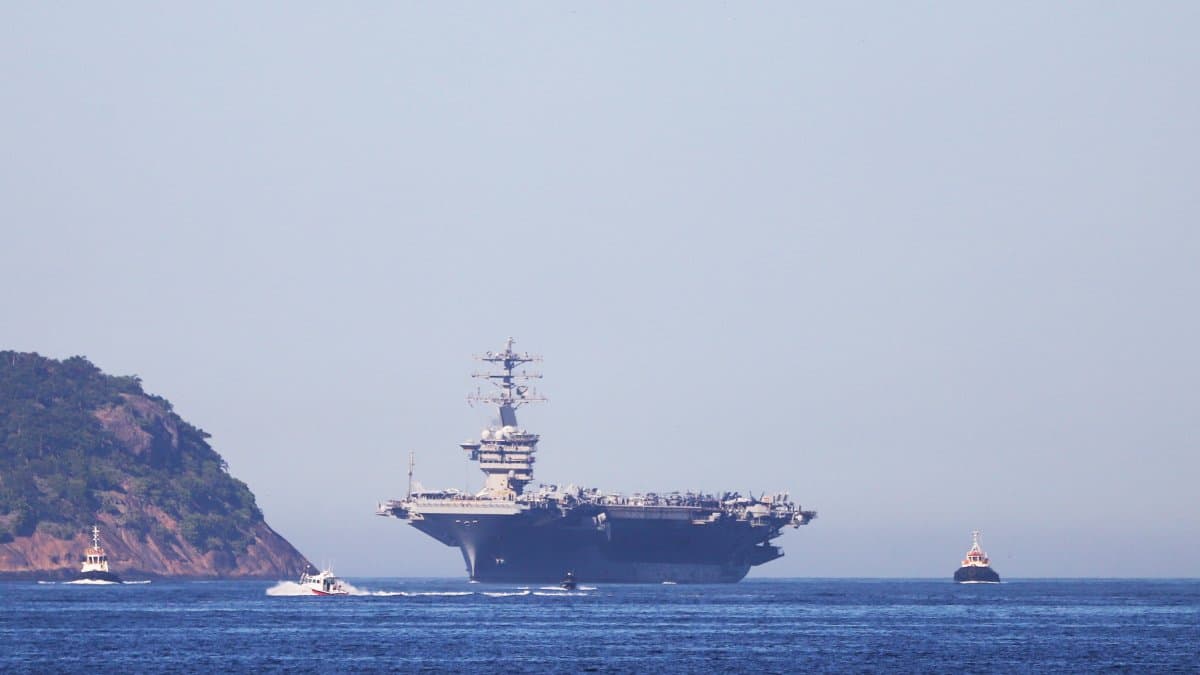
The escalation continued on May 20 with the deployment in the Caribbean of the USS Nimitz carrier strike group (CVN-68) as part of exercise Southern Seas 2026.
Various reports placed this move within the largest increase in military and strategic activity between the two countries in more than six decades.
A message that goes beyond surveillance
The main signal seems to be in their public exposure: visible flights, traceable routes and a constant demonstration of military presence near the island.
More than a secret operation, several experts believe that Washington is seeking to project capacity, surveillance and strategic pressure in one of the most tense moments in the U.S.-Cuba relationship in recent decades.
🛠 Do you think there is an error in this article?
Recommendations







LATEST