






EU reaches consensus to implement trade deal with US: What Trump demanded and why it matters
The pact set tariffs of 15% on most European products exported to the United States, while the European Union pledged to reduce or eliminate certain duties on U.S. imports.
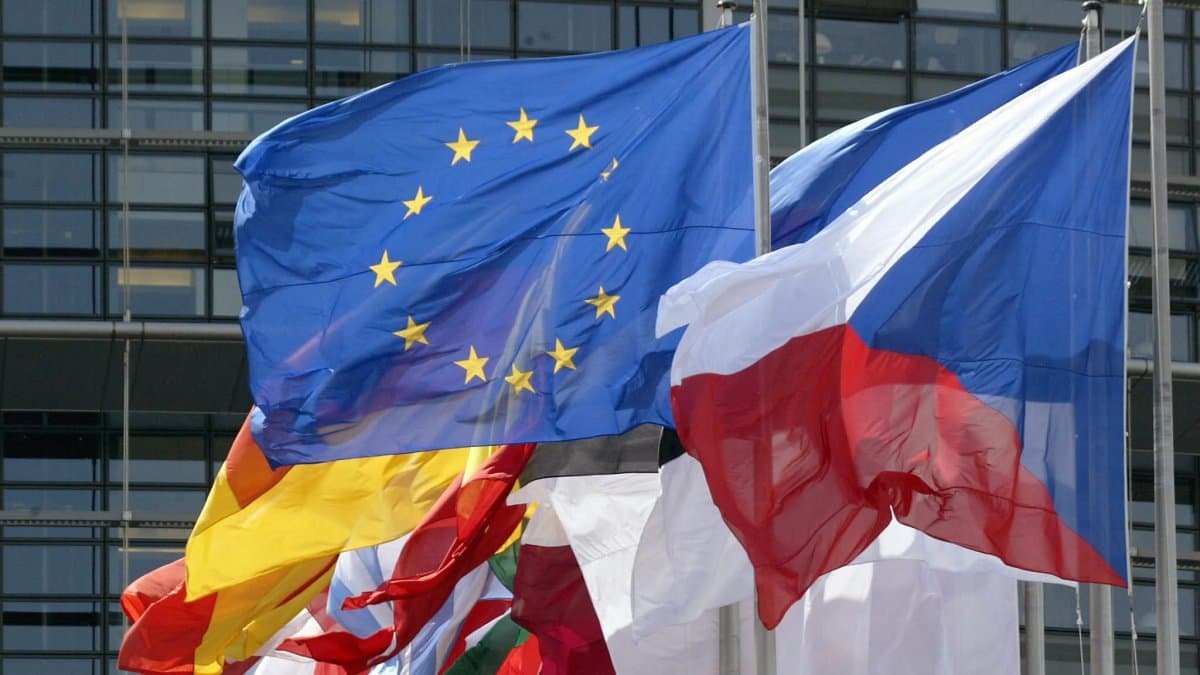

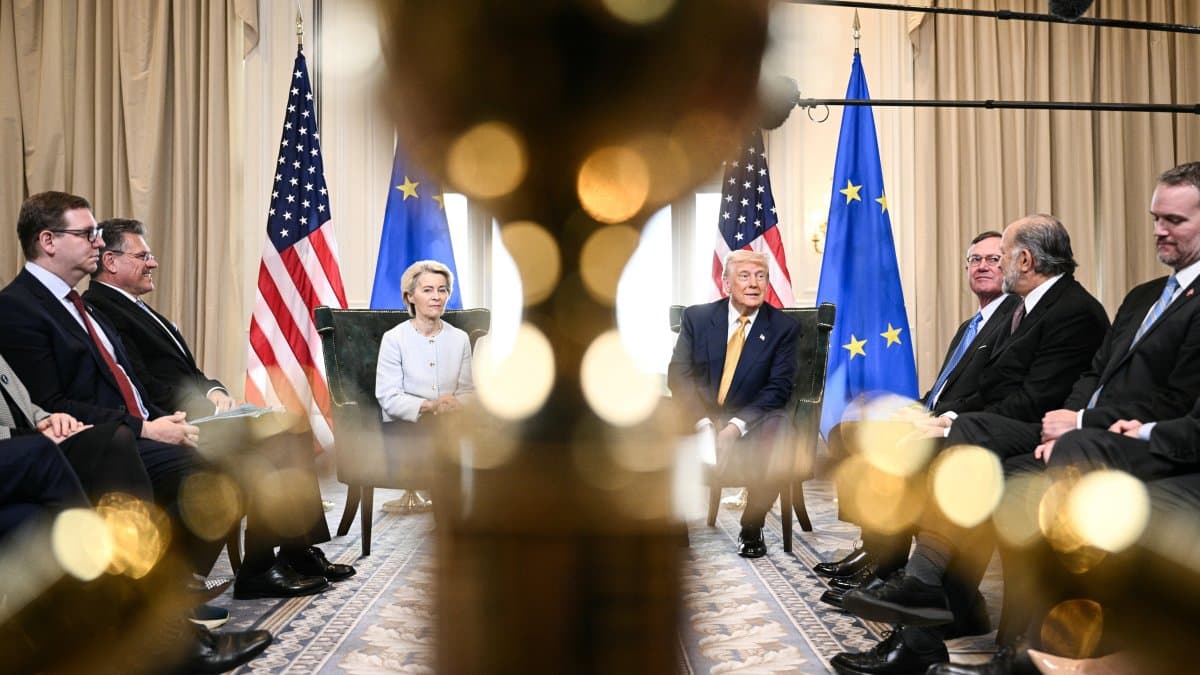
After months of tensions, internal disagreements and pressure from Washington, European Union countries on Wednesday reached an interim agreement to implement the trade pact signed last year with the United States, in a move that seeks to avoid a new escalation in the disputed transatlantic economic relations.
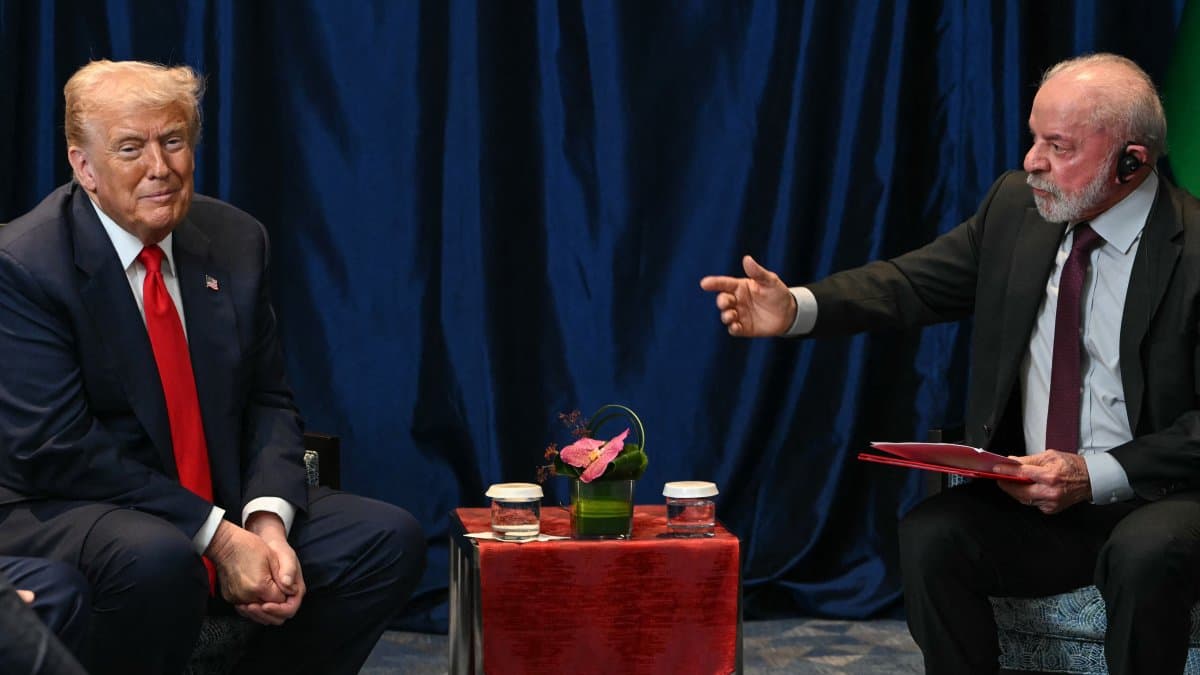
The decision comes after strong political pressure from President Donald Trump, who had warned that Europe must fully implement the agreement by next July 4 or face new trade measures.
The ultimatum symbolically coincided with the 250th anniversary of U.S. independence and raised tensions between the two economic powers.
The rotating presidency of the European Union, currently headed by Cyprus, confirmed in a statement quoted by AFP:
"The Council and Parliament reached an agreement to implement the tariff elements of the EU-U.S. Joint Declaration adopted on Aug. 21, 2025."
Officials clarified, however, that this is still a consensus of a provisional nature.
What the agreement between Europe and the United States provides
The origin of the tensions dates back to July last year, when the European bloc and Washington agreed on a trade scheme aimed at reducing frictions and stabilizing bilateral exchange.
The pact set tariffs of 15% on most European products exported to the United States, while the European Union pledged to reduce or eliminate certain duties on U.S. imports.
But, according to the Trump administration, Brussels moved too slowly in implementing its part of the agreement.
The White House then toughened the tone.
Among the threats posed was raising tariffs on European cars and trucks from 15% to 25%, a move with the potential to hit especially strategic industries on the continent.
What the European Union gave up
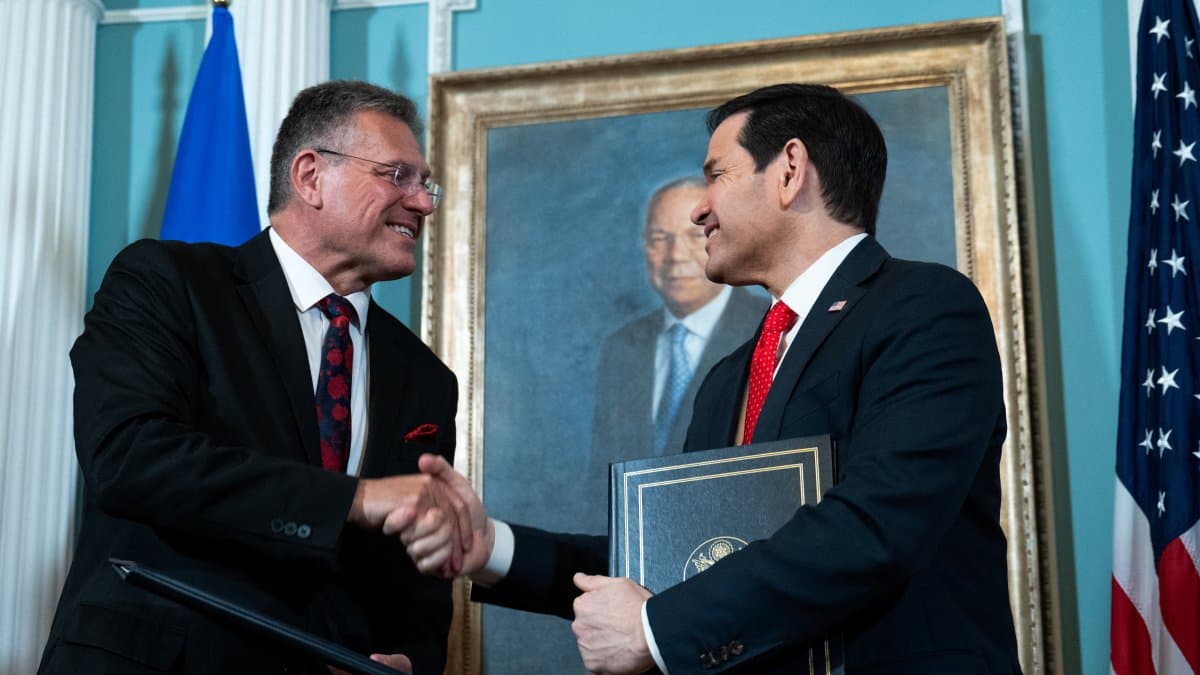
One of the main obstacles during the negotiations was a clause pushed by MEPs that sought to introduce automatic protection mechanisms if Washington defaulted on the agreement.
The original proposal contemplated withdrawing tariff benefits granted to U.S. exporters in the event of violations of the pact.
However, that position was eventually softened.
The final text now gives the United States until the end of this year to eliminate surcharges of more than 15% applied to steel components, avoiding making this point an immediate condition for activating the agreement.
The modification was interpreted by several observers as a political concession aimed at avoiding a new confrontation with the White House.
Fear of a new trade crisis
The negotiations took place in a particularly complex political context.
In addition to trade tensions, relations between the two sides were affected by several recent factors:
- Trump's statements on Greenland.
- The judicial setback suffered by the U.S. president on tariffs before the Supreme Court.
- Differences between Washington and some European governments over the war in Iran.
- The concern of several member states over possible trade retaliation.
The European Parliament had shown reservations from the outset and some countries feared that any excessive demands would provoke further backlash from Washington.
Closed-door talks between representatives of the 27 member states and MEPs began Tuesday at the European Parliament in Strasbourg, following a failed attempt in early May.
Europe defends the deal, but imposes conditions
Bernd Lange, chairman of the European Parliament's International Trade Committee, told AFP that the bloc managed to incorporate important safeguards:
"There is a suspension mechanism if the United States does not respect the agreement, an economic monitoring system and strong involvement of the European Parliament."
According to Lange, the European Parliament managed to retain a "complete safety net" to protect the EU economy.
"An agreement is an agreement"
The president of the European Commission, Ursula von der Leyen, tried to defuse the tension and defended the need to preserve the relationship with Europe's main trading partner.
"An agreement is an agreement."
The leader maintained that, despite recent differences, the European Union will keep its commitments.
The final implementation of the pact could now become a key test for economic stability between two of the world's largest trading powers.
With the political deadline set by Washington approaching and multiple tensions still open, the consensus reached this Wednesday could represent a temporary pause... or just the beginning of a new stage of negotiation between Brussels and the White House.
🛠 Do you think there is an error in this article?
Recommendations






LATEST