Arcángel dismantles the black legend: 'And that stupidity? I love my motherland, Spain'
The reggaeton and urban music singer defended Spain from all those who accuse it of having abused and stolen America in 1492.
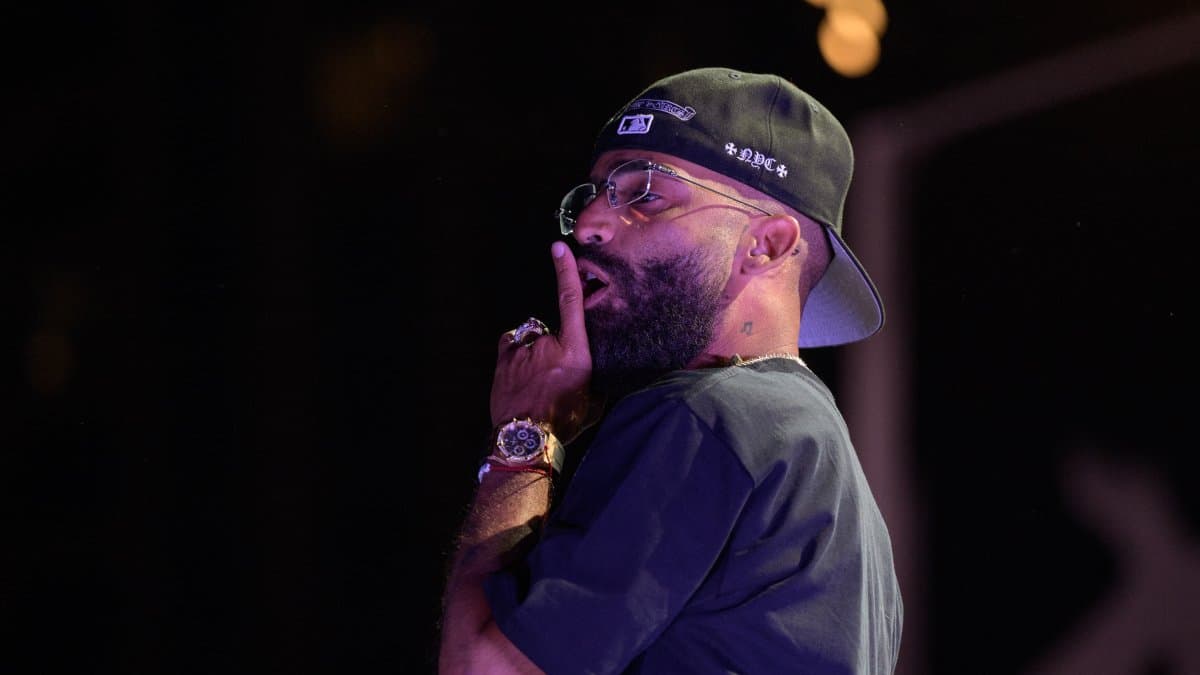

Arcángel, one of the world's most famed reggaeton and urban music singers, criticized all those who demand that Spain apologize for having arrived in America more than five centuries ago and having made it prosper. Those who push what is known as black legend.
While giving a concert this week in Madrid, Arcángel—known for hits such as Si Se Da Remix or La Jumpa—defended Spain, which he considers his "mother country," from all those who say that the Spanish abused, stole or raped in America since their arrival in 1492.
"They say Spain owes America an apology. And that stupidity? In what world do you live? Ah, that they stole the gold. And the streets, schools and churches they built for you to be educated today, where did they come from?" the artist said during his concert, interspersed with a few expletives.
"I know you say Latinos, but to me we are not Latinos, we are Hispanic Americans. We were Indians. These people came and made us talk, to believe and to assert ourselves. There is no need to apologize to anyone. I am proud, I love my motherland, Spain. I love my language; I can't imagine speaking Italian, French or Chinese. I like what I speak," he said.
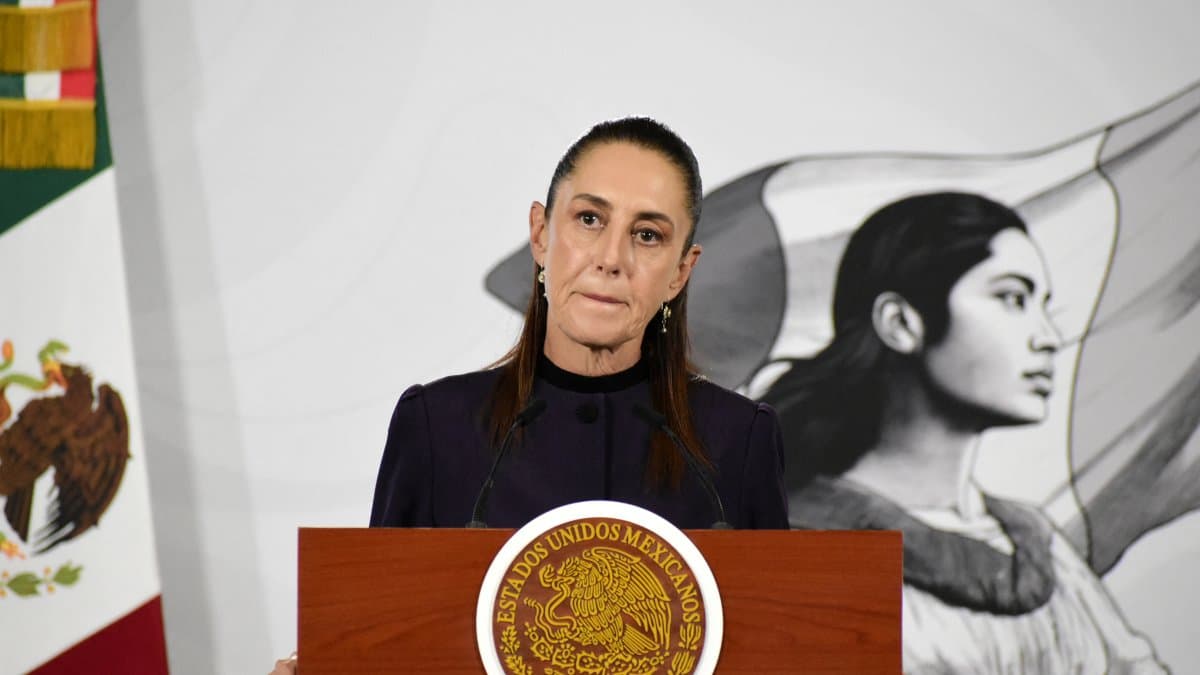
Following the demands of different Hispanic-American leaders such as, for example, Mexicans Claudia Sheinbaum and Andrés Manuel López Obrador or the Venezuelan dictators Hugo Chávez and Nicolás Maduro, the Government of Spain, led by the socialist Pedro Sánchez, aligned itself to the black legend and apologized, acknowledging the "pain and injustice" allegedly caused by the Spanish more than 500 years ago.
Arcángel is not the only Hispanic artist who has spoken out against the black legend. Nacho Cano, founder of Mecano and one of Spain's most internationally recognized artists, defended the arrival of Spain in America, stating that, if it had been the English, there would not have been a single person "alive."
🛠 Do you think there is an error in this article?
Recommendations



LATEST