ANALYSIS
United Kingdom: Starmer clings to power amid internal rebellion in the Labour Party
In the face of a serious internal crisis, both Home Secretary Shabana Mahmood and Foreign Secretary Yvette Cooper have called on Starmer to set a timetable for his departure. So far, at least 70 Labour MPs, out of a total of 403, have already publicly demanded his resignation.
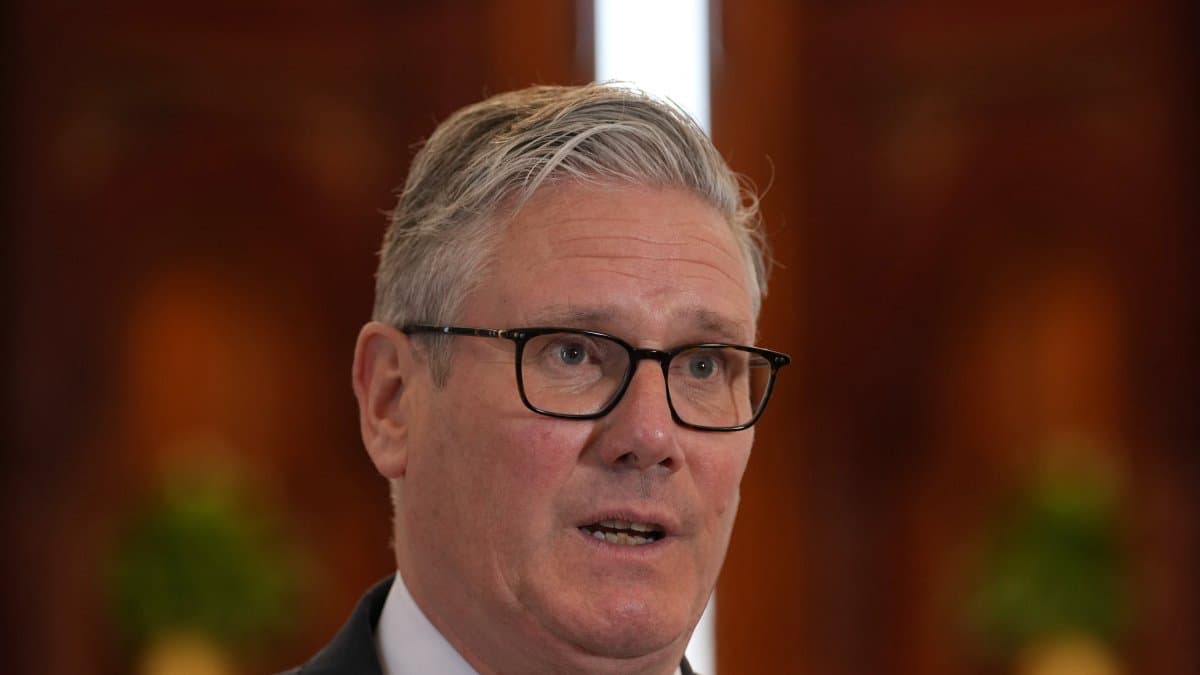

With his authority dwindling, U.K. Prime Minister Keir Starmer assured Tuesday that his intention is to "continue governing" the country despite mounting pressure within his own party for him to resign.
The government crisis intensified Tuesday following the resignation of the secretary of state for housing, Miatta Fahnbulleh. She is the first Cabinet member to quit the government following the spectacular setback suffered by Labour in last Thursday's local elections.
Fahnbulleh and 70 deputies demand Starmer's resignation
In a message sent to his ministerial team, the prime minister said the country expects the government to continue working. "The Labour Party has a process for challenging a leader and that has not been triggered. The country expects us to get on with governing. That is what I am doing and what we must do as a Cabinet," he said.
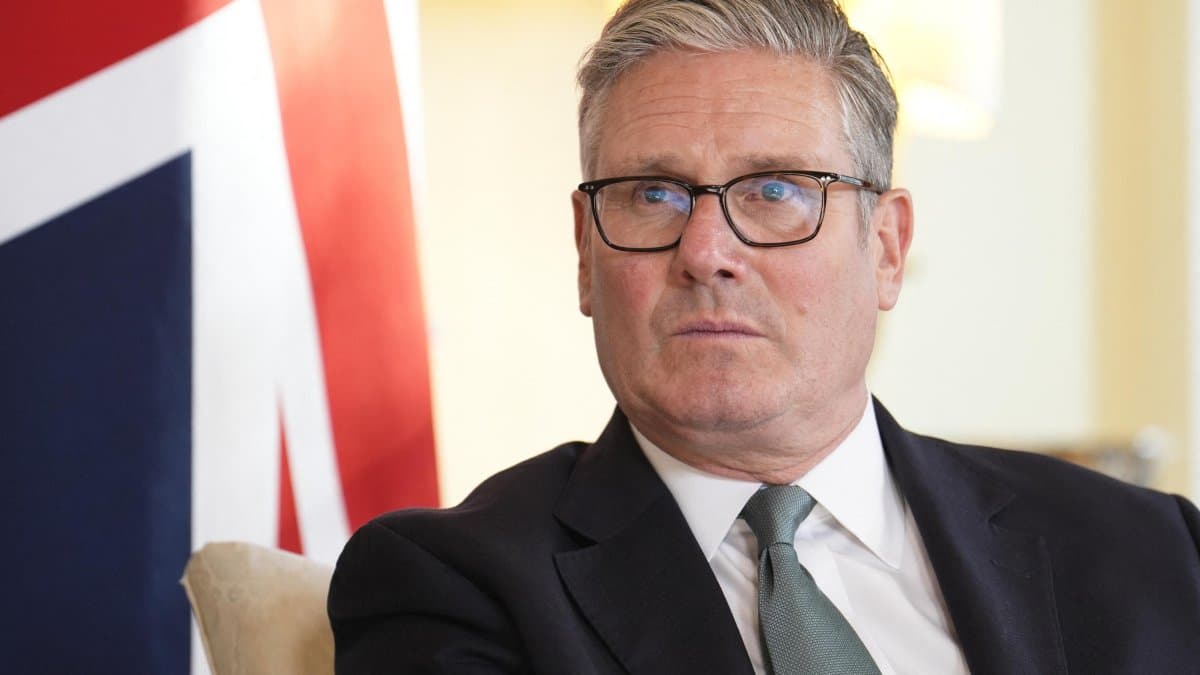
For her part, Fahnbulleh asked Starmer, in a text posted on X, "to do the right thing for the country and for the party and set out a timetable for an orderly transition."
The departure of the secretary of state for housing is not an isolated case. According to AFP, both Interior Minister Shabana Mahmood and Foreign Secretary Yvette Cooper have asked Starmer to set a timetable for his departure. At least 70 Labour MPs, out of 403, have already publicly demanded the prime minister's resignation.
Starmer acknowledges domestic frustration but fails to quell rebellion
The prime minister tried to calm tempers Monday with a speech in which he acknowledged frustration: "I know that people are frustrated with the state of Britain, frustrated with politics, and some people are frustrated with me as well," Starmer said during a speech aimed at relaunching his mandate. However, his words have failed to quell internal rebellion.
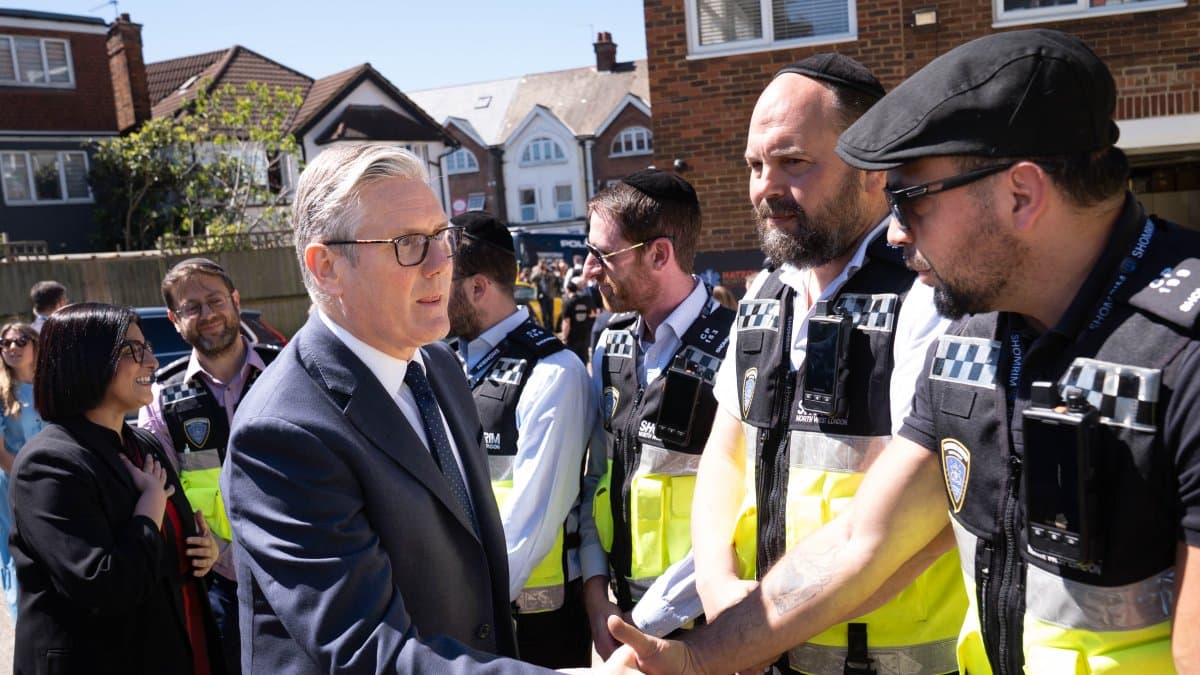
Labour, which came to power in July 2024 after 14 years of Conservative governments, suffered a major blow in the May 7 local elections: It lost nearly 1,500 councillors and saw the right-wing Reform UK party make a historic breakthrough.
Starmer's popularity, already in free fall due to the stagnant economy and the rising cost of living, has been further damaged by the scandal of the appointment and subsequent dismissal of Peter Mandelson as ambassador to Washington following revelations of his links to Jeffrey Epstein.
Farage hails "change" in British politics
Farage celebrated the results with evident satisfaction. "We are witnessing a historic shift in British politics," he assured, convinced that his party is "here to stay."
On the other hand, the Conservatives, led by Kemi Badenoch, lost hundreds of councilors, but managed to retain control of Westminster City Hall, in the center of London.
The next few days will be decisive to know if Starmer succeeds in stabilizing his leadership or if the internal pressure ends up being unsustainable.
🛠 Do you think there is an error in this article?
Recommendations

LATEST