DOJ moves to denaturalize 12 citizens charged with terrorism, sexual abuse and war crimes
The Immigration and Nationality Act (INA) provides that a naturalized U.S. citizen's citizenship may be revoked if it was obtained illegally or by concealment of a relevant fact or by intentional misrepresentation.

Todd Blanche, acting attorney general/ Lenin Nolly

The Department of Justice (DOJ) is moving forward to seek de-naturalization for twelve individuals accused of serious crimes such as "providing material support to a terrorist group, committing war crimes and sexually abusing a minor." Through a statement, the agency confirmed it had begun the necessary legal proceedings to move forward with denaturalization proceedings.
The twelve cases were prosecuted by the Department of Justice's Office of Immigration Litigation, in cooperation with local agencies.
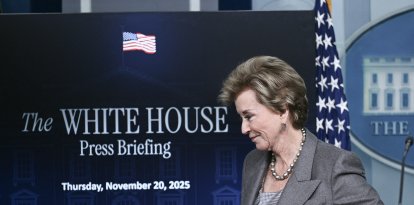
"Individuals implicated in committing fraud, heinous crimes such as sexual abuse, or expressing support for terrorism should never have been naturalized as United States citizens," said Acting Attorney General Todd Blanche.
Politics
DOJ charges main suspect in shooting of federal agents near White House with three counts
Joaquín Núñez

"The Trump administration is taking action to correct these egregious violations of our immigration system. Those who intentionally concealed their criminal histories or misrepresented themselves during the naturalization process will face the fullest extent of the law," he added.
The citizens targeted by the DOJ for denaturalization are as follows:
- Ali Yousif Ahmed Al-Nouri: originally from Iraq. Ahmed entered the United States in 2009 claiming that he and his family had been attacked by Al-Qaeda terrorists. In 2019, Iraq requested Ahmed's extradition to face criminal charges for the premeditated murder of two Iraqi policemen in 2006.
- Oscar Alberto Pelaez: this is a priest of Colombian origin. According to the DOJ, he sexually abused a minor on multiple occasions between 1998 and 2000. "Mr. Pelaez lied about the commission of these crimes in connection with his naturalization application," the agency noted.
- Khalid Ouazzani: The man originally from Morocco was naturalized in 2006. According to the DOJ, his oath of allegiance to the United States turned out to be "false." In May 2010, Ouazzani pleaded guilty to bank fraud, money laundering and material support for Al-Qaeda.
- Salah Osman Ahmed: In a case similar to Ouzzani's, Ahmed, from Somalia, pleaded guilty to providing material support to terrorists. "Ahmed procured his naturalization by concealment of material facts or willful misrepresentation," the DOJ notes.
- Baboucarr Mboob: The 58-year-old was a military policeman in The Gambia. According to the allegations against him, he concealed his involvement in war crimes and acts of persecution during his immigration and naturalization proceedings after entering the United States in 2002.
- Kevin Robin Suarez: Of Bolivian origin, he pleaded guilty to participating in an arms trafficking ring that shipped weapons from Florida to Bolivia and other South American countries linked to drug trafficking. According to the DOJ, Suarez illegally obtained U.S. citizenship because his crime prevented him from meeting the good moral character requirement to naturalize.
- Abduvosit Razikov: Accused of using fraudulent marriages to obtain immigration benefits and facilitate the entry of third parties into the United States, authorities contend that the Uzbek national never legally obtained permanent residency.
- Abdallah Osman Sheikh: the DOJ claims he obtained his naturalization unlawfully, by concealing relevant information or through deliberate misrepresentations.
- Debashis Ghosh: originally from India, he is accused of participating in a million-dollar fraud against investors before and after naturalization. He would have concealed the crimes in his immigration interview.
- Pin He: although he was deported in 1992, authorities claim he re-entered the country using a different name and then obtained U.S. citizenship by concealing his immigration history.
- George Oyakhire: authorities contend the 66-year-old Nigerian obtained his residency and citizenship through document fraud.
- Víctor Manuel Rocha: the most famous case among all the above. He is a former U.S. diplomat convicted of acting for decades as a covert agent for Cuba. He admitted spying for Havanaeven before he became a naturalized citizen in 1978.
Politics
DOJ: Biden Administration 'penalized Christians who lived in accordance with their beliefs'
Williams Perdomo

How does the denaturalization process work?
Denaturalization is a legal process by which the citizenship of a person who acquired nationality by naturalization is revoked. This involves losing fundamental rights that one had as a U.S. citizen, such as the right to vote, legal protections and a passport. It even opens the door to deportation, depending on the case.
Although infrequent, this process is regulated by specific rules and procedures that were regulated more than 70 years ago, during the presidency of Dwight Eisenhower.
The legal authority for this process is found in the Immigration and Nationality Act (INA). This legislation provides that the citizenship of a naturalized U.S. citizen may be revoked and the certificate of naturalization canceled if the naturalization was obtained illegally or by concealment of a relevant factor by intentional misrepresentation.
The INA marks two paths for prosecution, civil and criminal. In both cases, if the government obtains a favorable judgment, citizenship is revoked and the person in question reverts to his or her previous status, giving rise to possible deportation proceedings. The judgment can be appealed to the federal appeals courts and eventually to the Supreme Court.
LATEST