Ostentation and contrasts: The luxurious life of Iranian General Soleimani's granddaughter and niece in California
Between designer handbags, luxury blankets, small pet dogs and photo shoots in high-end attire, the women created a narrative of opulence and sophistication that contrasted sharply with their legal status in the United States and the instability of their country of origin.
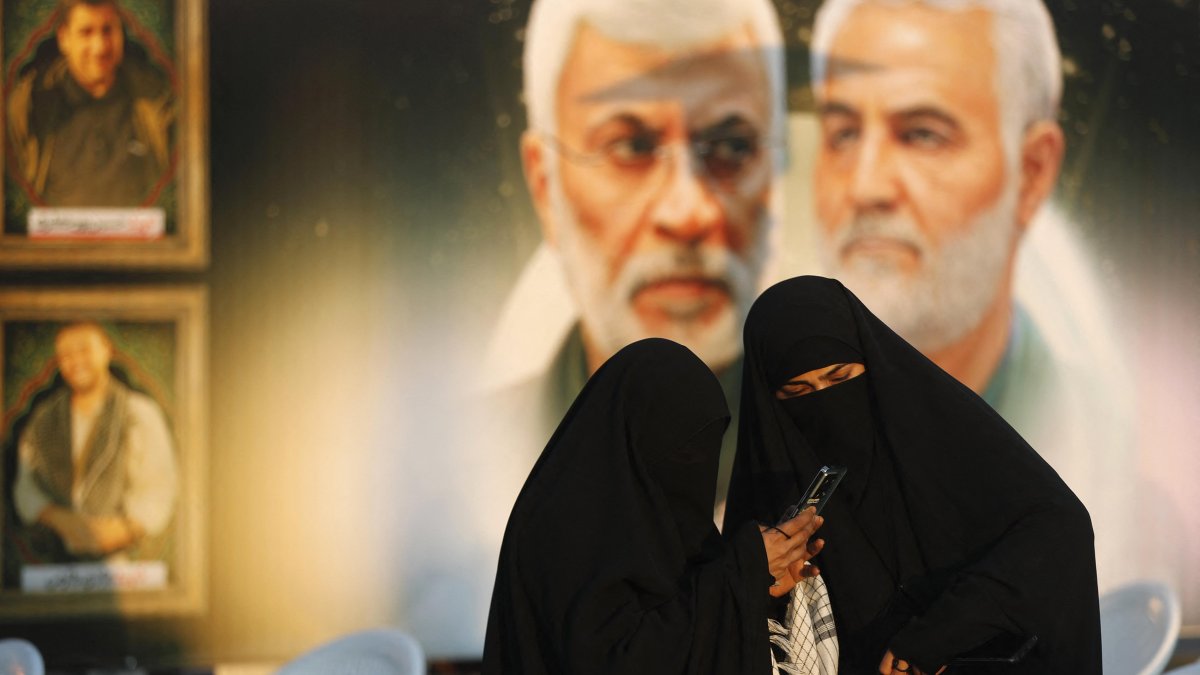
Women in front of portraits of Iranian Revolutionary Guard commander Qasem Soleimani.

Hamideh Soleimani Afshar, 47, and her daughter Sarinasadat Hosseiny, 25, lived an existence that looked like something out of high-end influencer social media. According to images obtained by The Washington Post, Afshar drove a black Tesla filled with luxury items: Miss Dior handbags, Hermes cushions, Sephora makeup bags and leather accessories carefully placed in the seats and front passenger space. Inside the car, personal documents and some parking tickets could also be seen, mixing luxury and everyday life.
At their accessory home in Tujunga, about 20 miles from downtown Los Angeles, the mother and daughter had decorated spaces with life-size mannequins, selfie rings and carefully displayed designer outfits. Hosseiny appeared on social media posing in meticulous outfits, from black corsets paired with pink skirts to casual couture attire, projecting a glamorous, cosmopolitan life.
Hamideh Soleimani Afshar and Sarinasadat Hosseiny are the niece and grandniece of the late Iranian general Qasem Soleimani, eliminated in 2020 by order of Donald Trump, who defined him as "the number one terrorist in the world."
Contrast with his country of origin
This lifestyle contrasts radically with the situation in Iran, where Soleimani's niece comes from an environment marked by military tensions and social restrictions. While Hamideh and her daughter posed next to luxury accessories and carefully photographed pets, millions of Iranians face power cuts, price hikes and the pressure of an active conflict with Israel and the United States.
The contrast underscores the paradox of an opulent lifestyle abroad, while relatives and compatriots live under much harsher conditions and a country mired in war and economic uncertainty. But it goes beyond that.
Both lived in the United States oblivious to the strict rules Iranian women must follow in their country, where veiling is mandatory from age 9, driving, tattooing or wearing bikinis is not allowed. In contrast, they defied those restrictions: doing so publicly and documenting it on their social networks, where they have also been seen enjoying entertainment venues in Miami and attending parties in Las Vegas.
Legal and family context
Secretary of State Marco Rubio, indicated that both are in custody awaiting deportation, stressing that "the US will not allow the country to become a haven for foreigners who support anti-U.S. terrorist regimes." However, Soleimani's daughter denied any direct family relationship and called the allegations false, according to the BBC.

World
Rubio announces arrest of two Soleimani relatives living in the US, now facing deportation
Emmanuel Alejandro Rondón
A carefully planned lifestyle
Photographs and testimonials show a deliberate effort to project an image of wealth and sophistication. Between designer handbags, luxury blankets, small pet dogs and photo shoots in high-end attire, Afshar and Hosseiny created a narrative of opulence that contrasted sharply with their legal status in the United States and the instability of their home country.
LATEST