Kilmar Abrego Garcia Case: Judge Dismisses Federal Charges, Cites ‘Vindictive Persecution’ by Government
The court decision did not focus on the Salvadoran's innocence or guilt, but rather on how the federal government pushed the prosecution.
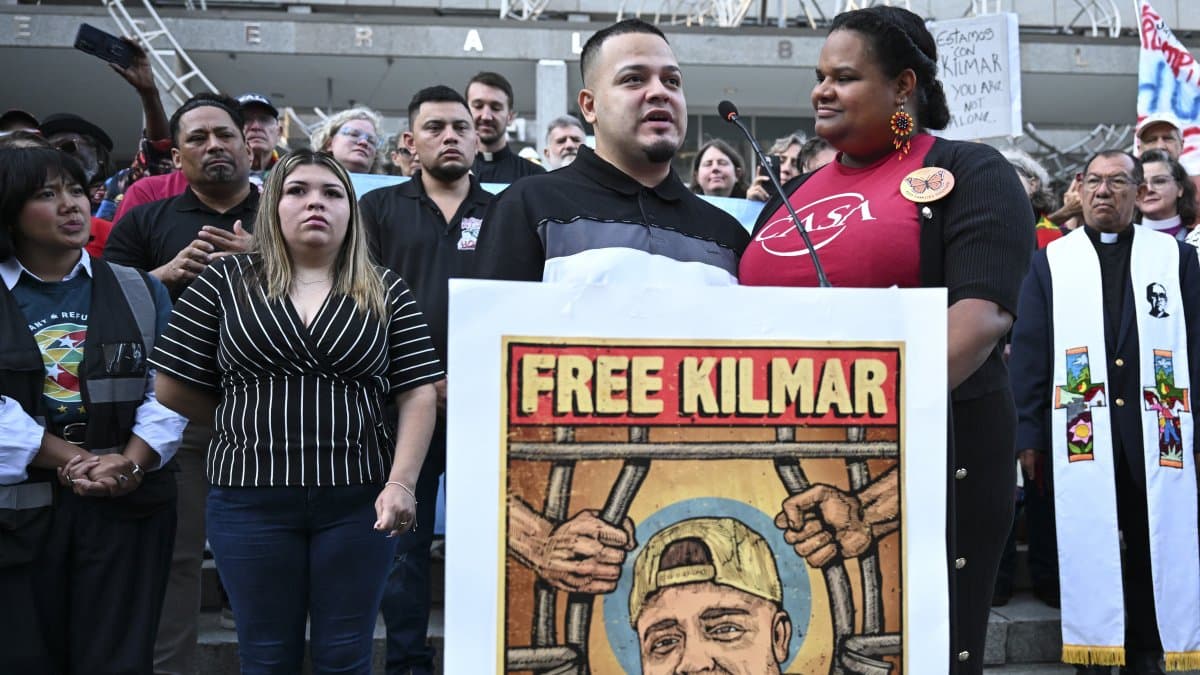

A federal judge dismissed criminal charges against Kilmar Abrego Garcia, the Salvadoran immigrant who was deported in 2025 and whose case drew national attention. The court decision concluded that there wereindications that the government pushed for the prosecution in retaliationfor the legal battle the man waged after he was deported from the country to a prison in his home country.
In August 2025, after the Salvadoran was released, Judge Waverly Crenshaw ordered a case to be opened to determine whether the criminal charges against Abrego Garcia were the result of "vindictive prosecution" by the Trump Administration. Months later, the judge ruled in favor of the Salvadoran. Specifically, she found evidence that the prosecution may have been motivated by persecution.
"The Court does not reach its conclusion lightly. The objective evidence here shows that, absent Abrego’s successful lawsuit challenging his removal to El Salvador, the Government would not have brought this prosecution," the judge wrote.

Politics
Trump tightens banking oversight on immigration, orders review of customers' citizenship
Diane Hernández

Politics
USCIS tightens rules, foreigners must leave US to apply for green cards: Here’s the breakdown
Carlos Dominguez
Abrego Garcia was charged last year with two felonies for allegedly transporting immigrants without legal authorization into the United States. The charges were filed as soon as he returned from El Salvador due to a court order. At the time, the man pleaded not guilty.
Following the ruling, the criminal case against Abrego Garcia was dismissed. The judicial decision did not focus on the Salvadoran's innocence or guilt, but rather on the way in which the federal government pushed the prosecution, considering that there were indications of a possible vindictive motivation behind the process.
Chronology of the Kilmar Abrego García case
The Salvadoran national entered the United States illegally in 2011. Although he received a deportation order eight years later, U.S. authorities determined that the 29-year-old could not be deported to his home country for fear of persecution.
However, he was deported to El Salvador in March of this year and sent to the Center for Confinement of Terrorism (CECOT). Subsequently, the Department of Justice acknowledged that this action was the product of an "administrative error" and the U.S. Supreme Court ordered the Trump Administration to "facilitate" his return to the country.
Upon his return he faced prosecution by the government. Shortly thereafter, he was released in late 2025 by order of federal judge Paula Xinis. Finally, Judge Crenshaw dismissed the criminal case against him.
🛠 Do you think there is an error in this article?
Recommendations







LATEST