ANALYSIS
What does it mean when the US lowers its travel advisory for Venezuela to level 3?
Although Washington recognizes some progress, it maintains warnings for crime, terrorism and a weak health system.
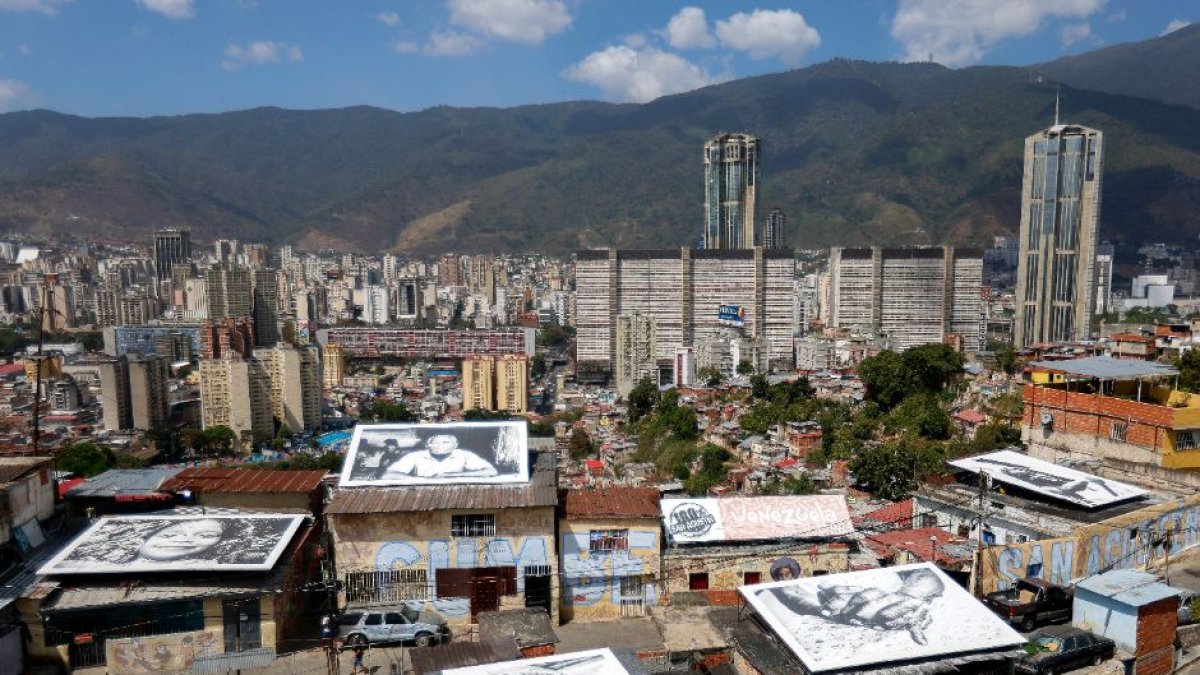
Caracas

The United States Department of State reduced the travel alert level for Venezuela to level 3 this Thursday, a change that reflects some progress on the diplomatic front, but does not imply that the country is considered safe. On the official scale, level 3 means "reconsider travel," indicating that there are significant safety risks to U.S. citizens.
The decision comes amid the gradual resumption of diplomatic operations in Caracas, after years of absence. However, the U.S. government itself makes clear that the improvement is limited and that multiple threats persist.

A change of level, not of risk
The main difference from the previous level (level 4: "do not travel") is that specific warnings, such as unjustified detentions and disturbances, have been removed. Even so, Washington maintains its recommendation to reconsider any travel due to structural problems that have not gone away.
Among the risks identified are still crime, kidnappings, terrorism and deficiencies in the health system, factors that continue to affect large parts of the country.
High-risk areas persist
Washington maintains strict prohibitions in several regions of the country. These include the border strip with Colombia, the state of Amazonas, Apure, areas outside Maracay in Aragua, as well as rural areas of Bolívar, Guárico and Táchira.
According to the report, these areas present high risks due to the presence of armed groups and criminal networks. The Department of State warns that organizations such as Tren de Aragua and Cartel de los Soles continue to operate, especially in regions near borders with Brazil and Guyana.

Politics
State Department downgrades risk of travel to Venezuela from Level 4 to 3
Virginia Martínez
Limited security and services
The U.S. government stresses that, although the situation shows signs of improvement, violent crimes such as homicides, robberies and kidnappings continue to occur. It also warns of risks associated with the use of informal transportation, night travel and operations in poorly controlled areas.
In parallel, the capacity for consular assistance remains restricted. The Bogotá-based Venezuelan Affairs Unit continues to operate as a remote mission, while consular services within the country remain suspended. Even U.S. personnel require special authorizations to travel outside Caracas.
Health system in recovery
The report notes that Venezuela's health system still faces significant deficiencies, especially in rural areas, where medicines, equipment and personnel are in short supply. It also warns of diseases such as malaria, dengue, and Zika, as well as risks associated with contaminated water.
A country still at high risk
LATEST