Trump’s SOTU Guest Enrique Márquez Breaks Silence in Venezuela, Praises Former Spanish Socialist President Zapatero and Petro
During his extensive speech, Márquez stated that "the actions of North America and President Trump open the door to an opportunity" and called for reading the new scenario as a window to advance towards democratic normalization.
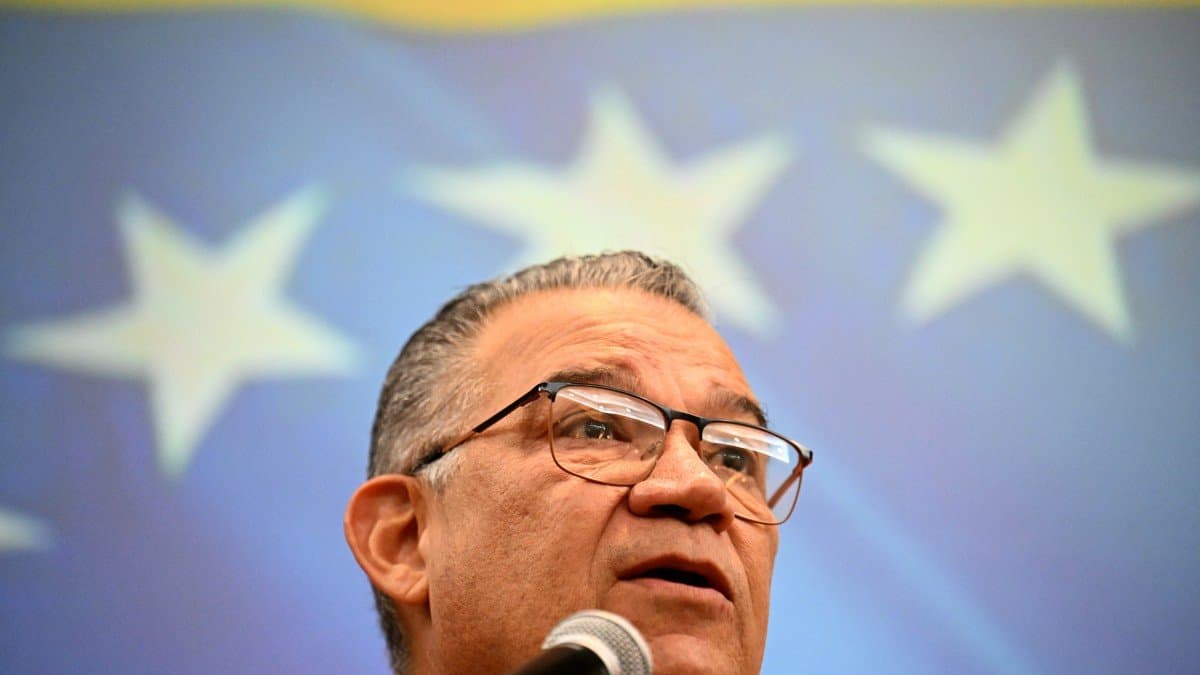

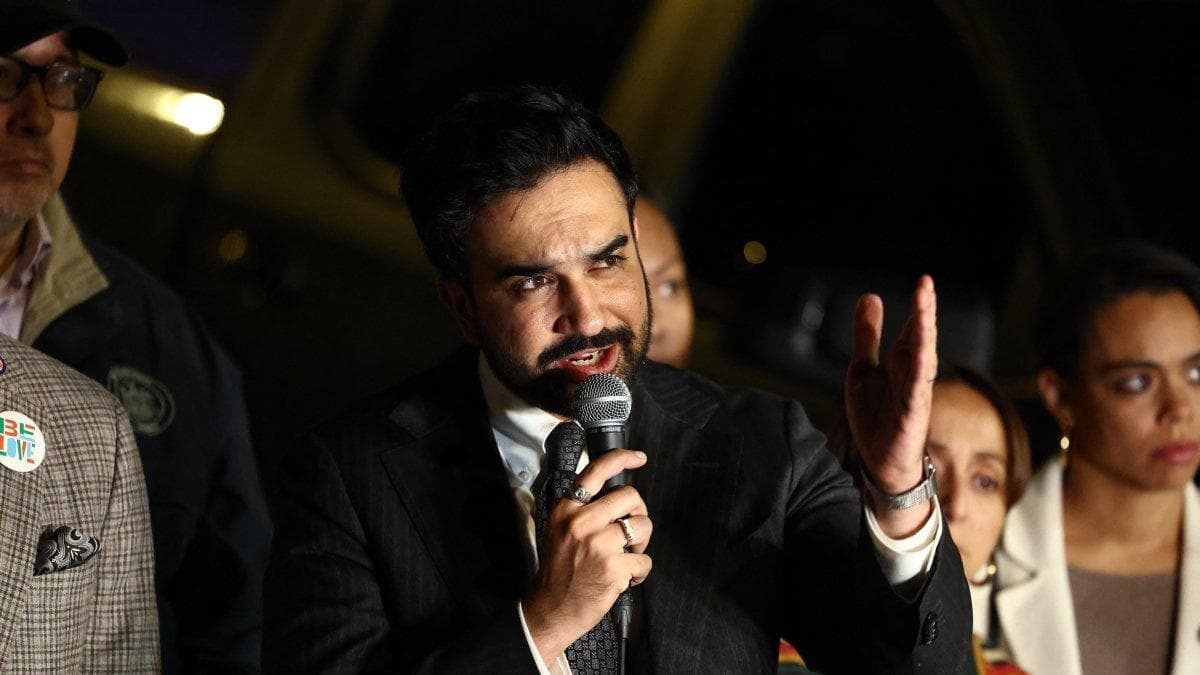
Three days after being introduced by Donald Trump before the U.S. Congress during the State of the Union, Enrique Marquez, a Venezuelan political express, broke the silence in Caracas, in a speech and press conference that generated praise and also controversy.
The scene in Washington, with his niece Alejandra Gonzalez embracing him as he was cheered by U.S. legislators, projected him as a figure with potential weight in the Venezuelan transition. However, his first public appearance after that international endorsement led by President Donald Trump left an unexpected element: an open defense of former Spanish socialist president José Luis Rodríguez Zapatero, an actor frowned upon by Washington for his ties with Chavismo, and of the Colombian president Gustavo Petro, a figure that generates reservations within opposition sectors.
During his lengthy address, Márquez stated that "the actions of North America and President Trump open the door to an opportunity" and called for reading the new scenario as a window to advance towards democratic normalization. He declined, however, to offer details about his talks in Washington. "I'm going to be very discreet with the comments I have to issue around the talks I held there," he said.
The Social Democrat leader backed the amnesty law recently approved in Venezuela, calling it "a first step in the right direction." "I am not one of those who criticize the good because they keep dreaming of the ideal. The law is an advance and we salute it," he said. He also expressed support for the new oil legislation and said he was willing to accompany Delcy Rodriguez, Venezuela's de facto leader, in whatever he considers right if it contributes to reconciliation and democracy.
That pragmatic line did not prevent her from harshly questioning former dictator Nicolás Maduro, arrested by U.S. forces last January 3. "They insisted on suppressing the country's political and economic freedoms when everyone was asking them for rectifications. By clinging to power, Maduro has created chaos, misery, backwardness and migration," said Marquez, who also lashed out at the regime's former prosecutor Tarek William Saab, whom he blamed for abuses against political prisoners and described as "a gray character who works in the dark."
Márquez told of having known cases of inmates in harsher conditions than his own in prisons such as Tocorón and El Rodeo, spoke of threats and punitive transfers, and denounced evictions and expropriations against families of detainees. "I advocate for the freedom of all of them", he said.
He also said he supports the three-phase plan proposed by Secretary of State Marco Rubio to stabilize the country and expressed his willingness to work with opposition leader María Corina Machado and with all political sectors.
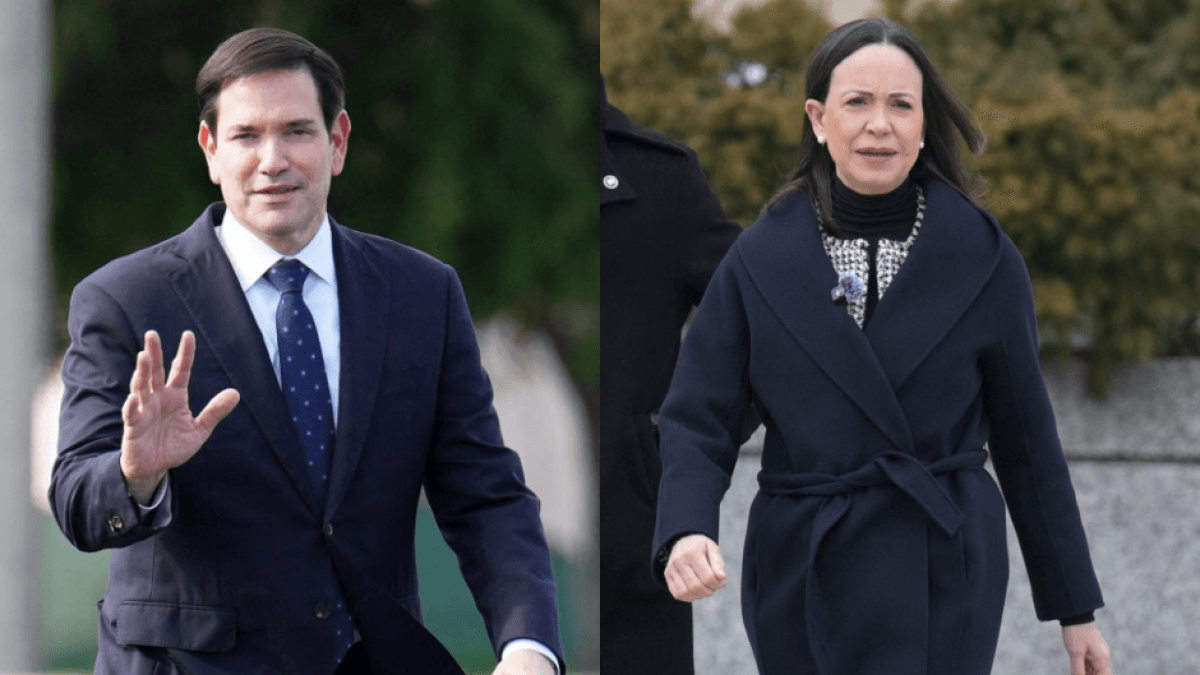
Politics
Poll: María Corina Machado and Marco Rubio top popularity rankings in Venezuela
Emmanuel Alejandro Rondón
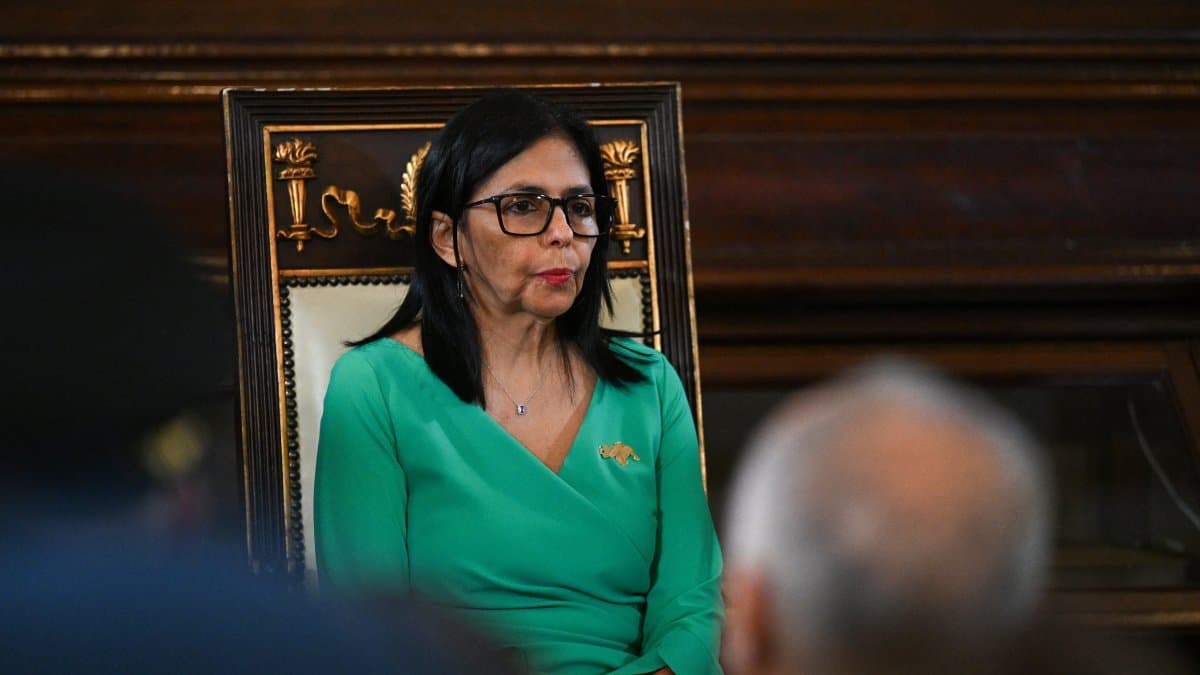
World
The regime of Delcy Rodríguez approves an incomplete amnesty law with broad exclusions
Luis Francisco Orozco
Praise that generates criticism
The most delicate and controversial point of her intervention was during the press conference, when answering questions from the media, when she was full of praise for the Spanish politician Zapatero: "He has all my love and affection (...) He behaved like a brother with my wife. I think he plays an important role in Venezuela. I hope that time will vindicate him. My friends I don't deny them."
About Petro, he maintained that he was "a great ally" for his freedom, announced that he will visit him soon and that he will undertake an international tour "on the route of gratitude".
Both leaders have been questioned by opposition sectors that consider that their strategies of dialogue with Chavism ended up being functional to the regime. The fact that Marquez publicly vindicates them just after having been made visible by President Trump -referent of a hard line against chavism- has generated criticism against the former politician.
Nevertheless, his appearance in the SOTU, his speech of internal reconciliation and the recognition of international actors of opposite ideological signs profiles Marquez as a leader who is trying to become a man of transition, at an absolutely crucial moment for the future of Venezuela.
🛠 Do you think there is an error in this article?
Recommendations
LATEST