After the brutal repression, Iranian students resume protests against the ayatollah's regime at the beginning of the new semester
According to official data, at least 3,000 people were killed in January during the fierce crackdown. However, independent organizations claim that the figure could be at least 7,000 victims. Other reports claim tens of thousands of deaths in the protests.
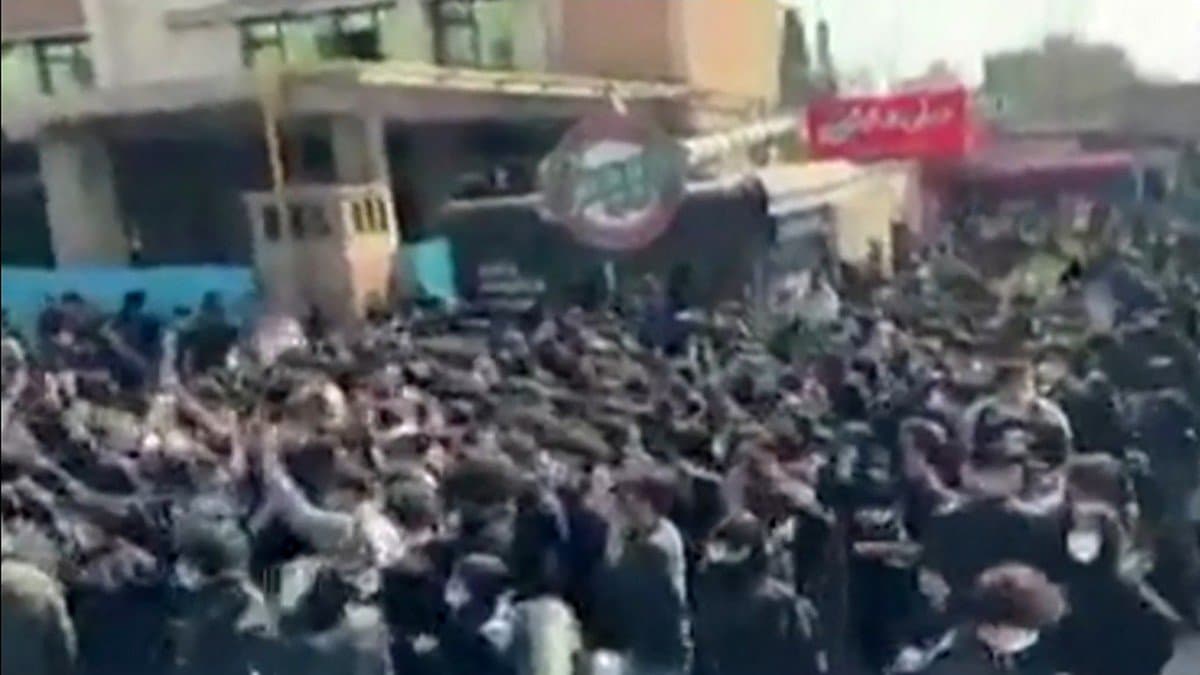

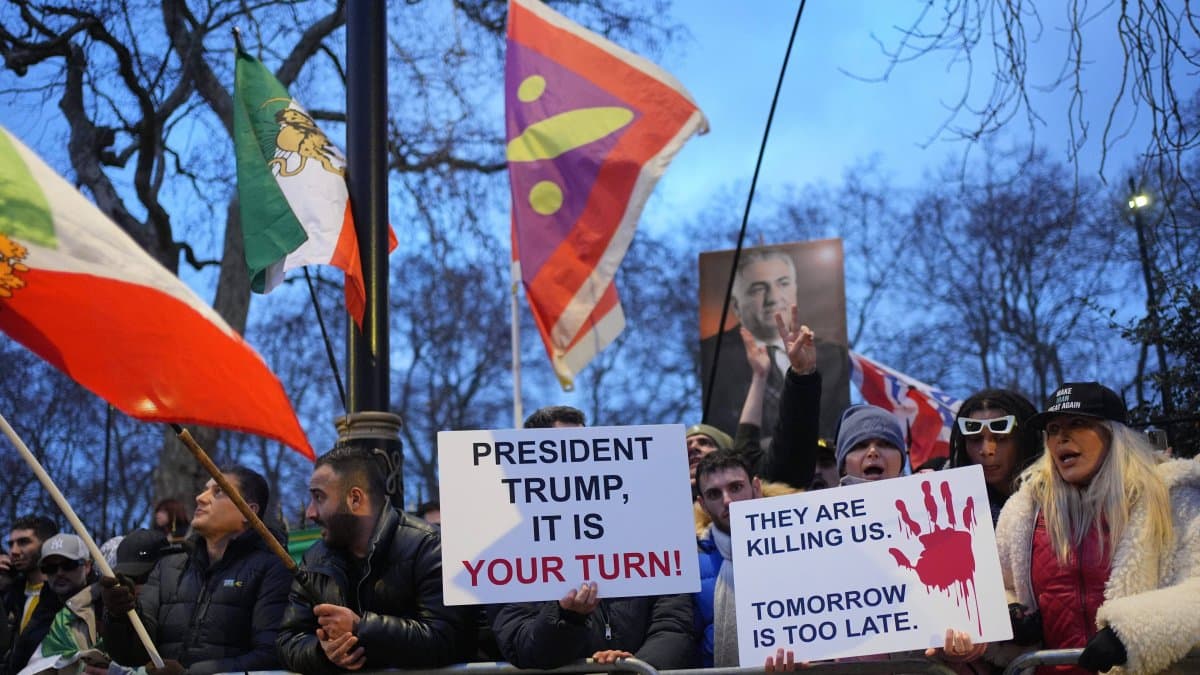
Students at several universities in Iran starred in fresh demonstrations against the ayatollah's regime on Saturday, coinciding with the start of the academic semester. The rallies were recorded mainly in Tehran and other cities across the country, in a context marked by the recent state crackdown that ended a nationwide wave of protests.
As reported by The New York Times, the mobilizations were confirmed by state media, student groups and verified videos of what happened on different university campuses in the Middle Eastern country. The protests come a month after authorities quelled with a large security operation a movement demanding political changes amid rampant inflation and questioning the country's clerical regime.
In the capital, students from Sharif University of Technology and Amirkabir University—two of the country's most renowned institutions—held marches and rallies inside the campuses. Many attendees wore black as a sign of mourning for those killed during the previous crackdown.
Gatestone Institute
When tyrants beg for talks: the danger of empowering Iran's soul crushing murder factory once again
Majid Rafizadeh
At Sharif University, protesters chanted slogans against the country's leadership, including the now-famous "Death to the dictator," directed at Supreme Leader Ayatollah Ali Khamenei. Images released on social networks show moments of tension and pushing and shoving between groups inside the campus. State-run Islamic Republic of Iran Broadcasting said the protest began as a silent sit-in and escalated into chants it described as "subversive," after which the atmosphere became tense.
At Amirkabir University, a student group claimed in a message posted on Telegram that some students were detained when security forces blocked access to the institution. The semi-official Tasnim agency, meanwhile, denied that any arrests had taken place. State media noted that the incidents were brief and limited in scope.
Rallies were also reported at a university in Mashhad, in the northeast of the country, and at Shahid Beheshti University, in Tehran, according to local student organizations.
Iranian authorities did not issue broad public statements on these new protests.
The student movement has played a relevant role in different moments of Iran's contemporary history, including the 1979 revolution that led to the establishment of the Islamic Republic. At various stages, universities have been the scene of political mobilizations, as well as security operations, arrests, and academic restrictions.
According to official figures, more than 3,000 people were killed during the crackdown on protests in January. Human rights organizations maintain that the number of victims could be considerably higher, reaching, at least, 7,000 dead, with the possibility of the figure rising as more cases are verified. There are even reports of tens of thousands of deaths. Meanwhile, the Iranian regime continues to prosecute people accused of having promoted the protests.
🛠 Do you think there is an error in this article?
Recommendations




LATEST