The Maduro regime has kidnapped at least five Americans since Trump's military pressure began
The U.S. is evaluating declaring at least two of them as unjustly detained.
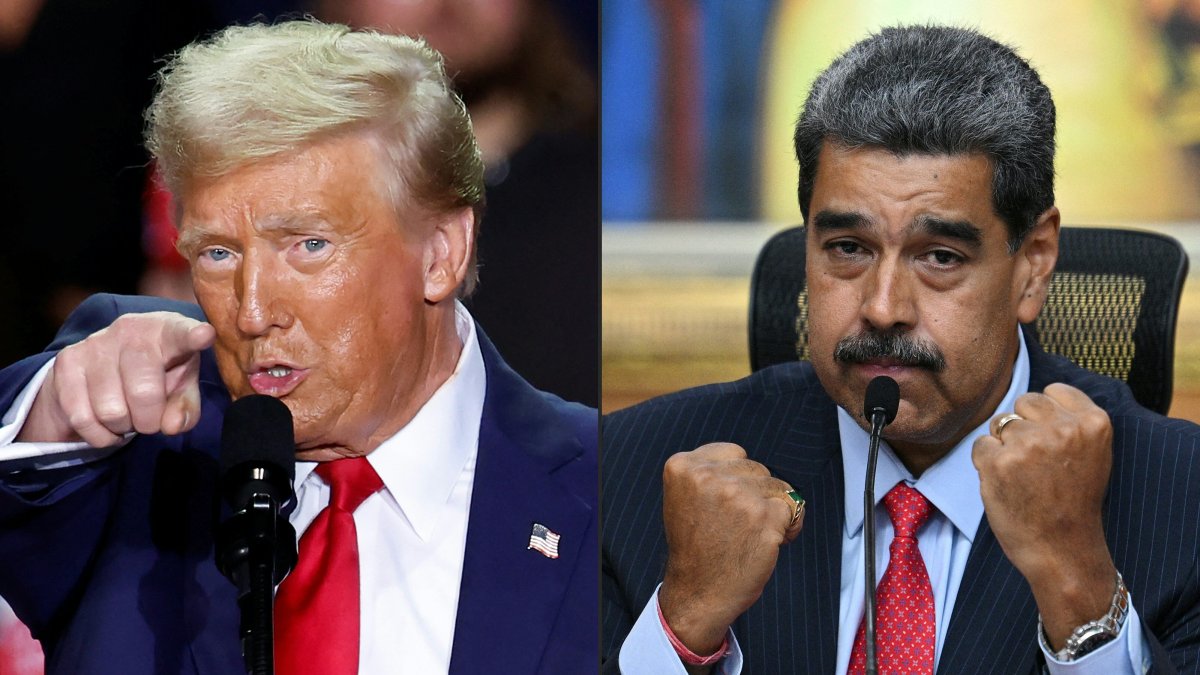
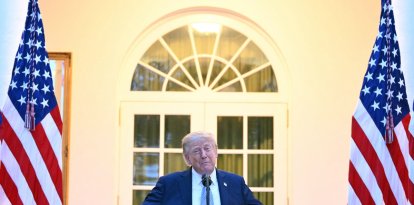
Donald Trump and Nicolas Maduro in a file image

The regime of Nicolás Maduro has detained at least four U.S. citizens in recent months in a context of growing confrontation with Washington after the Trump Administration reactivated a strategy of military and economic pressure against chavismo.
According to The New York Times, according to a U.S. official familiar with the case, among the detainees are three Venezuelan-U.S. dual nationals and two Americans with no known ties to Venezuela. Although some would face criminal charges considered legitimate by local authorities, but the United States is considering declaring at least two of them wrongfully detained.
Washington has maintained for years that Chavismo has been using U.S. citizens—guilty or not—as bargaining chips in diplomatic negotiations. Recently, at the beginning of Trump's second term, this dynamic seemed to continue after the presidential envoy for Venezuela, Richard Grenell, traveled to Caracas to negotiate a deal to free several U.S. hostages.

Politics
Bipartisan Support: Vast Majority of Americans Favor Ousting Nicolás Maduro
Emmanuel Alejandro Rondón
As a result of those contacts between Grenell and the Maduro dictatorship, 17 Americans and permanent residents of the country were released without handing over too many concessions, unlike the Biden Administration, which managed to free several U.S. citizens after returning family members and Maduro's front man.
Despite Grenell's activities, that channel was abruptly closed when the White House, on Trump's orders, chose to suspend the talks and move forward with a direct pressure offensive against Maduro. Since then, according to official sources, the number of Americans detained in Venezuela has increased again.
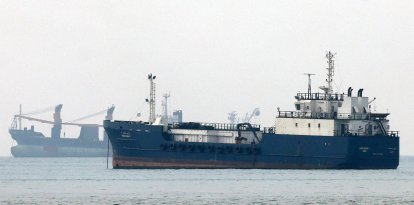
This increase in the number of new hostages coincided with the deployment of a U.S. navy in the Caribbean and the beginning of air strikes against vessels linked to drug trafficking directed by the Venezuelan regime. To this was added, this month, a new escalation: The United States began to intercept oil tankers carrying Venezuelan crude oil, directly affecting the country's main source of income.
One of the most sensitive cases, according to the NYT, is that ofJames Luckey-Lange, a 28-year-old U.S. citizen who disappeared after crossing the southern border of Venezuela in early December. The young man, son of singer Diane Luckey -known artistically as Q Lazzarus—would have entered the country without it being clear if he had the visa required by Venezuelan law. His family claims to have received no official information on his whereabouts.
Former U.S. detainees have denounced in recent months abusive detention conditions, lack of due process and unsubstantiated accusations. One of them, released in July through a prisoner swap, claimed to have been beaten and deprived of basic care during his incarceration. As a result, the State Department has repeatedly warned that Venezuela is not a safe place to travel, placing it at Risk 4.
World
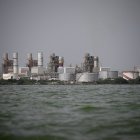
The US naval siege suffocates Maduro's regime and forces the closure of oil wells
Emmanuel Alejandro Rondón
Meanwhile, at least two other citizens with ties to the United States remain imprisoned in Venezuela, according to their relatives. For Washington, these cases reinforce the accusation that the Maduro regime holds foreign political prisoners as part of its survival strategy in the face of international pressure.
The Trump Administration, for its part, insists that the release of unjustly detained Americans will remain a priority, even as the standoff with Caracas enters an increasingly tough phase.
LATEST