The US naval siege suffocates Maduro's regime and forces the closure of oil wells
State-owned PDVSA aims to reduce Orinoco production by at least 25%, to some 500,000 barrels per day, which implies a cut of close to 15% of total Venezuelan production.
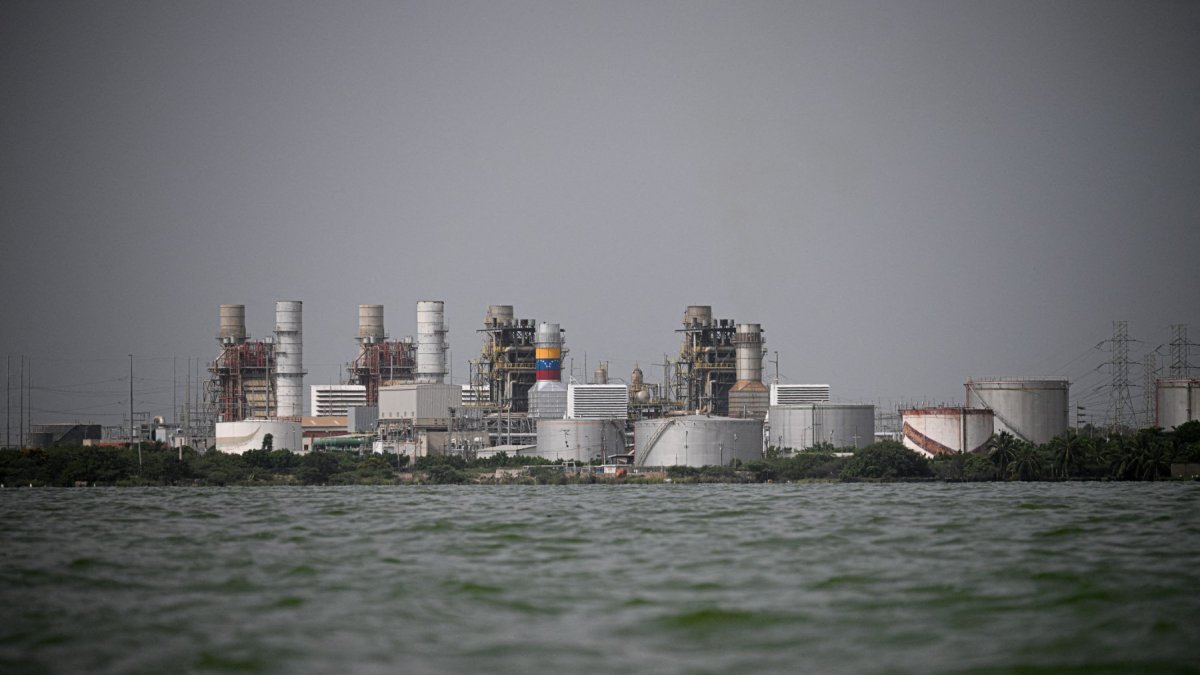
An oil refining plant of state-owned PDVSA in Maracaibo, Zulia state

U.S. military and economic pressure on Venezuela begins to show concrete effects on the heart of the economy of the Nicolás Maduro regime, indicted for narcoterrorism by the Trump Administration.
According to a report by Bloomberg, state-owned Petroleos de Venezuela (PDVSA) began to close wells in the Orinoco Oil Belt, the largest crude oil reserve in the world, due to the impossibility of placing its production in the international market due to the naval blockade imposed by Washington.
PDVSA began shutting down wells on Dec. 28 after running out of storage capacity, with inventories rising and no outlet for cargoes after US seized oil tankers originating from Venezuela and seeking to evade US sanctions. The company aims to reduce Orinoco production by at least 25%, to about 500,000 barrels per day, which implies a cut of close to 15% of total Venezuelan production.
The decision represents a direct blow to Nicolás Maduro's regime, which for months tried to sustain crude exports despite growing pressure from the Trump Administration. The shutdown of wells is considered an extreme measure within the oil industry, due to the high costs and technical difficulties involved in reactivating production.
Politics
Trump Administration orders military to enforce naval oil blockade against Nicolás Maduro
Víctor Mendoza

Politics
Trump claims in a radio interview that the US destroyed a drug trafficking facility in Venezuela
Emmanuel Alejandro Rondón
China, the main buyer of Venezuelan oil, has also been affected by the restrictions, while PDVSA is moving forward with progressive closures in the Junín, Ayacucho and Carabobo blocks, which concentrate a large part of the country's extra-heavy crude.
Naval blockade, drones and the war against drug trafficking
The closing of wells takes place within the framework of a comprehensive encirclement strategy against Maduro deployed by the United States by order of President Donald Trump. The route combines military pressure, sanctions and a direct offensive against drug trafficking routes.
Since the beginning of the operation, U.S. forces have destroyed more than 30 vessels linked to drug trafficking in the Caribbean Sea and the eastern Pacific, in a campaign that Washington presents as anti-drug, but which also aims to cut off one of the main sources of financing for the Chavista regime: cocaine trafficking.
To all this effort was added, according to anonymous Administration sources confirmed to different media, a drone attack inside Venezuelan territory, attributed to the CIA, against port facilities allegedly used by the criminal group Tren de Aragua to store and dispatch drug shipments. This is the first known U.S. attack against a ground target inside Venezuela, marking a significant escalation of the conflict.
In parallel, Washington ordered the blockade and seizure of sanctioned oil tankers attempting to enter or leave Venezuelan ports, expelling vessels from nearby waters and paralyzing crude oil export logistics. This combination of measures left PDVSA without operational capacity to continue producing at the previous rate.
Blow to the core of Chavista power
LATEST