






While the US announces trade agreements with four Latin American countries, talks with Brazil are progressing at a slower pace
The deterioration of the relationship between Brazil and the US began in August, when Trump applied a 50% 'tariff' - one of the highest tariffs in the world - on a large part of Brazilian exports.

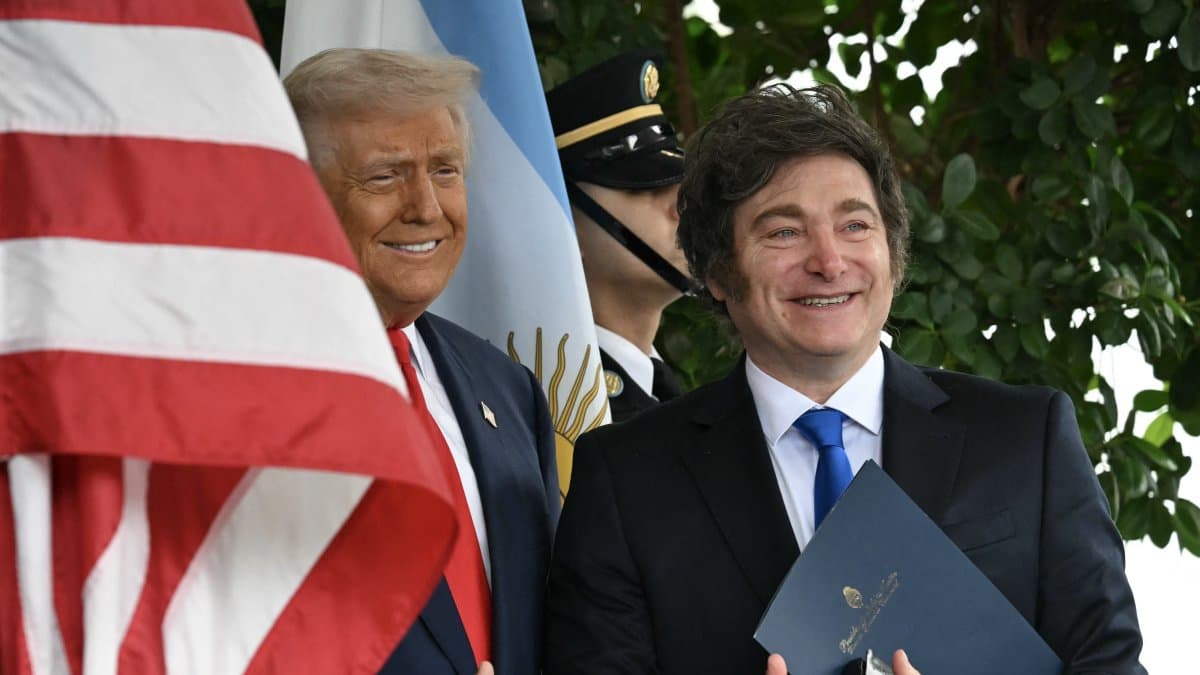
The Trump Administration is notably accelerating its trade agenda in Latin America, announcing trade deals in the last few hours with at least four countries in the region, including Argentina, Guatemala, El Salvador, and Ecuador. However, with the regional giant Brazil, the largest Latin American economy and one of Washington's most relevant trading partners, talks are moving at a slower pace, despite signs of diplomatic rapprochement between the White House and Brasilia.
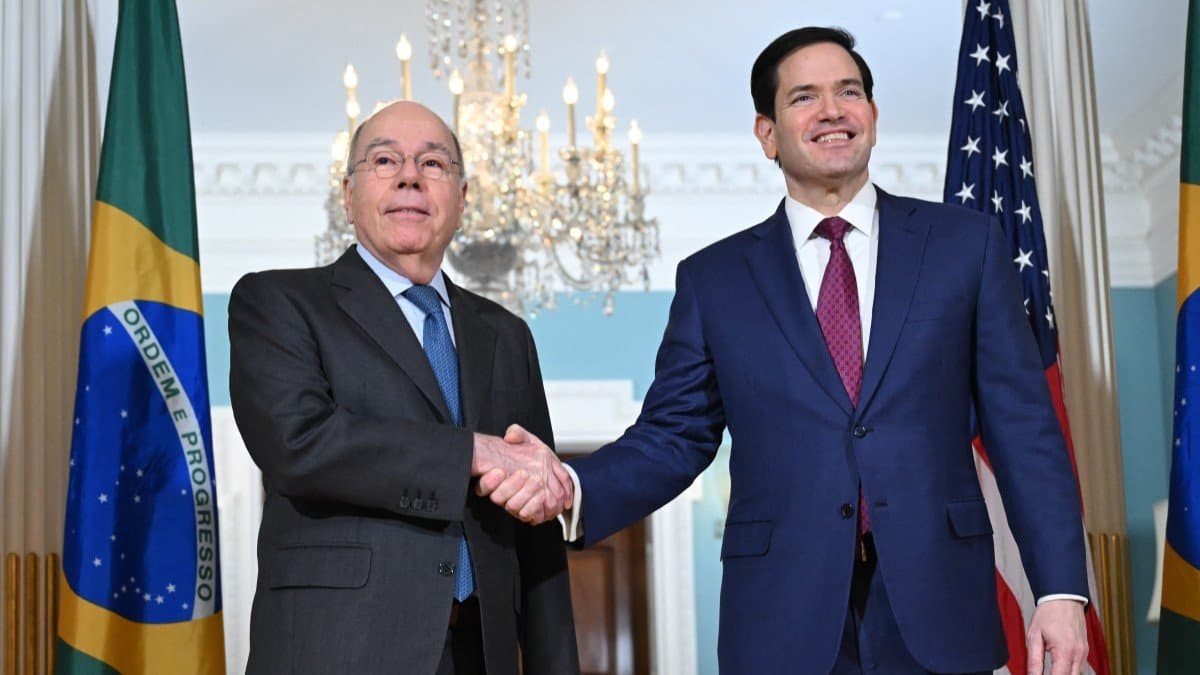
This became evident on Thursday, when Brazil's foreign minister, Mauro Vieira, confirmed that both Brasilia and Washington are already working on a tentative agreement aimed at unblocking the bilateral relationship affected since August, when President Donald Trump imposed tariffs of 50% on a wide range of Brazilian products.
Met with Brazilian Foreign Minister Mauro Vieira at the Department today. We discussed matters of mutual importance and a reciprocal framework for the U.S.-Brazil trade relationship. pic.twitter.com/SoJzYUvlF4
Two meetings in 24 hours with gradual progress
Vieira explained to the press on Thursday that he met in Washington with Secretary of State Marco Rubio, in the second meeting between the two in just over 24 hours.
The first meeting had taken place in Canada, on the sidelines of the G7 ministerial summit.
After the meeting, Vieira said Rubio "reaffirmed what had already been proposed in the technical meetings: to reach a tentative agreement by the end of this month or early next month, setting a road map for a negotiation that could last two or three months."
The goal, the senior Brazilian official said, is to resolve "all the issues still pending" in the bilateral relationship between Brazil and the US.
While Vieira was optimistic in his statements, the State Department merely reported in a very brief statement that Rubio and Vieira "discussed a reciprocal framework for the U.S.-Brazil trade relationship", without giving further details on the matter.
The reason for the clash: 50% tariffs
The deterioration of the relationship between Brazil and the US began in August, when Trump applied a 50% tariff—one of the highest in the world—on a large part of Brazilian exports.
The measure, which is affecting the economy of the South American giant, was interpreted in Brazil and the hemisphere as a punishment from Washington to the administration of socialist Lula da Silva, in the midst of the trial against the conservative former president Jair Bolsonaro, an ally of Trump, who was recently sentenced to 27 years in prison.
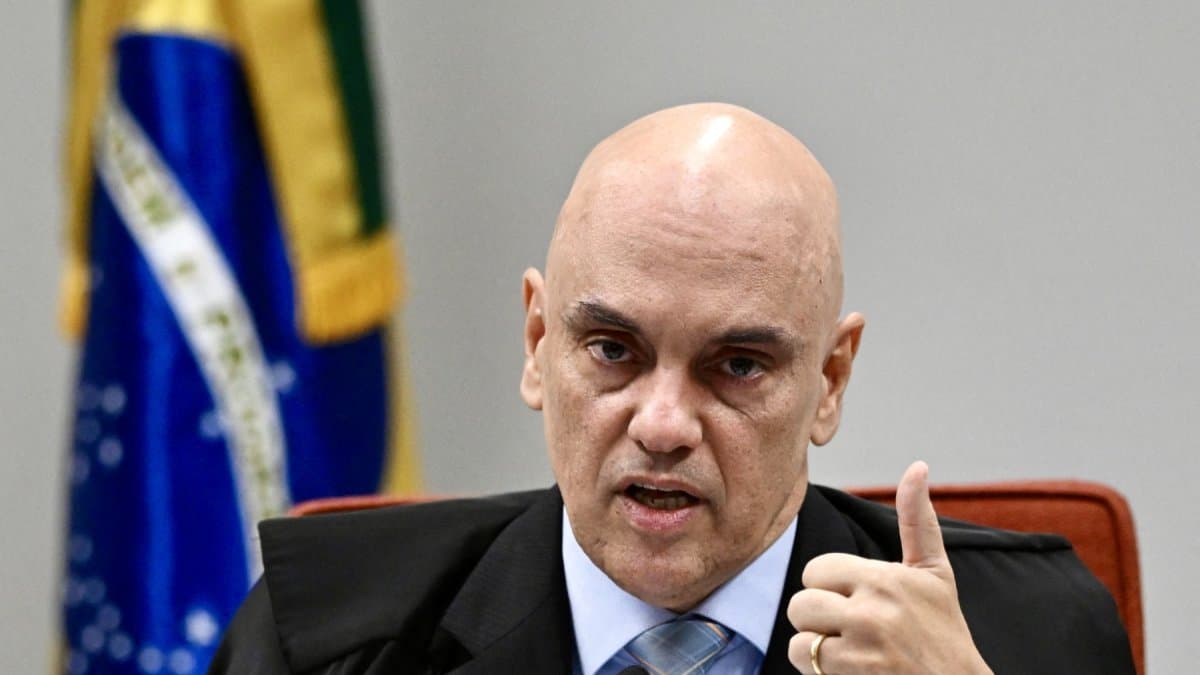
The situation was also interpreted as a move against the persecution of dissidence in the South American giant, where the controversial judge Alexander de Moraes, sanctioned by the US, has led punishments against Brazilian opposition leaders and also US companies such as 'X.'
The economic impact, although it affected Brazil, was not long in being felt in the United States either. Products such as coffee -key to trade between the two nations—registered significant increases: in August alone, the price of coffee in the US rose 21% year-on-year.
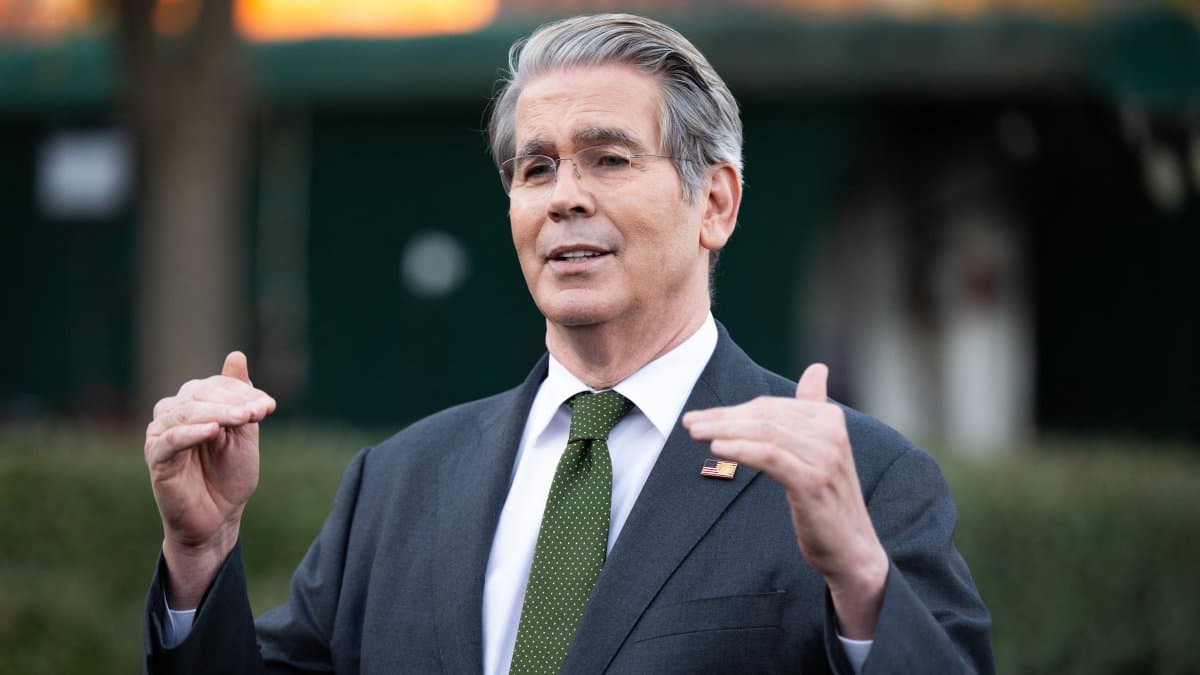
In fact, the Secretary of the Treasury, Scott Bessent, already anticipated this week that there will be a "substantial" announcement very soon on the price of coffee and bananas, two products especially affected by the new tariffs.
Brazil presents trade proposals while waiting for Washington
According to Minister Vieira, the negotiating teams have already exchanged trade proposals, and now it is up to Washington to respond to the latest offer presented by Brasilia. The delegations met again on Thursday in an extended session that lasted more than an hour and included diplomats, economic advisors, and high-level Brazilian officials.
While the tone between the two sides has been positive in recent weeks, the signals contrast sharply with the pace of other processes in the region, where governments are much more aligned with the Trump Administration's policies.
🛠 Do you think there is an error in this article?
Recommendations


LATEST