Netanyahu: Rubio's visit shows ‘strength’ of ties between Israel and US
The Israeli prime minister called Rubio an "extraordinary friend" of his country, on this second trip by the secretary of state to Jerusalem since taking office. The first was in February.
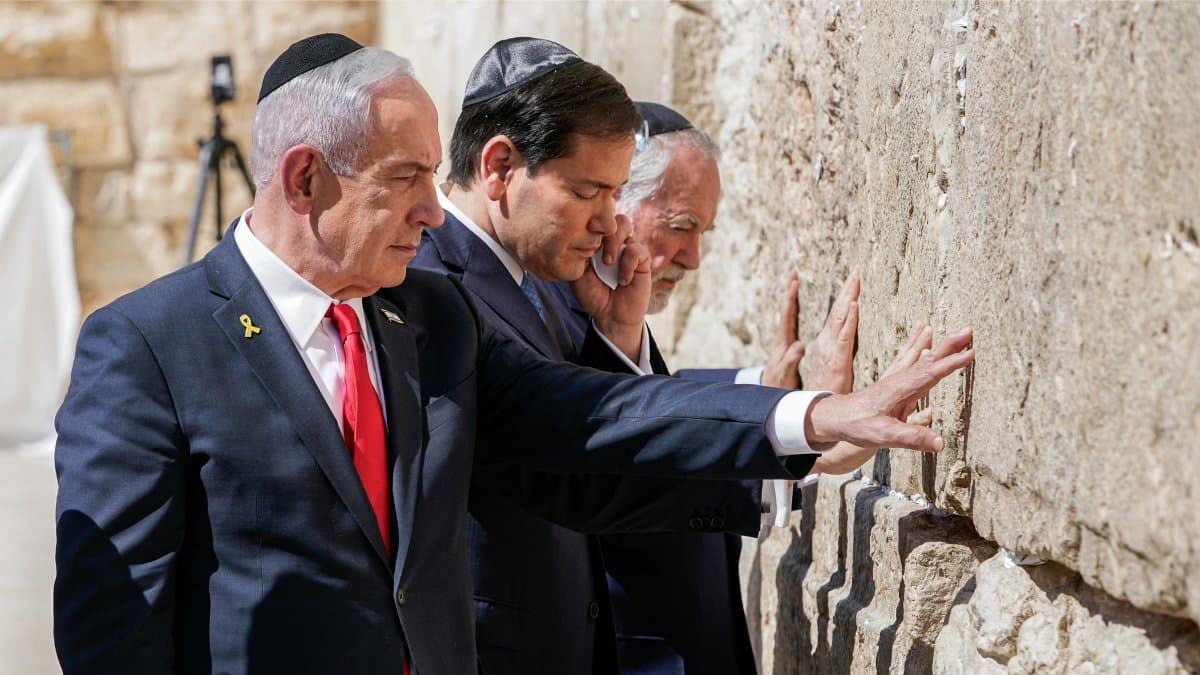

Israeli Prime Minister Benjamin Netanyahu asserted Sunday that the visit of top U.S. diplomat Marco Rubio to Israel demonstrates the "strength" of ties between the two countries.
Netanyahu called Rubio an "extraordinary friend" of his country, on this second trip by the secretary of state to Jerusalem since he took office. The first was in February.
"It's as strong, as enduring as the stones of the Western Wall that we just touched," Netanyahu told reporters after offering prayers at the religious site the Western Wall, alongside Rubio and Washington's envoy to Israel, Mike Huckabee.
ביקור רוביו בישראל: ראש הממשלה נתניהו ושר החוץ האמריקני הגיעו לכותל המערבי בירושלים @HGoldich pic.twitter.com/0b5grTWoj3
"My focus will be on securing the return of hostages"
In a social media post ahead of his flight, Rubio said his focus will be on "securing the return of hostages, finding ways to make sure humanitarian aid reaches civilians, and addressing the threat posed by Hamas."
"Hamas cannot continue to exist if peace in the region is the goal," he added in X's post.
No other details of Rubio's agenda have transpired so far, although he is expected to discuss Israel's plan to take control of Gaza City, the largest city in the Gaza Strip, some media outlets revealed.
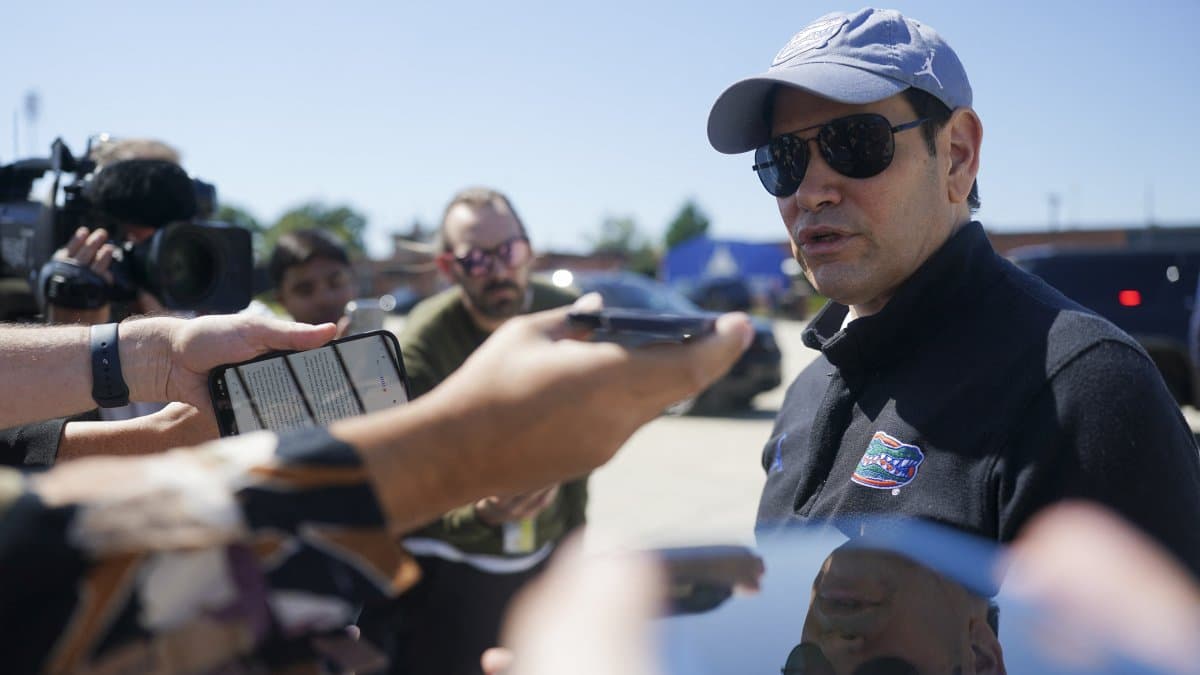
Rubio's visit
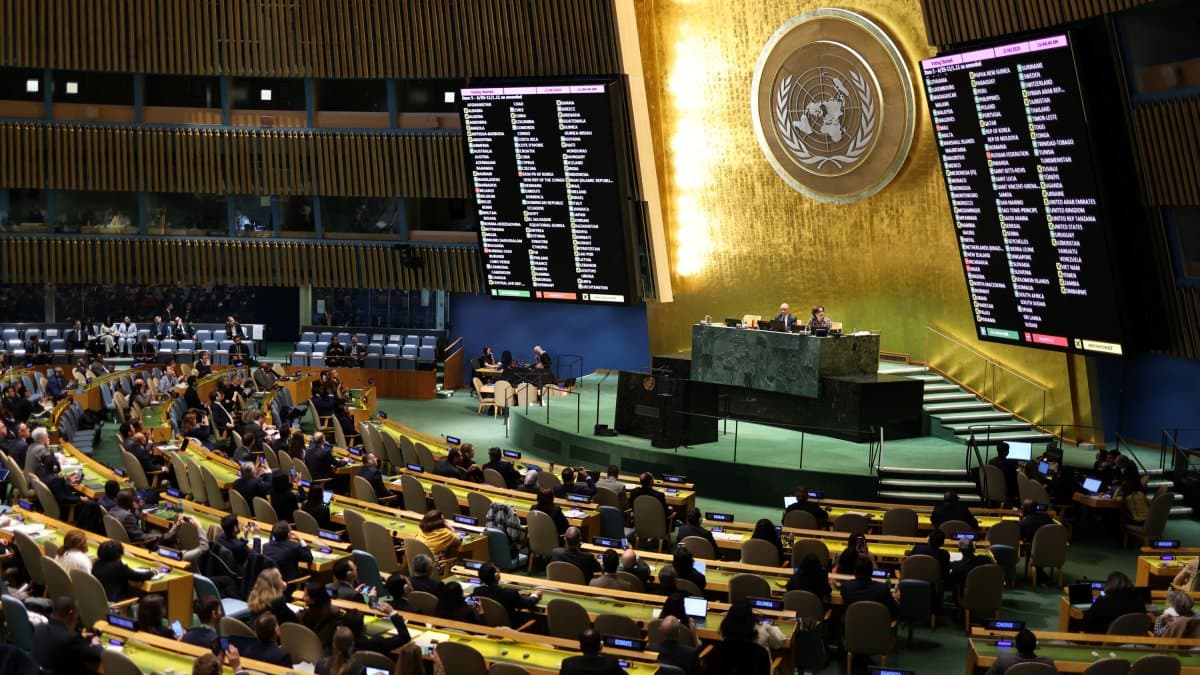
Last week the United Nations already approved the New York Declaration, an initiative promoted by France and Saudi Arabia that advocates a two-state solution to resolve the Israeli-Palestinian conflict, leading to the recognition of a Palestinian state and putting pressure on the issue.
🛠 Do you think there is an error in this article?
Recommendations





LATEST