U.S. prepares for possible attack on Iran as Gulf shipping falls off
Trump assesses military action following the failure of preliminary contacts with Tehran over its nuclear and ballistic missile program.
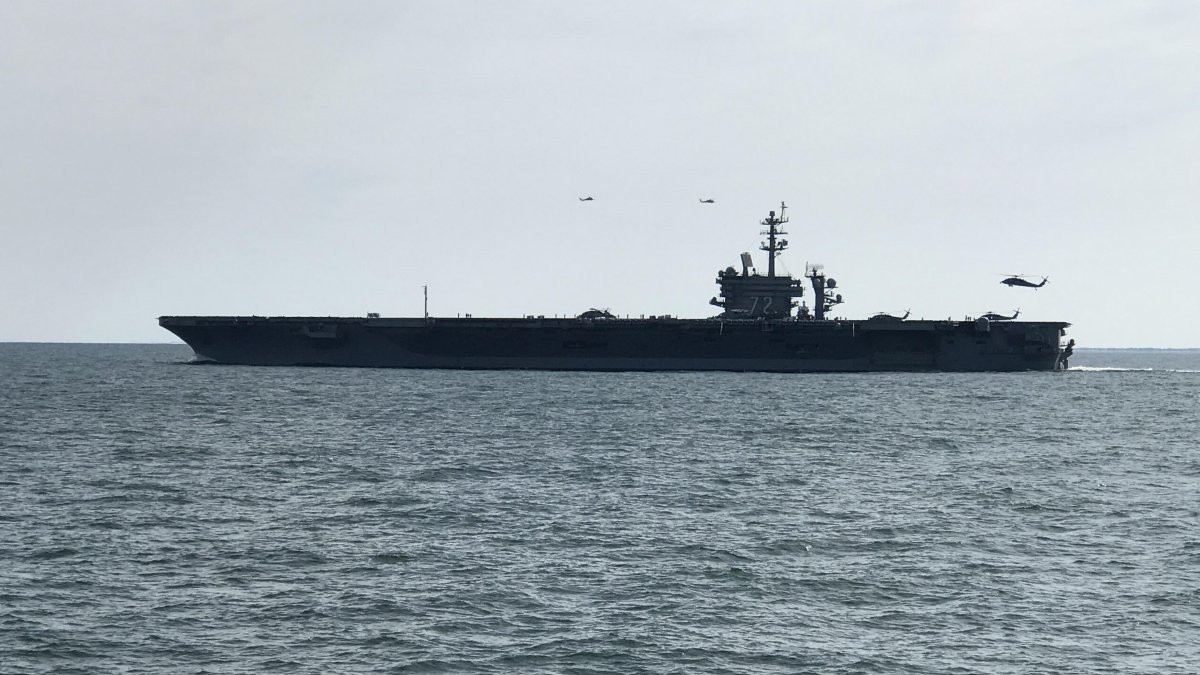
A USS Abraham Lincoln (CVN 72) in 2019.

President Donald Trump is evaluating a new large-scale military strike against Iran after preliminary contacts between Washington and Tehran to limit Iran's nuclear program and its production of ballistic missiles failed, CNN reported, citing people familiar with the matter.
The shift comes as tensions in the region are already having visible effects on international trade. Maritime traffic in the Persian Gulf slowed sharply this week, according to maritime intelligence assessments, amid signs that the United States is positioning military forces for a possible operation against Iran.
Talks stalled
Earlier this month, Washington and Tehran exchanged messages through indirect channels, including Omani diplomats, as well as contacts between Trump envoy Steve Witkoff and Iranian Foreign Minister Abbas Araghchi in an attempt to avoid U.S. military action. Although the possibility of a face-to-face meeting was briefly assessed, it never materialized.
According to the CNN report, people familiar with the process indicated that the U.S. raised preconditions for any meeting with Iranian officials. Among them: a permanent end to uranium enrichment, new restrictions on Iran's missile program, and the suspension of all support for Iran's allied groups in the region.
The major sticking point was the demand that Iran accept limits on the range of its ballistic missiles. Tehran refused to discuss that issue and maintained that it would only address its nuclear program. The United States did not respond to that position, leaving the dialogue at an impasse.
Trump warns of a more severe attack
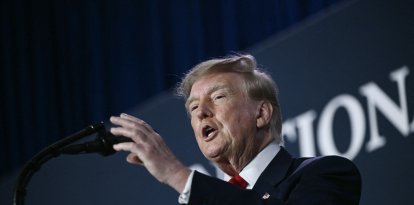
On Wednesday, Trump posted on Truth Social that he demands Iran sit down to negotiate "a fair and equitable deal—NO NUCLEAR WEAPONS." He also warned that the next U.S. attack would be "far worse" than the one carried out last summer when it struck three Iranian nuclear sites.
Although he has not made a final decision, the sources said, there are now more military options than at the beginning of the month, especially after the deployment of new forces in the region.
U.S. forces take position
.
The United States has also movedadditional air defense systems to the region, including Patriot batteries, and plans to deploy one or more THAAD systems. The Air Force, moreover, is preparing to conduct a multi-day exercise in the Middle East.

Opinion
Where is the EU? Refuses to Designate Iran's Brutal Islamic Revolutionary Guard Corps a Terrorist Organization
Nima Gholam Ali Pour
Maritime traffic in decline
In parallel, shipping in the Persian Gulf fell sharply. Analysts at Ambrey Intelligence pointed out that shipping companies have been advised to reduce their risk exposure, limit the number of vessels in the area and, in some cases, wait for further instructions away from Gulf ports.
There are currently five U.S.-flagged merchant ships and tankers in the Gulf. Two of them have already transited the Strait of Hormuz without incident, but those that remain in the area bound for the United States face a higher level of risk.
Iran responds with warnings
Iranian Foreign Minister Abbas Araghchi said the country's armed forces are ready to respond in an "immediate, all-out, and unprecedented" manner to any aggression against its territory, airspace or waters. Iran's Foreign Ministry noted that these statements are in direct response to Trump's threats.
LATEST