






India and EU seal historic trade deal to cut tariffs and expand trade
The pact will eliminate or reduce tariffs on 96.6% of European exports to India by value, which would double the bloc's exports to the Indian market by 2032 and generate estimated savings of €4 billion a year in tariffs for European companies.
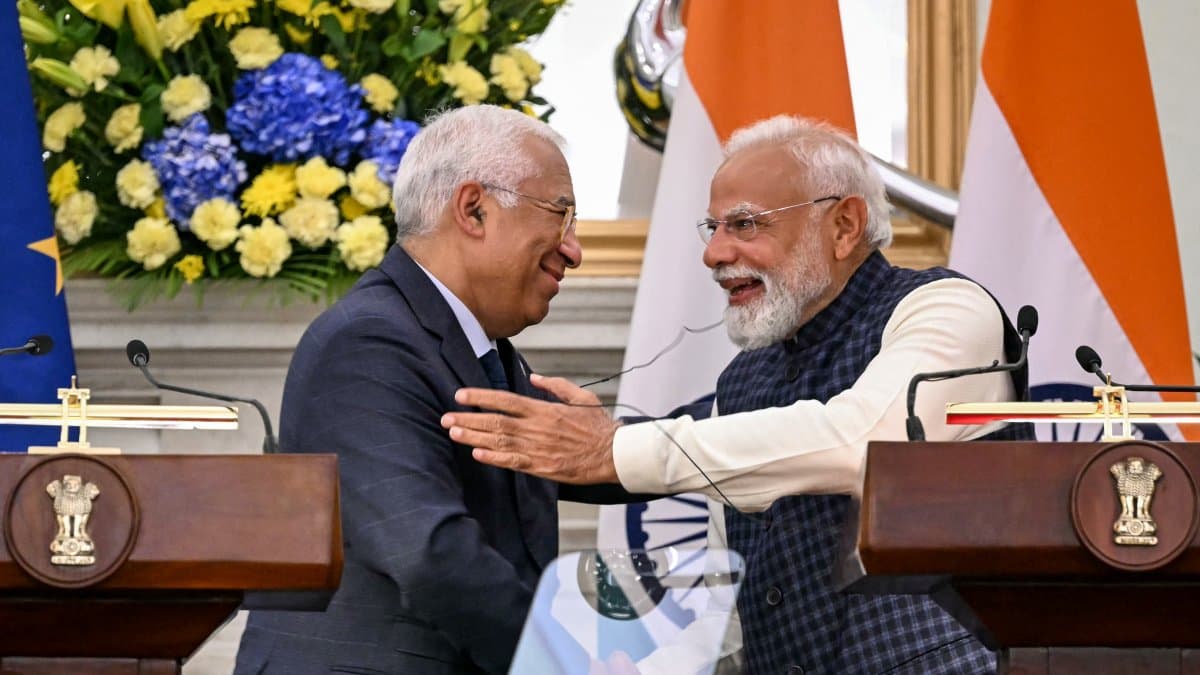

India and the European Union (EU) reached a long-delayed trade agreement on Tuesday that will reduce tariffs on the vast majority of goods traded between the two economies, with the aim of boosting bilateral trade and lessen dependence on the United States against a backdrop of rising global trade tensions, the two sides reported.
According to the EU, the pact will eliminate or reduce tariffs on 96.6% of European exports to India by value, which would double the bloc's exports to the Indian market by 2032 and generate estimated savings of €4 billion annually in tariffs for European companies.
For its part, the EU pledged to reduce tariffs to 99.5% of products imported from India over a period of up to seven years. Indian products such as textiles, leather, marine products, chemicals, rubber, base metals, gems and jewelry will be duty-free, according to the Indian Commerce Ministry.
However, both sides left sensitive agricultural products such as soybeans, beef, sugar, rice and dairy out of the deal, reported Reuters.
"Europe and India are making history today. This is just the beginning," said European Commission President Ursula von der Leyen, while Indian Prime Minister Narendra Modi called the pact "the mother of all deals," highlighting its impact for India's 1.4 billion people and millions of Europeans.
Today, the world’s two largest democracies launched a Security and Defence Partnership.
A platform for stranger cooperation on the strategic issues that matter most
- from defence industry to maritime security.
This is what trusted partners do. https://t.co/b4aLfWohLW
Opening up key sectors
One of the most relevant points of the agreement is the drastic reduction of Indian tariffs on European automobiles from up to 110% to just 10% within five years, benefiting manufacturers such as Volkswagen, Renault, Mercedes-Benz and BMW. Initially, levies will be reduced to 30%-35%, with an annual quota of 250,000 vehicles valued at more than €15,000.
India also agreed to reduce wine tariffs from 150% to 75% immediately, and gradually to 20%, while taxes on spirits will drop to 40%.
Geopolitical context and next steps
The trade between India and the EU reached $136.5 billion in the fiscal year that ended in March 2025, surpassing India's trade with the United States and China.
The formal signing of the agreement will follow a legal review that could take five to six months, with implementation expected within a year, according to Indian officials. However, the ratification process in Europe could face political hurdles, as happened with the EU-Mercosur agreement.
On environmental issues, the EU did not grant immediate relief to Indian companies affected by its carbon tax (CBAM), although it offered 500 million euros in financial support over the next two years to help India reduce greenhouse gas emissions.
🛠 Do you think there is an error in this article?
Recommendations



LATEST