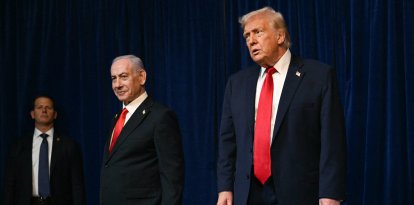
Trump announces tariff hikes on South Korean goods of up to 25%
The decision marks an apparent reversal of a trade and security agreement reached months earlier following a meeting between Trump and South Korean President Lee Jae-myung in October. That understanding included investment pledges by South Korea and the maintenance of U.S. tariffs of up to 15%.
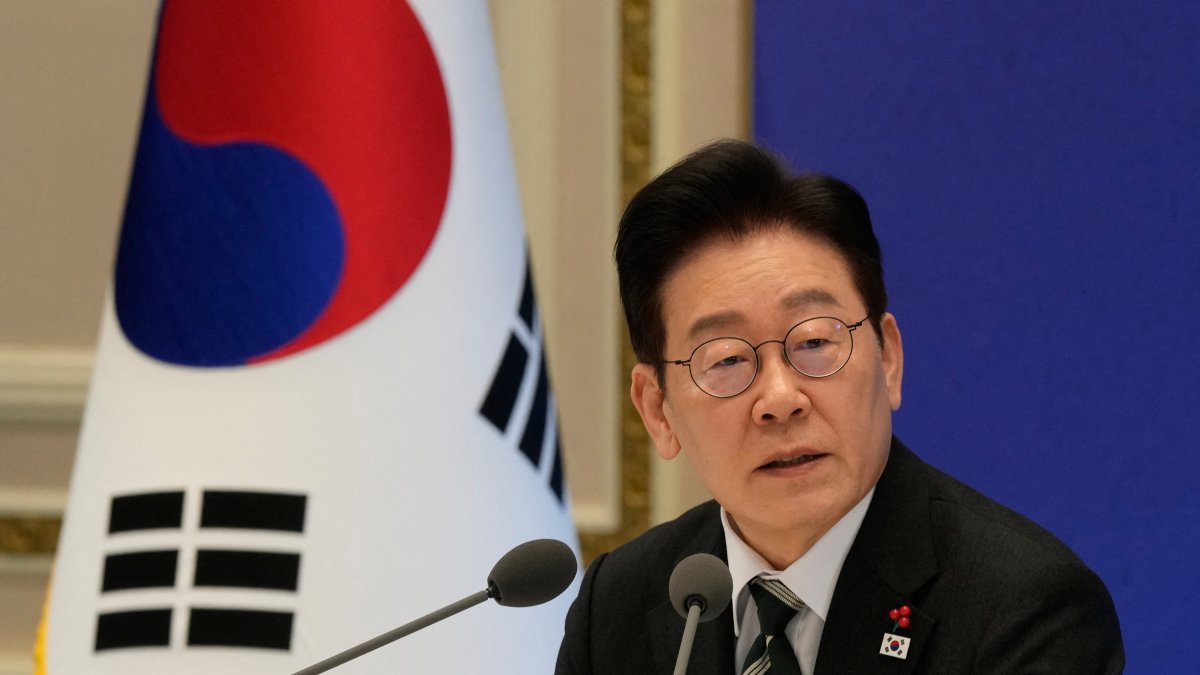
South Korea's President Lee Jae Myung

President Donald Trump announced an increase in tariffs on products from South Korea from 15% to 25%, a move that affects key sectors such as vehicles, wood products and pharmaceuticals, and which generated an immediate response from the South Korean government.
Following the announcement, Seoul convened emergency meetings to assess the impact and define a response strategy. Trade and Industry Minister Kim Jung-kwan, who is visiting Canada, participated remotely in the meetings.
Trump communicated the decision on Monday via his Truth Social social network, where he argued that the South Korean Parliament has failed to enact what he called a "historic trade agreement."
"Because the Korean Legislature hasn't enacted our Historic Trade Agreement, which is their prerogative, I am hereby increasing South Korean TARIFFS on Autos, Lumber, Pharma, and all other Reciprocal TARIFFS," the president wrote.
In an official statement, the South Korean government said it will seek to convey to Washington its commitment to the implementation of the trade agreement, while responding "in a calm and measured manner."
The South Korean presidential office confirmed that Kim Jung-kwan will soon travel to Washington to meet with U.S. Commerce Secretary Howard Lutnick to address the dispute.
A turnaround after the bilateral agreement
The announcement marks an apparent reversal of a stance on the trade and security agreement reached months earlier, following a meeting between Trump and South Korean President Lee Jae-myung in October. That understanding included investment pledges by South Korea and the maintenance of U.S. tariffs of up to 15%.
Under that pact, the United States had reduced tariffs on South Korean cars from 25%, a level to which Trump is now threatening to return.
The automotive industry accounts for about 27% of South Korea's exports to the United States, which receives nearly half of South Korean vehicle shipments.
Seoul officials have maintained that the agreement did not require legislative approval as it is a memorandum of understanding and not a legally binding treaty, although a senior official acknowledged that the issue is still being evaluated.
Context of trade tensions
So far, the U.S. administration has not issued formal notifications to implement the new levies.
The warning against South Korea adds to a series of recent trade threats from President Trump. Over the weekend, he warned Canada of possible 100% tariffs if it deepens deals with China, and in early January issued similar warnings against European countries, though he later withdrew them during the World Economic Forum in Davos.
LATEST