China is taking advantage of the decline in Indian demand for Russian oil to expand its purchases from the Kremlin
This change in the oil market comes against a backdrop of geopolitical tensions and threats of sanctions from the United States.
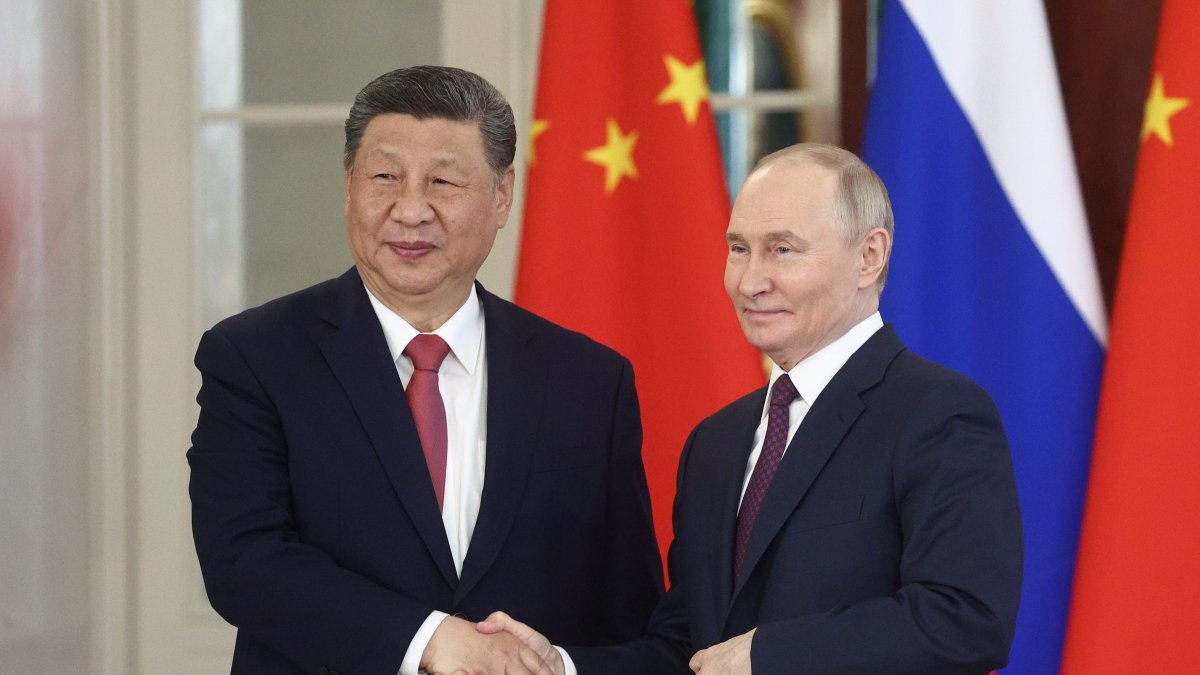
Chinese President Xi Jinping with his Russian counterpart Vladimir Putin (file image).

In a strategic move, Chinese refiners have increased their purchases of Russian oil for deliveries in October and November 2025, taking advantage of a drop in demand from India, according to industry experts. This change in the oil market comes against a backdrop of geopolitical tensions and threats of sanctions by the United States, adding uncertainty to commercial operations.
According to a report published by Reuters, China has secured at least 15 cargoes of Russian crude, mainly of the Urals variety, for the next two months. Each cargo has a volume of between 700,000 and 1 million barrels, according to analysts at Energy Aspects and Kpler. The acquisition comes in response to a decline in Russian oil imports by India, which had been the main buyer of seaborne crude from Russia since several Western countries imposed restrictions on Moscow's exports following the invasion of Ukraine in 2022.
India's interest in Russian oil waned last July as discounts offered by Russia became less attractive. Indian state refiners have cut imports by about 600,000 to 700,000 barrels per day, according to estimates by Richard Jones, an analyst at Energy Aspects, noted Reuters. This has opened up an opportunity for China, the world's largest oil importer, which is already the main buyer of Russian crude, especially of the ESPO type, exported from the port of Kozmino in Russia's far east.
However, increased purchases of Urals and Varandey crude, varieties typically destined for India, could have an impact on the global market. According to Xu Muyu, senior analyst at Kpler, the increased availability of Russian oil could reduce Chinese demand for Middle Eastern crude, which is $2 to $3 more expensive per barrel. This, in turn, could put pressure on the Dubai market, which already faces challenges due to lower seasonal demand and increasing competition from arbitrage supplies.

Uncertainty over Trump's secondary sanctions threat
Despite this opportunity, Chinese refineries, both state-owned and independent, face certain risks as they are not designed to exclusively process Urals crude, which limits their ability to absorb all the additional volume from Russia, according to Jones. In addition, the threat of secondary sanctions by the United States, led by President Donald Trump, generates caution. The president has indicated that he could impose retaliatory tariffs on countries that buy Russian oil, although he indicated last Friday that he did not consider immediate action necessary, but could do so in the coming weeks if peace negotiations in Ukraine do not progress.
The China-Russia oil trade landscape reflects a delicate balance between economic opportunities and geopolitical risks. While Chinese refiners seek to take advantage of competitive Russian crude prices, the possibility of U.S. sanctions could disrupt this trade flow in the short term.
Coast Guard warns of 'increased activity' by Chinese vessels in the US Arctic
The development, described as part of a three-year trend of increased activity, underscores the growing strategic competition in the Arctic, according to the official statement from coastal authorities.
LATEST