Cuba reaches a new record of 1,176 political prisoners in July
In July, the list of political prisoners grew with the addition of 25 new cases, while seven casualties were recorded: six for serving time and one for the death of Yan Carlos Gonzalez, who died after a prolonged hunger strike in protest against his arbitrary imprisonment and inhumane prison conditions.

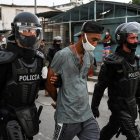
Cuban political prisoners leave prison (Archive).

Cuba has registered a new record of 1,176 political prisoners and prisoners of conscience at the close of July this year, according to the latest report by the organization Prisoners Defenders.
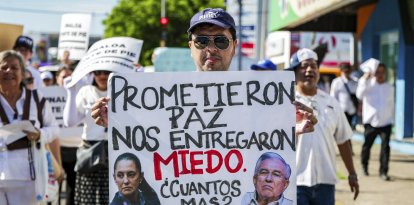
This increase is due to the intensification of the Cuban regime's systematic repression against citizens peacefully demonstrating for freedom, human rights and in response to the severe crisis of basic services such as clean water, food, electricity and medical care.
In July, the list of political prisoners grew with the addition of 25 new cases, while seven casualties were recorded: six for serving their sentences and one for the death of Yan Carlos Gonzalez, who died after a prolonged hunger strike in protest against his arbitrary imprisonment and inhumane prison conditions.
Among the new prisoners, 17 were detained during the peaceful protests of March 2024 in Granma province, motivated by the economic crisis, blackouts lasting more than 15 hours, and shortages of food and medicine. These detainees, which include three members of the same family, face sentences of between two and seven years of imprisonment, imposed without judicial protection.
The report highlights that demonstrations in Cuba have evolved from one-off events to a form of sustained resistance against a regime that does not offer solutions to citizens' demands and instead resorts to repression to silence discontent.
Notable cases include that of Luis Angel Cuza Alfonso, journalist and activist of the Movement Opponents for a New Republic (MONR), transferred to the maximum security prison Combinado del Este in Havana, falsely accused of "illegal possession of weapons" and "acts against State Security."
Also included is Ricardo Román Suárez Marrero, a former lieutenant colonel of the Ministry of the Interior who, after retiring and publicly criticizing the regime, was sentenced to 18 years for "espionage" and "contempt" in a military trial without judicial guarantees.
The Cuban judicial system
The Cuban penal system, described by Prisoners Defenders as a "repressive theater," lacks judicial independence. The "courts" and the "Prosecutor's Office" operate under the control of the single party, imposing precautionary measures and sentences without due process.
In this context, 124 women remain among the political prisoners, 45 of them in prisons under inhumane conditions, facing torture, lack of medical care, and harassment of their families.
In addition, 33 minors, including 30 still serving sentences, are on the list, many prosecuted for "sedition" with average sentences of five years.
The report also notes that five political prisoners released between January and March of this year under agreements with the Catholic Church were returned to prison for failing to comply with the restrictive conditions of the prison-domiciliary regime. Among them is José Daniel Ferrer García, leader of the Patriotic Union of Cuba (UNPACU), recognized as a prisoner of conscience by Amnesty International.
With 1,869 political prisoners registered since July 2021, Cuba faces an unprecedented human rights crisis, compounded by a lack of fundamental freedoms and a judicial system designed to perpetuate repression.
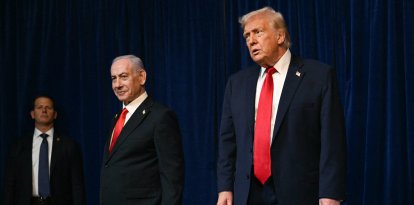
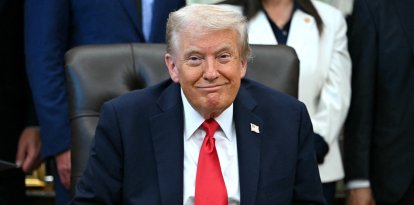
Trump tightens the screws with sanctions on Cuban regime
The memorandum prohibits financial transactions with entities controlled by the Cuban military, such as GAESA, and reinforces the economic embargo, rejecting its lifting in international forums. In addition, it seeks to promote human rights, freedom of the press, Internet access, and an independent private sector, supporting the Cuban people in the face of socialist repression.
The measure prohibits U.S. tourism to Cuba, with audits to ensure compliance, and orders to investigate illegal detentions and inhumane treatment by the regime, in addition to tracking fugitives from U.S. justice on the island.
In that line, it maintains the elimination of the "Wet Foot, Dry Foot" policy to curb irregular migration. This memorandum, which follows the reincorporation of Cuba to the list of state sponsors of terrorism, reflects Trump's commitment to "fostering a free and democratic Cuba," according to the White House, fulfilling his pledge to support the Cuban people in their struggle for justice and freedom.
LATEST