US formalizes trade investigation against Brazil following Trump's tariff threat
The initiation of the investigations comes after the U.S. president threatened 50% tariffs on Brazilian products.
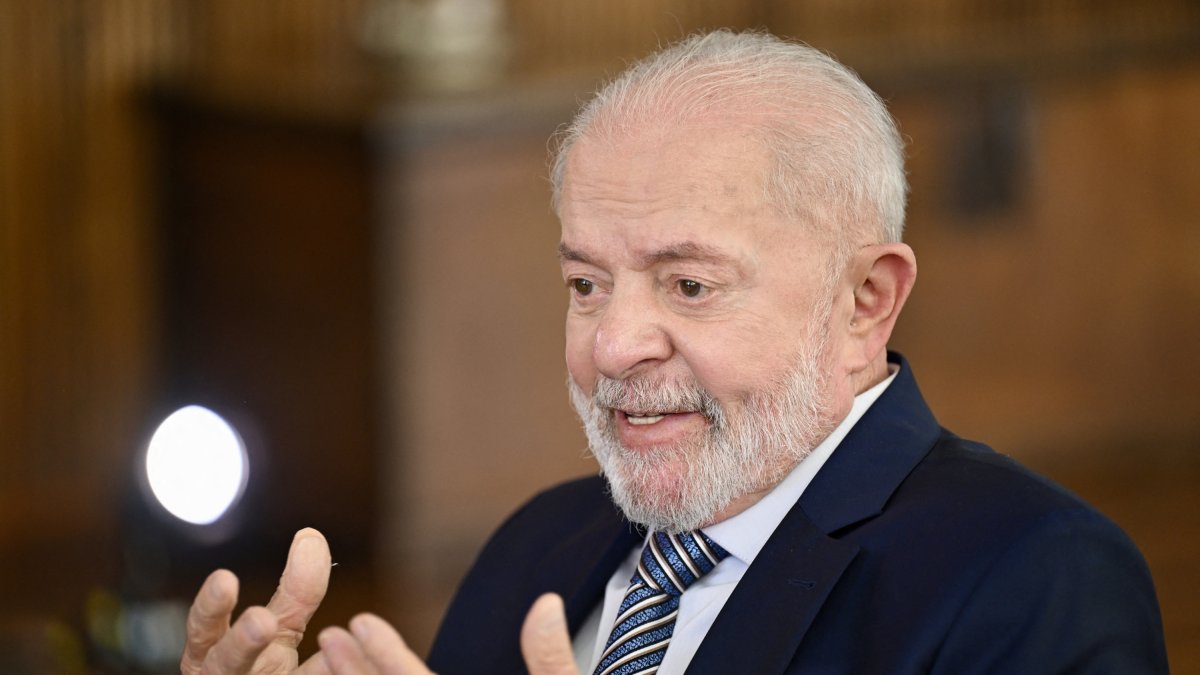
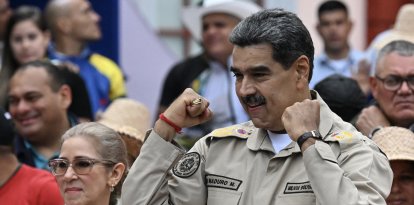
Brazilian President Luiz Inácio Lula da Silva in a file image

The Trump administration on Tuesday announced a formal trade investigation against Brazil, just days after the president announced his intention to apply a 50% tariff on all Brazilian imports as of Aug. 1.
The measure, announced by the Office of the United States Trade Representative (USTR), comes as tension grows between Brasilia and Washington, with President Trump leading a tariff war amid tough diplomatic and trade negotiations. Brazilian President Lula de Silva, a socialist, has already announced that he will undertake tough measures against the U.S. if the high tariff comes into force.
According to the USTR, the investigation will evaluate in depth whether Brazilian policies such as tariffs on American products and barriers to digital trade constitute unfair practices that affect American companies, workers and agricultural producers. Restrictions on the ethanol market will also be evaluated.
The decision comes after a direct claim by President Trump, who days ago harshly criticized Lula da Silva's government and Brazil's institutions for the judicial process against former president Jair Bolsonaro, his ally.
"They’re treating President Bolsonaro very unfairly. He’s a good man," Trump said Friday. “I shouldn’t like him because he was very tough in negotiation, but he was also very honest. And I know the honest ones, and I know the crooked ones.”
World
Guerra comercial: Lula da Silva promete un contraataque a los aranceles de Trump
Santiago Ospital
Trump also accused Brazil of discriminating against American tech companies.
Bolsonaro faces trial for attempting a coup. The conservative leader's defenders and allies claim it is a political persecution.
In addition to the reasons put forward by Trump, experts in trade relations, such as National Economic Council Director Kevin Hassett, intuit that the tariff measure and the trade investigation may be a direct punishment for the South American country for acting as a close trade ally of China to avoid sanctions.
The investigation, according to The New York Times, could generate additional sanctions against Brazil if it is concluded that its policies violate commitments made in international agreements.
For the moment, as Aug. 1 approaches, it is clear that the rift between Washington and Brasilia, especially between the Trump and Lula administrations, is increasingly marked.
LATEST