Why are fires like 'Sandy,' which is threatening homes near Los Angeles, given names?
This naming system is common in the country and allows for clear differentiation of each fire during the fire season. Generally, fires are named after a street, trail, natural feature or nearby locality, facilitating coordination between emergency crews and public communication through official media and reports.
Sandy Fire

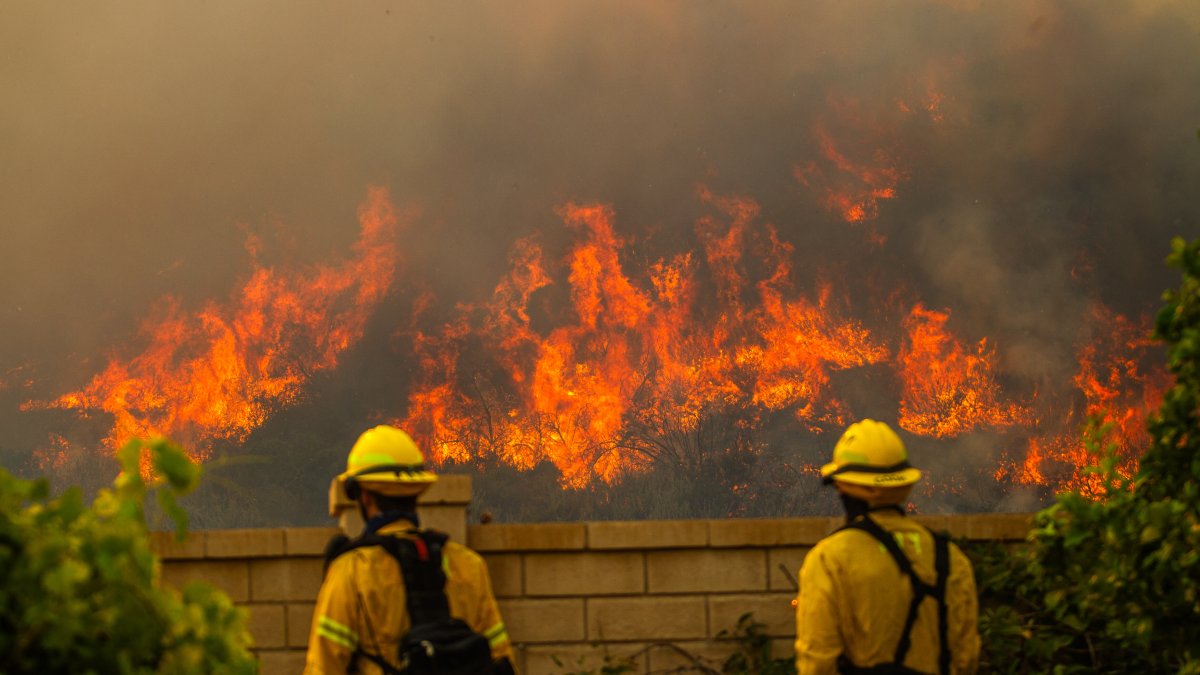
The wildfire affecting Simi Valley, northwest of Los Angeles, was named “Sandy” because authorities usually name these types of emergencies based on a geographic point near the location where they are first detected. In this case, the fire was initially reported in the vicinity of Sandy Avenue, which is why it received that official identification.
This naming system is common in the country and allows for clear differentiation of each fire during the fire season. Generally, fires are named after a street, trail, natural feature or nearby locality, facilitating coordination between emergency crews and public communication through official media and reports.
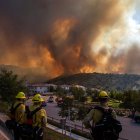
The fire outside Los Angeles forced authorities to issue evacuation orders for some 29,000 people on Monday, with no major damage or casualties reported so far, according to AFP.
The fire dubbed Sandy broke out Monday morning near Simi Valley, a residential town in Ventura County located about 35 miles northwest of downtown Los Angeles. By Tuesday, it already became the third largest wildfire in California so far this season.
Driven by strong winds of up to 35 mph, the flames quickly spread across the region's hills and caused thick plumes of smoke that darkened the sky.
More than 750 firefighters in the area
Authorities have opened an investigation to clarify the origin of the fire, which follows an unusually warm winter that has contributed to dry conditions. In March, in addition, a heat wave broke temperature records for this time of year in several parts of Southern California.
LATEST