NATO chief denies Sánchez: 'Spain is not exempt from spending 5% of its GDP on defense'
The Spanish leader released a letter signed by Rutte stating that the summit will grant the country "flexibility" on its expenditures.
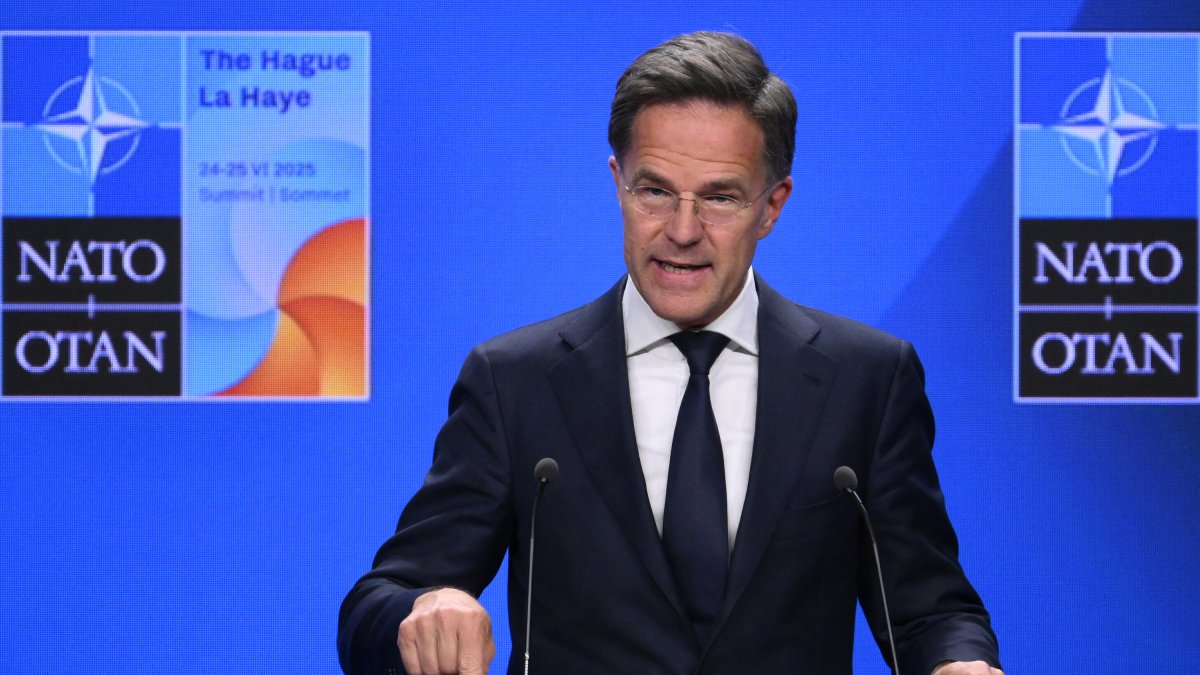
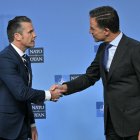
Mark Rutte, NATO secretary general.

North Atlantic Treaty Organization (NATO) Secretary-General Mark Rutte said Monday that the agreement to increase military spending to 5% of gross domestic product (GDP) allows no exceptions, despite Spain’s statement that it will not be required to meet that target.
"There is no exception clause," Rutte said on the eve of the NATO summit. However, Spain released a letter signed by Rutte stating that the summit will grant Spain "flexibility" on its spending.
Spain insists that it will not "have to reach 5% in defense"
Spanish Prime Minister Pedro Sanchez, citing a NATO letter as endorsement, insisted earlier Monday that his country will not be required to increase defense spending to 5% of GDP, despite opposition from Atlantic Alliance diplomats.
Sanchez posted on X a letter signed by the secretary general of the alliance, dated Sunday.
The politician, recently embroiled in several corruption scandals involving his closest collaborators, also posted a video reiterating that "Spain has reached a historic agreement with NATO that will allow it to remain a key member of the alliance and contribute proportionally to its capabilities, without having to increase its defense spending, nor reach 5% of GDP."
">España ha logrado un acuerdo histórico con la OTAN que le permitirá seguir siendo un miembro clave de la Alianza y contribuir de forma proporcional a sus capacidades, sin tener que aumentar su gasto en defensa, ni alcanzar el 5% del PIB.
— Pedro Sánchez (@sanchezcastejon) June 22, 2025
Tenemos que proteger Europa. Pero también… pic.twitter.com/jYc2Ilneaw
Sanchez sparks confusion
According to diplomats consulted in Brussels, NATO countries have agreed to increase military spending by up to 3.5% of GDP over the next decade, plus an additional 1.5% for broader defense-related expenditures.
However, Spain caused confusion this weekend by claiming that not all allies are bound by these commitments.
At NATO headquarters in Brussels, no exceptions appear to be considered. According to several diplomats speaking to AFP, the Spanish government only secured an extension of the deadline to reach the 5% target—from 2032 to 2035.
Pedro Sanchez had previously expressed his refusal to raise defense spending to 5% of GDP, calling it a "disproportionate and unnecessary" target. On Sunday, he argued that allocating 2.1% of GDP to defense is sufficient.
This issue once again puts the Socialist leader between a rock and a hard place, as his coalition partner, the far-left Sumar party, is strongly opposed to increased military spending.
Germany confirms increase in defense spending
Military spending in Germany will reach 2.4% of GDP this year, up from the current 2%, and is expected to rise to 3.5% by 2029. This aligns with one of the targets NATO countries are set to adopt at this week’s summit in The Hague. In addition, an extra 1.5% of GDP is planned for broader security spending, bringing the total possible target to 5%, according to the military alliance.

Politics
US demands that all countries, including Spain, increase their defense contributions to NATO
Sabrina Martin
The Summit in The Hague
NATO will hold a summit this week in The Hague, Netherlands, where member countries plan to approve increasing national military spending to 5% of GDP over the coming years.
The agreement being pursued at this summit "introduces a new floor of 5% of each GDP to be invested in defense. It is an ambitious, historic and fundamental leap forward," Rutte said at a press conference.
However, the secretary reiterated that the agreement allows no exceptions, indicating that all 32 alliance members will be committed to significantly increasing their military spending.
The initiative to increase defense spending was proposed by the United States several weeks ago.
LATEST