Pete Hegseth: NATO "very close" to agreeing on 5% defense spending
The defense secretary said the allies will be able to commit to a new military investment floor by the end of the month. Spain is the most vocal opponent.
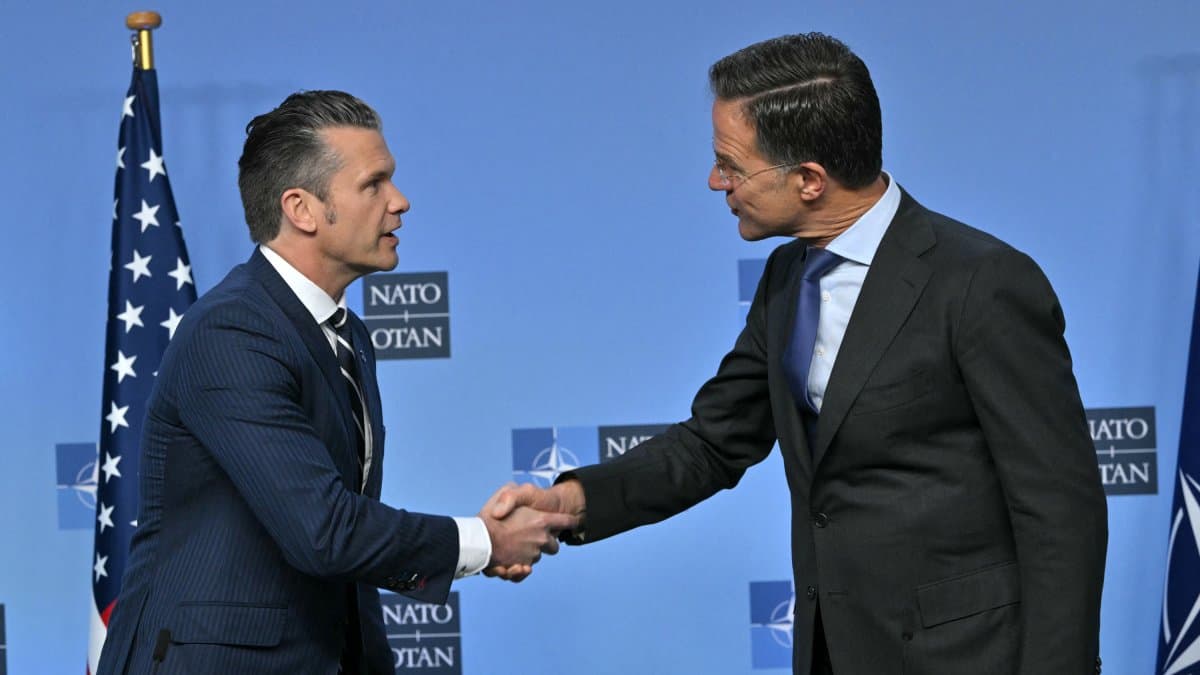

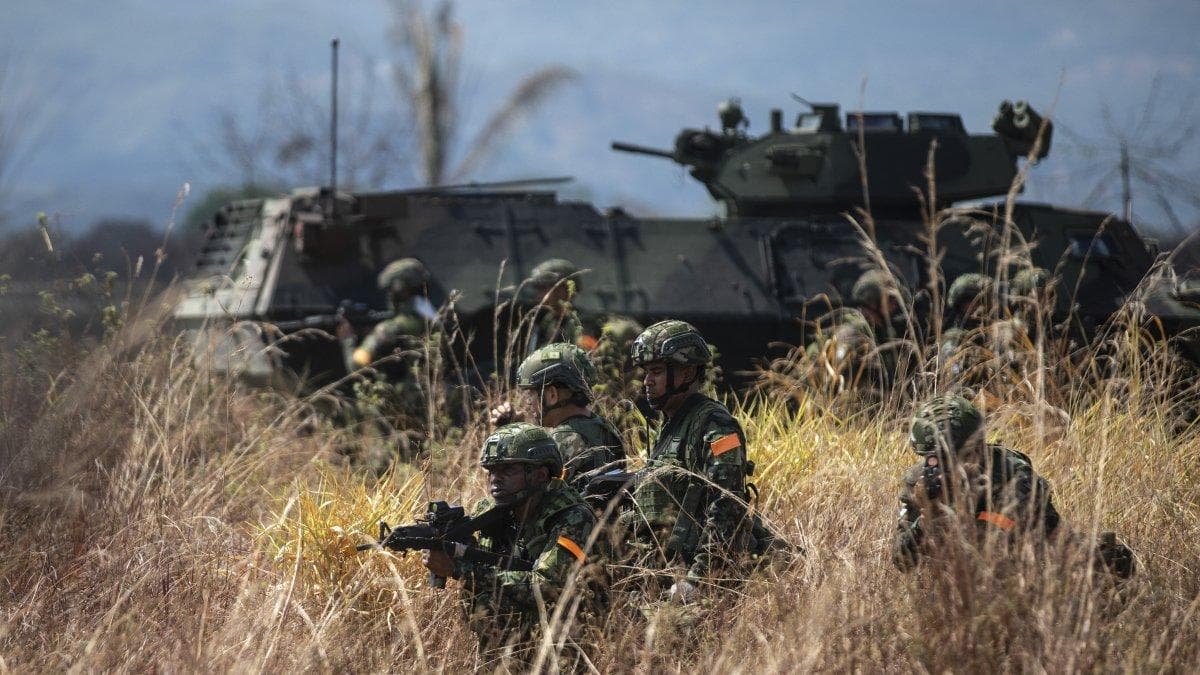
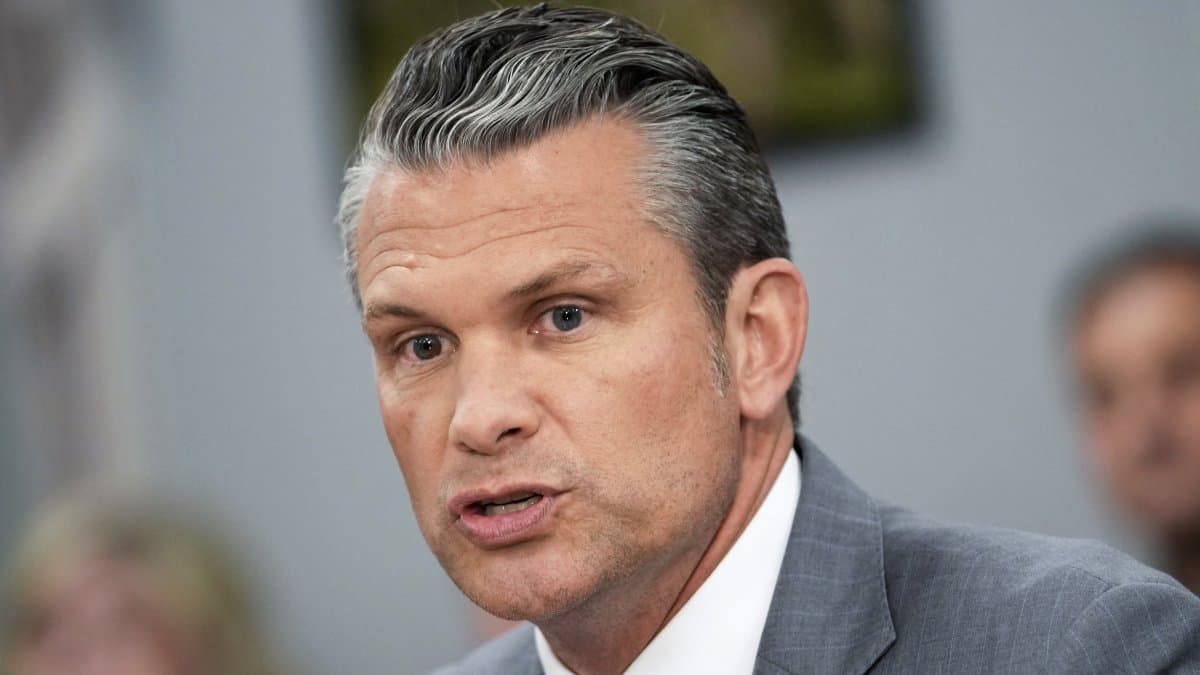
Defense Secretary Pete Hegseth said Thursday that the North Atlantic Treaty Organization(NATO) allies are "very close" to reaching a common commitment to raise defense spending. The goal, with which Hegseth entered a meeting of the group prior to his remarks, is for each country to raise the minimum investment to 5% of its gross domestic product (GDP).
The current target is 2%. Hegseth celebrated that some members "are well exceeding" that percentage, although he acknowledged about the 5% consensus "there are a few countries that are not quite there yet." "I won't name any names," he added, before promising, "We'll get them there."
One of those countries is Spain. According to reports by Spanish media, the government of Pedro Sanchez is the only one to openly oppose the new target. Although this year Sanchez pledged to reach 2% of GDP, he has resisted the new target. He disapproves, in particular, to the plan diagrammed by NATO secretary general, Mark Rutte: 3.5% in direct military spending and 1.5% in defense-related spending, such as infrastructure.
"We need more resources, forces and capabilities so that we are prepared to face any threat, and to implement our collective defence plans in full," Rutte himself said before the meeting. "We will need significantly higher defence spending, that underpins everything."
The secretary general's plan received Washington's endorsement, although he asked for details of how he intends to meet the objectives. Sources familiar with Thursday's closed-door discussions told AFP that some reluctant countries are asking for longer deadlines, suggesting annual increases of 0.2 points.
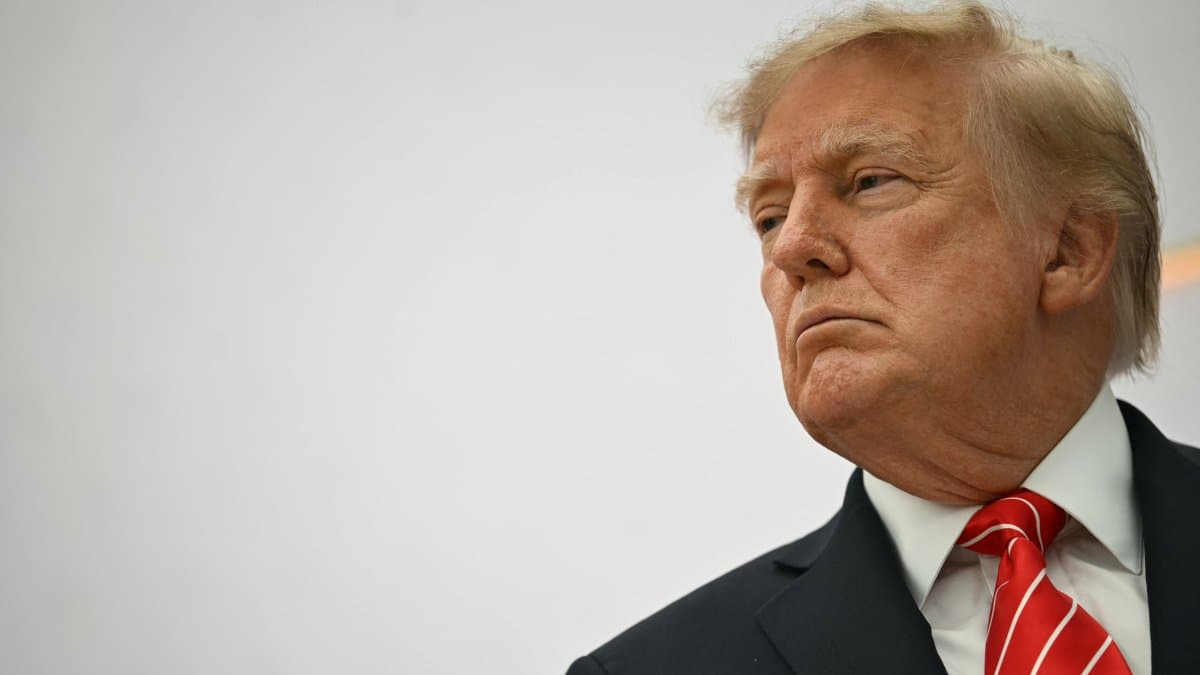
Hegseth emphasized the Trump Administration's position: "Our message is going to continue to be clear. It's deterrence and peace through strength, but it can't be reliance. It cannot and will not be reliance on America in a world of a lot of threats."
Hegseth emphasized the Trump administration’s position: “Our message will remain clear. It is deterrence and peace through strength—but it cannot be about dependence. It cannot and will not be dependence on the United States in a world with so many threats.”
Following the meeting of senior officials in Brussels, Belgium, the U.S. secretary said the consensus will be sealed by the end of the month, at a summit planned in The Hague.
War in Europe
The Department of Defense cited scheduling problems. However, European analysts said it reflected a rift between Washington and Kiev.
The White House is trying to negotiate a peace deal. U.S. officials, however, have shown signs of weariness. The war continues meanwhile with increasing Ukrainian operations inside Russian territory, at the same time as both sides agree on prisoner exchanges.
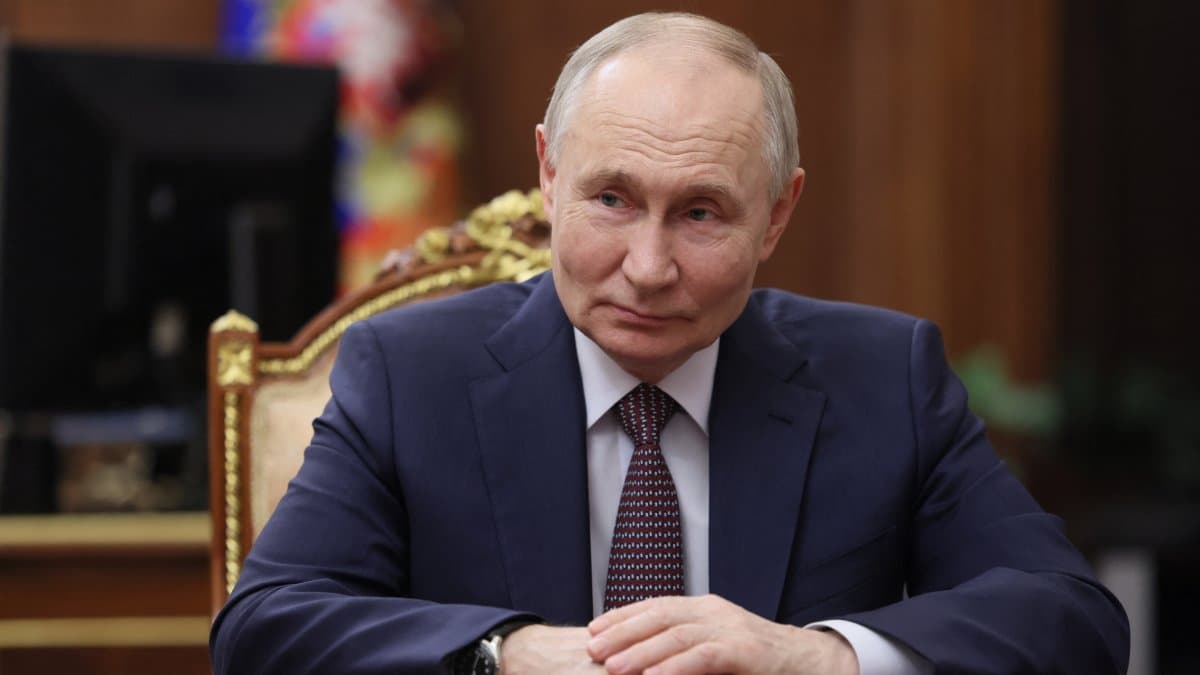
In the last few hours, Donald Trump held talks with Vladimir Putin for more than an hour. In a Truth Social, deleted minutes later, Trump said it had been "a good conversation, but not a conversation that will lead to immediate peace."
🛠 Do you think there is an error in this article?
Recommendations


LATEST