






The Telegraph warns Starmer about Spain's socialist nightmare
According to a British newspaper, the failed leftist policies of the Spanish government may serve as a warning to Labour.
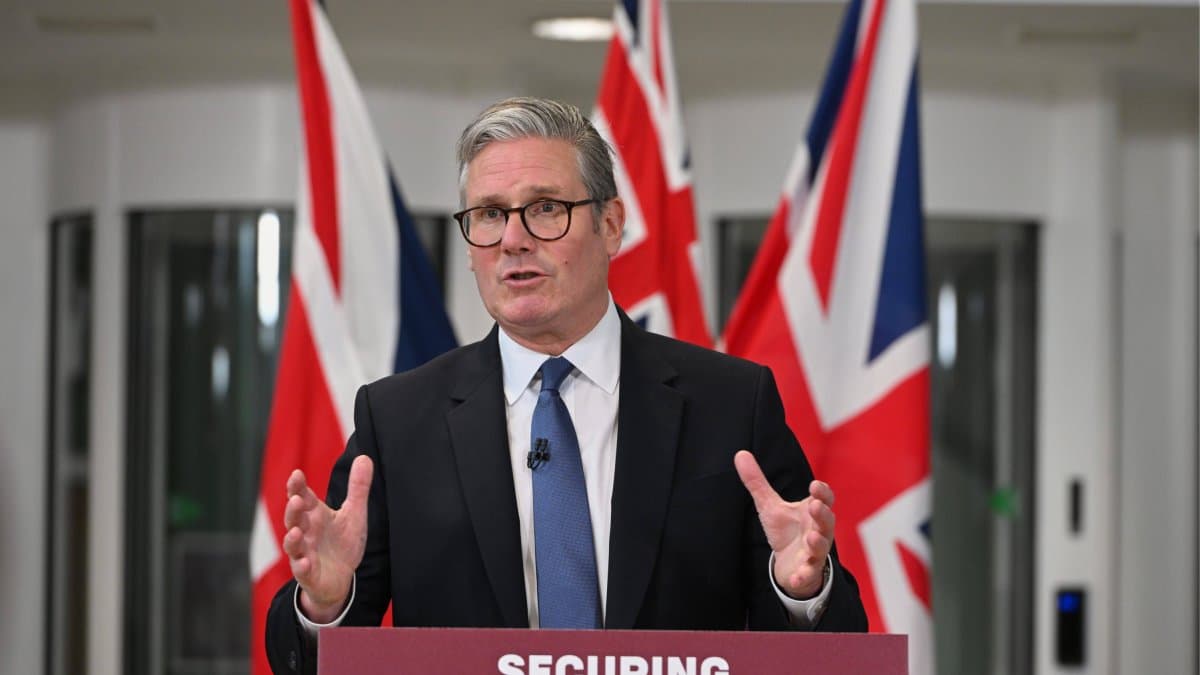

The British newspaper The Telegraph published an article warning Labour leader Keir Starmer about the consequences of left-wing policies in Spain.
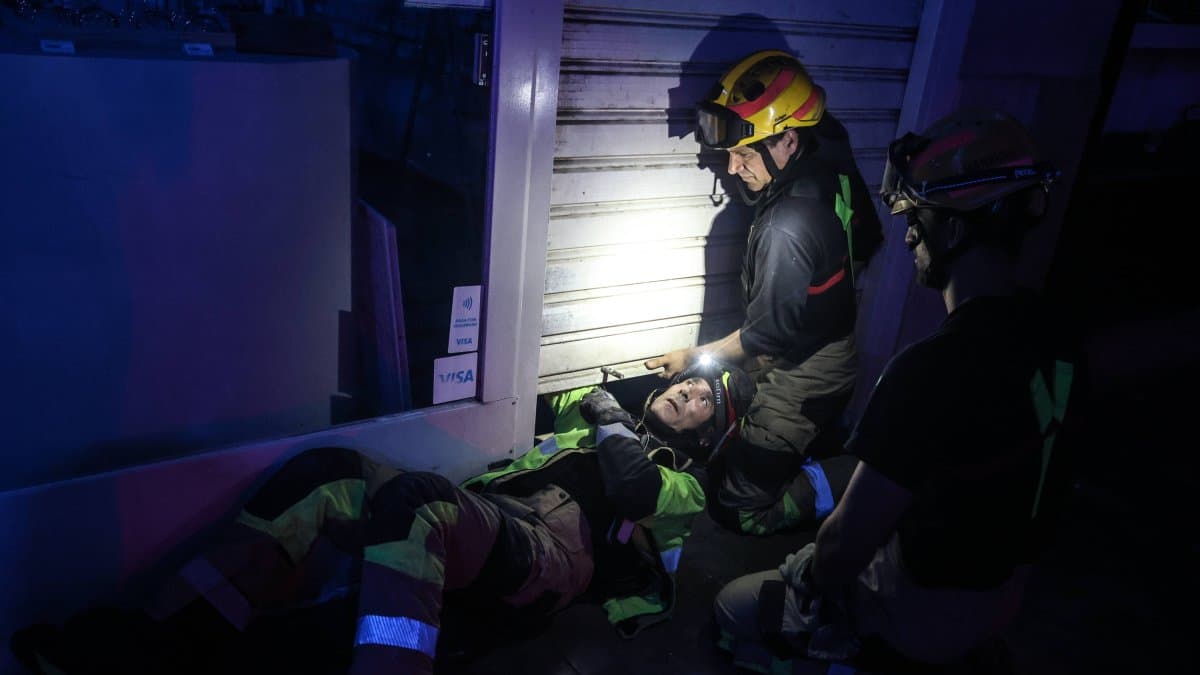
On April 28, Spain experienced its worst blackout in history, and the causes remain widely debated. According to The Telegraph, many blame the Sánchez government’s push to rapidly increase dependence on renewable energy.
A report surfaced claiming that the Spanish government instructed the national grid operator to increase renewable energy use a week before the blackout “to present itself in Europe as a pioneering country,” according to the Spanish newspaper ABC. The paper also said “unstable programs” were deployed to feed as much renewable energy into the grid as possible.
Spain’s target is for 81% of its electricity to come from renewable sources by 2030, The Telegraph reported. Last year, renewables accounted for 56.8% of the energy mix. On the day of the blackout, according to the ABC newspaper report, Spain was nearing 73%. A government spokesman denied the claims, saying, “No order was given for any experiments or so-called unstable programs.”
According to The Telegraph, Sánchez’s Spain was portrayed not as a model of sustainable success, but as an example of what happens when a “net-zero emissions” ideology is pursued at all costs.
A case in point is the town of Almaraz, where a large solar farm is being constructed as the nuclear power plant prepares to shut down.
According to The Telegraph, Almaraz is a clear example of life after eight years under a Socialist government obsessed with renewable energy and imposing its ideology on companies and households.
According to the British newspaper, if there is any warning for Energy Secretary Ed Miliband and Labour as they approach the end of their first year in power, it can be found in this remote town in Extremadura, where 3,000 people face job losses.
Big energy parallels
On energy, the parallels between Spain and the UK are striking, says The Telegraph. According to the British newspaper, the UK can only dream of the kind of nuclear energy that Spain has long boasted about but is now set to scrap. Under Ed Miliband, plans for a new nuclear power station on Anglesey have been thrown into doubt, and the $400 million investment promised by the Conservatives—intended to make the UK the first commercial producer of nuclear fuel outside Russia—has fallen by the wayside.
According to the British newspaper, Miliband’s push to accelerate decarbonization does not appear to be going smoothly. Last month, an analysis by BloombergNEF revealed that Miliband is likely to miss his 2030 offshore wind targets due to a lack of investor interest. The week before, a report suggested that Miliband’s claim that net-zero consumption would reduce energy bills by £300 by 2030 is increasingly unlikely to be achieved.
According to The Telegraph, the “net zero” crusade is not only costly but could also pose safety risks. Last month, Sir Richard Dearlove, former head of MI6, warned that the energy secretary’s push for clean energy by 2030 and net-zero carbon emissions by 2050 plays into China’s hands, as it supplies much of the technology needed to convert the British grid to renewables.
Irrational and problematic—two words that, according to The Telegraph, aptly describe various government policies in both Britain and Spain. For the British newspaper, if Spain is the canary in the coal mine (or the sparrow in the solar farm) when it comes to energy issues, then its approach to taxes, rising immigration challenges, unemployment rates, and the failing rail network show that other areas have also been severely impacted by eight years of socialist rule—offering lessons Britain would be wise to heed.
Tax raid on second homes
Woe betide anyone successful enough to own a vacation home in either Sotogrande or Somerset, warns The Telegraph. According to the British newspaper, the Spanish government is set to impose a 100% tax on non-EU nationals purchasing holiday homes as part of its efforts to address the real estate crisis. The Telegraph notes that foreigners make up 15% of the Spanish property market, with the British holding the largest share.
According to Amsterdam & Associates LLP, expatriates are being "fleeced" by Spanish authorities. The law firm has launched a campaign called "The Spanish Tax Pickpockets," highlighting the "punitive tax claims" faced by foreigners caught in what they describe as Spain’s "tax trap."

John O'Connell, executive director of the Taxpayers' Alliance, says Labour seems to be taking a similar approach in targeting homeowners who own second homes.
O'Connell told The Telegraph that, in the U.K., owning two residences seems to be viewed as “a sign that you are particularly evil in some way.”
“What is happening in Spain should serve as a warning to us,” O’Connell says. Taxes like these “send a very strong signal that the country is not open for business, that we don’t celebrate growth and we don’t encourage prosperity and wealth creation.”
General breakdown
According to The Telegraph, inflation has persisted in Spain—though the 12-month rate has recently fallen to 1.9%—a problem opponents of the Sánchez government blame on excessive public spending. Similar warnings have been issued in Great Britain since the pandemic.
Likewise, the British newspaper highlighted the incident on May 20, when both landline and cell phone services went down following a botched system upgrade by Telefónica, the Spanish telecommunications giant.
The Telegraph also reported that, days after the outages, Spain’s rail system descended into chaos when copper cables were stolen from five separate sections of the high-speed line between Madrid and Seville, causing delays for more than 10,000 travelers.
Alberto Núñez Feijóo, leader of the PP, described the scenes as "unworthy of the fourth largest economy in the eurozone," The Telegraph reported.
Migration crisis on the rise
In October, Sánchez unveiled plans to facilitate migrant settlement in Spain. “Spain has to choose between being an open and prosperous country or a closed and poor country,” he said in Parliament, taking a stance at odds with much of the rest of Europe.
According to The Telegraph, an opinion poll last year showed that immigration was an increasing concern among Spaniards, with 30% considering it one of the country’s main problems.
According to the British newspaper, Alp Mehmet, chairman of Migration Watch UK, states that "surveys, research and studies have consistently shown in Britain that global migration has been a net fiscal cost since the days before Tony Blair."
"Time and again there have been studies showing that ultimately the low-wage, low-skilled immigration that has occurred in most European countries is a cost to the taxpayer. I don't see it being any different in Spain than our experience here," Mehmet said.
Trump lashes out at Starmer's green policies
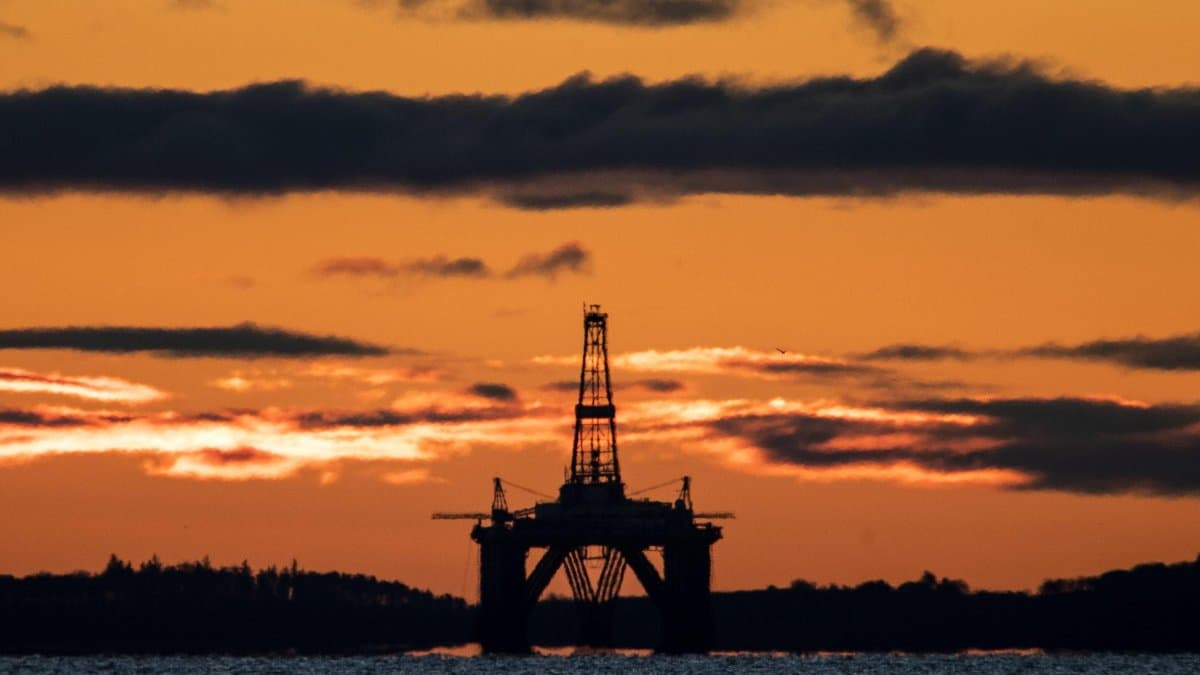
"To reduce their energy costs," he wrote on Truth Social, the UK should ditch “expensive and unsightly windmills” and instead promote “modernized drilling in the North Sea, where vast quantities of oil lie waiting to be extracted.”
🛠 Do you think there is an error in this article?
Recommendations







LATEST