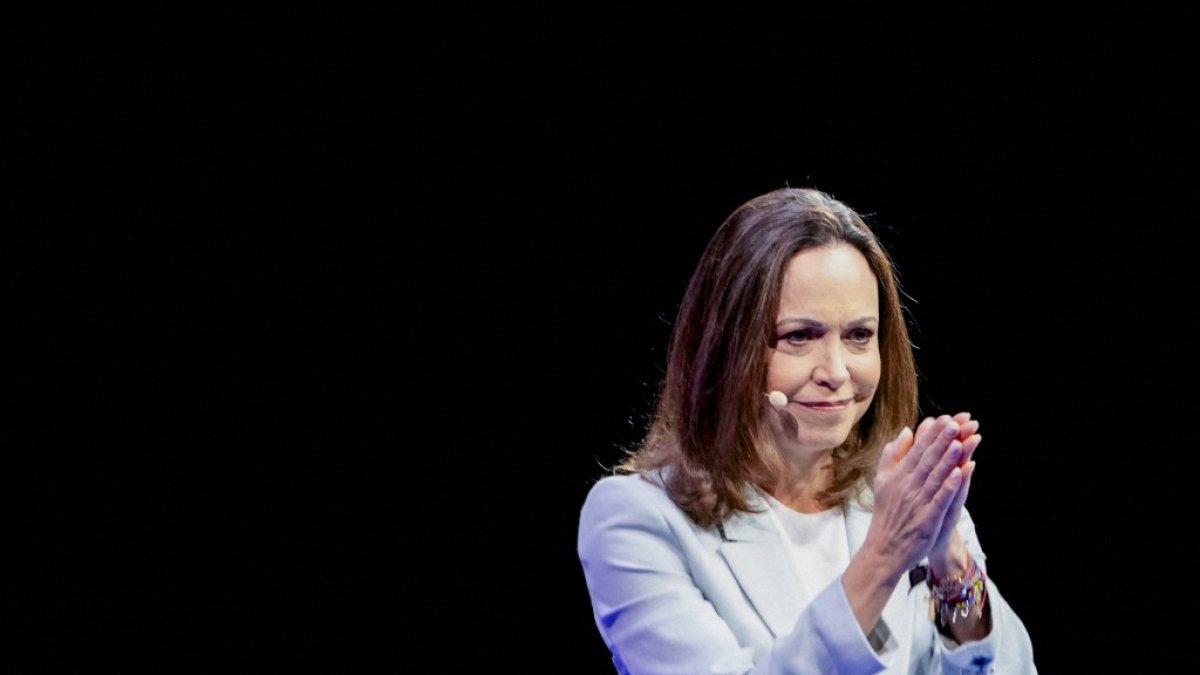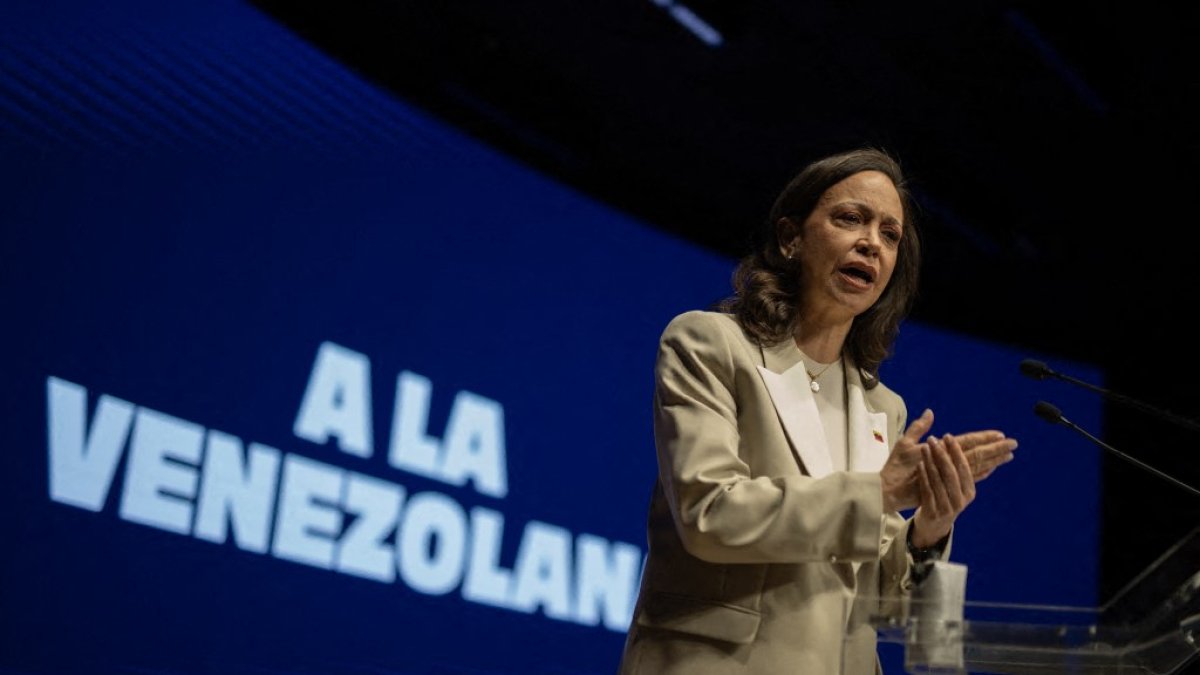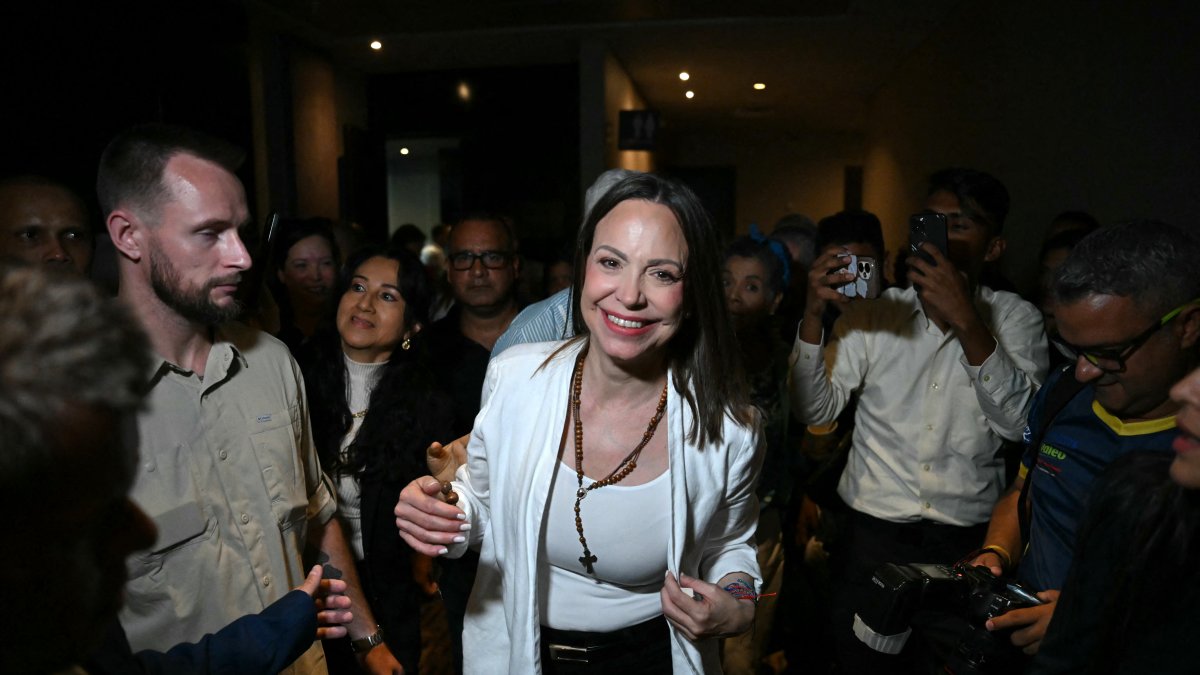
María Corina Machado cements her leadership, reaches record popularity in Venezuela
Given the possibility of new presidential elections, Machado's lead translates into a decisive mathematical advantage.
On the map of destinations, the United States and India have established themselves as the main recipients of Venezuelan oil.
Despite public discontent, leading U.S. diplomats have expressed strong support for the interim government.
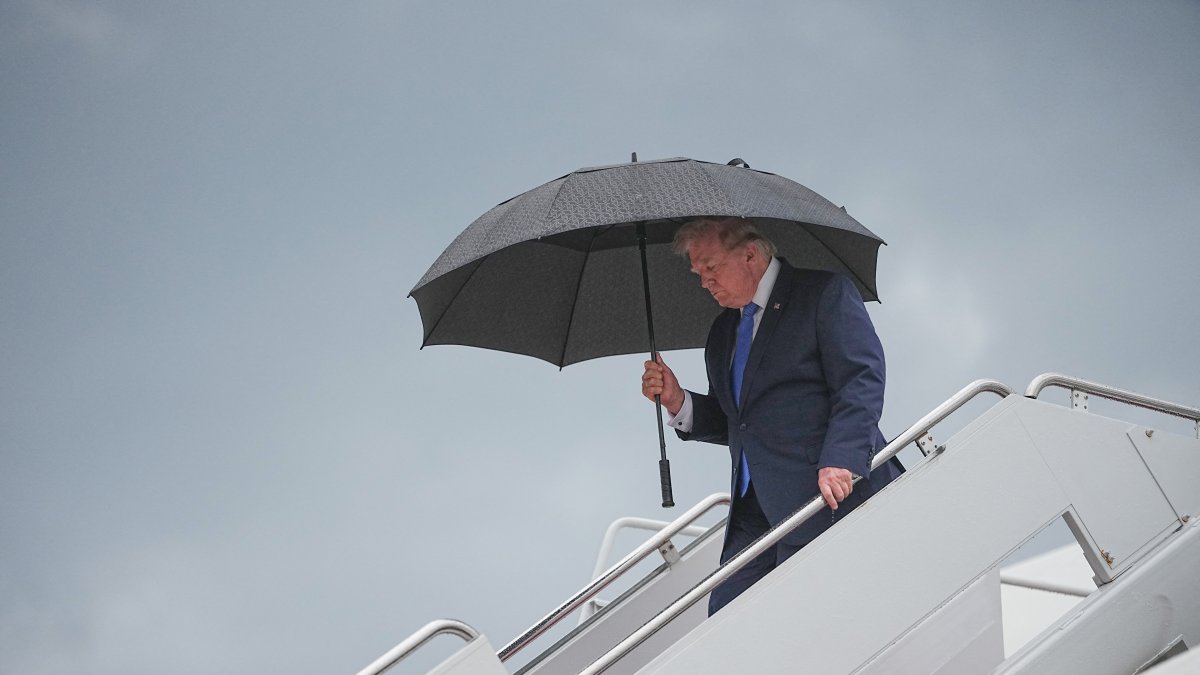
The figure of $13 billion was revealed this week by President Donald Trump, who was asked aboard Air Force One about a Financial Times report estimating the amount his administration had collected from the sale of Venezuelan crude oil.
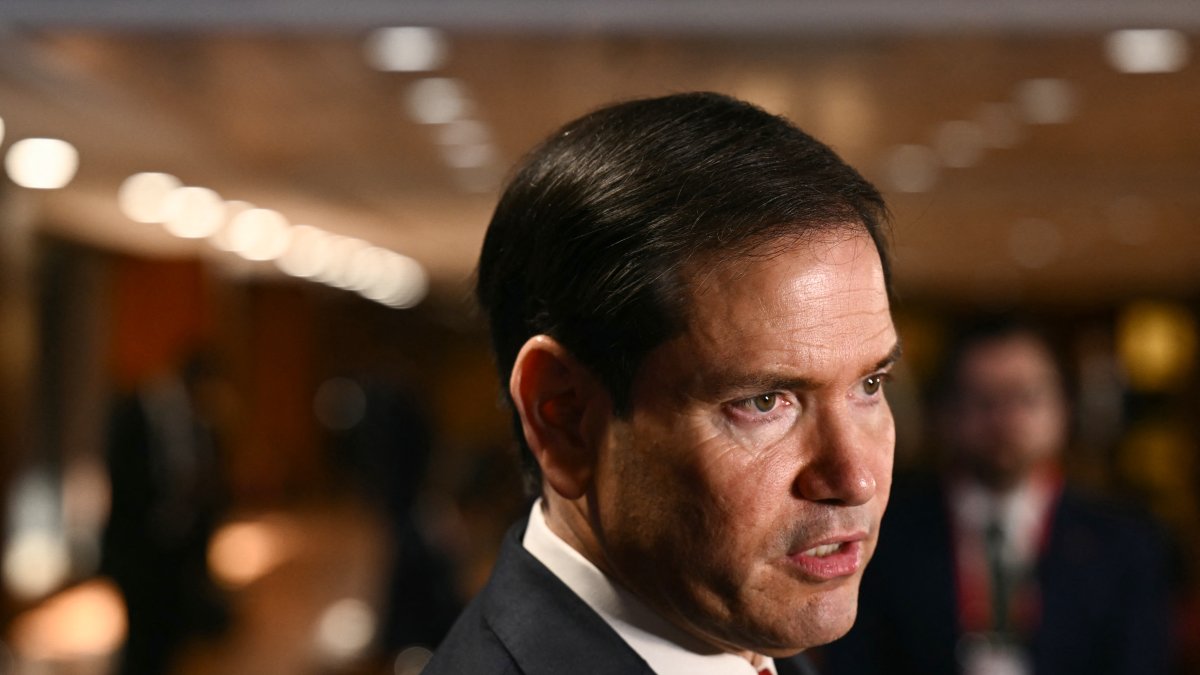
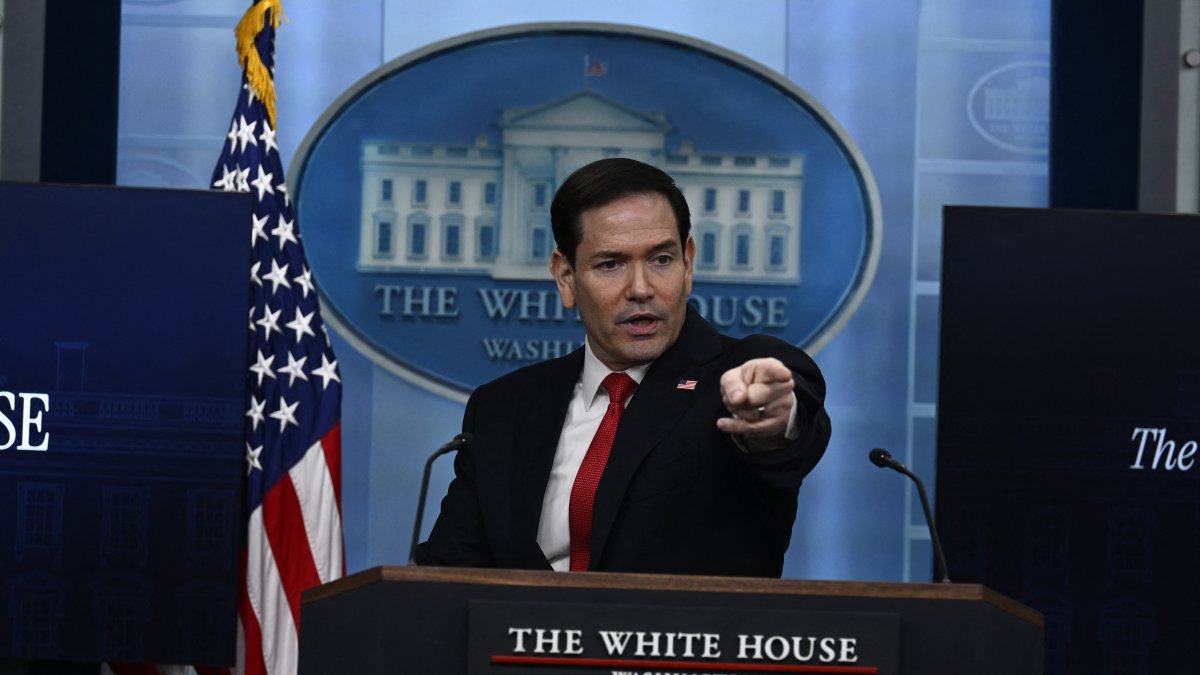
A few days ago, Secretary of State Marco Rubio had stated that one of the White House's objectives was to dismantle the International Criminal Court (ICC), "brick by brick if necessary."
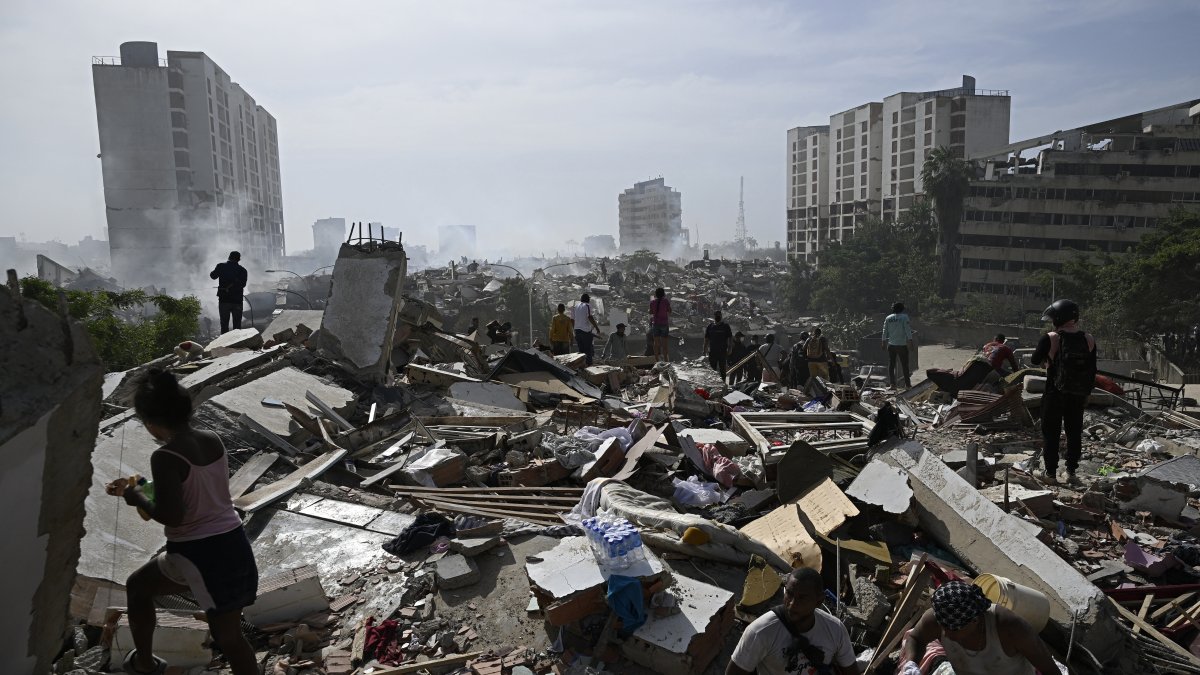
Moreno's proposal comes at a time when Washington has been actively promoting the political reconciliation process in Venezuela following the earthquake that struck the country weeks ago, which has already claimed more than 5,000 official lives.
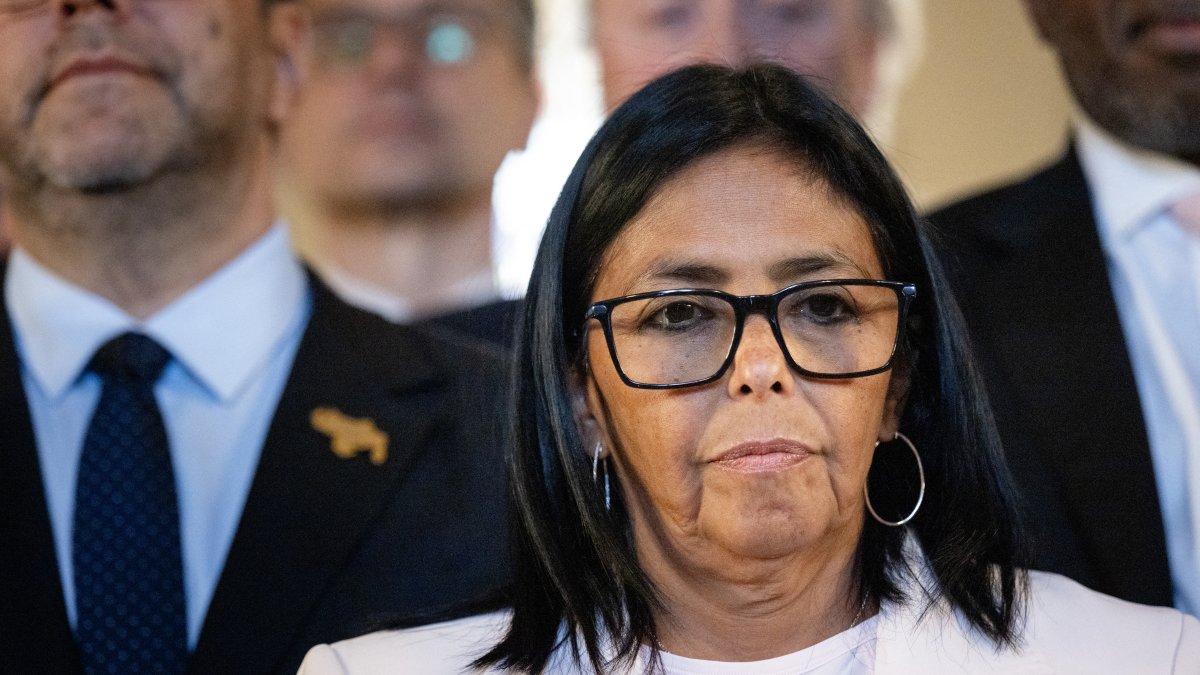
The president made the announcement via Telegram, where she stated that she had decided to merge the Ministry of Foreign Affairs and the Ministry of Foreign Trade.
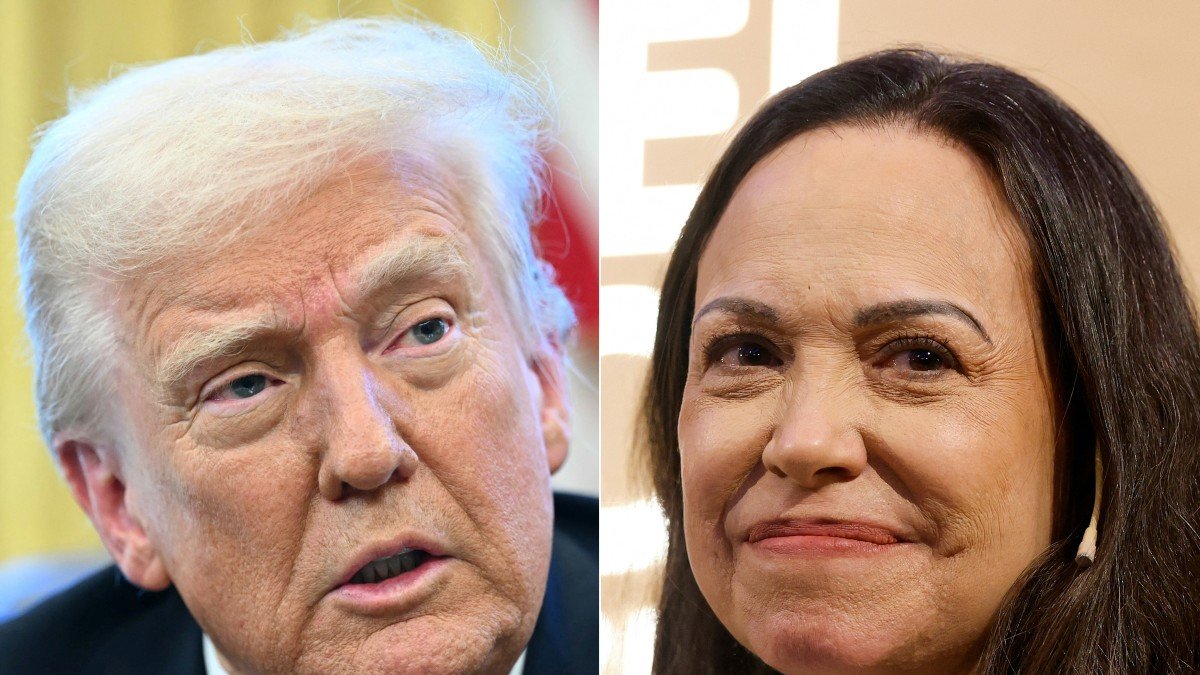
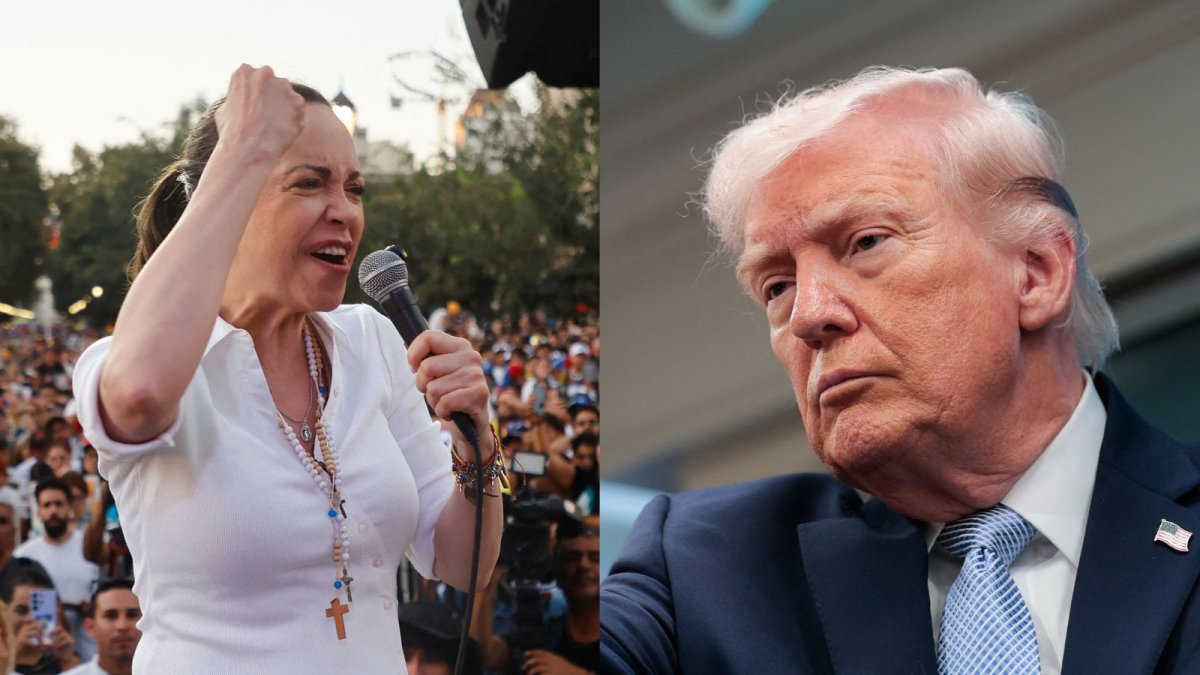
“No, not at all. She’s fantastic; she’s a wonderful person. Did she come back? I didn’t tell her not to come back. I think she’s a good person. She gave me the Nobel Prize—how could I not like her?” Trump replied when a reporter asked him directly if he had told Machado not to return to Venezuela.
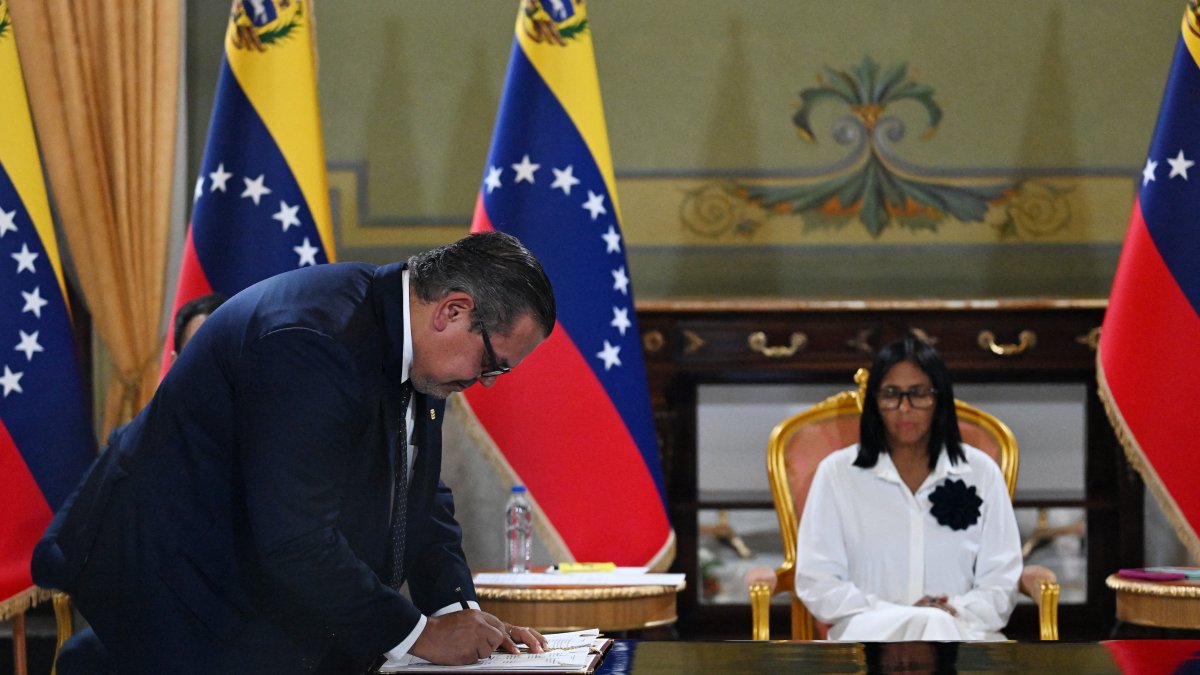
The announcement was made official by Delcy Rodríguez via digital communication platforms.
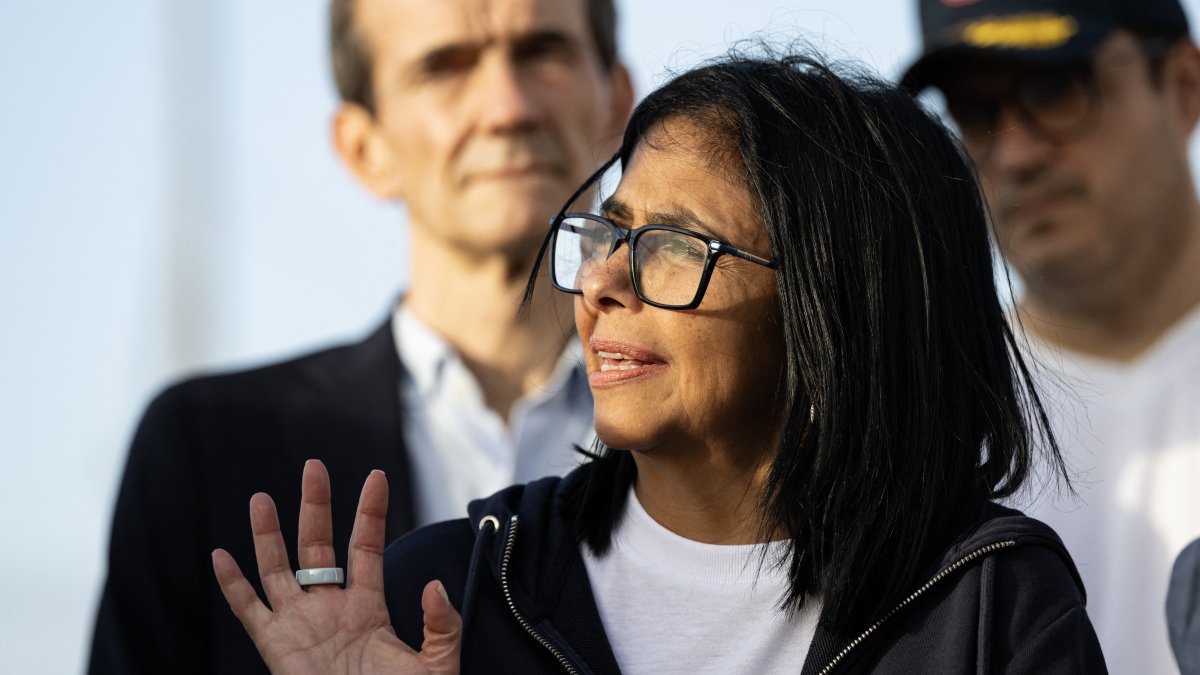
“My voice is hoarse because I have a health condition. I have witnesses here—doctors and non-doctors—who spend all day telling me that I can’t do this or that,” said the Chavista leader during the press conference, without specifying the nature of her condition.
“We’re facing some hostility right now; Venezuela’s military intelligence is trying to tell us to shut down our broadcast,” the correspondent reported during a live broadcast.
According to a WSJ report, Trump warned that an arrest or any attack or harm against the opposition leader would trigger a political crisis in Washington regarding his own strategy toward Venezuela, where Machado enjoys bipartisan support in the U.S. Congress.
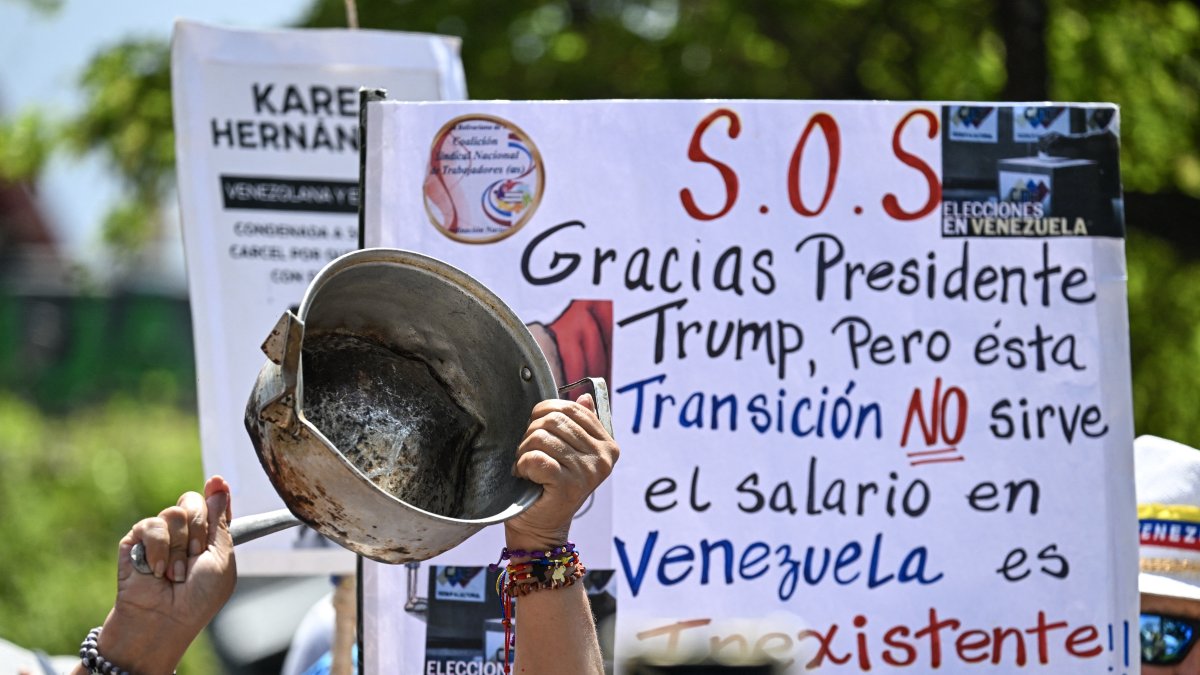
Following the capture of Nicolás Maduro, we Venezuelans—happy and hopeful—tolerated Delcy Rodríguez’s interim regime, trusting that, under the guidance of the United States, it would be possible to begin the path toward the restoration of democracy. However, that hope vanished after the earthquakes on June 24.
“This isn’t about me; there are thousands, millions of us who want to be together—a nation in mourning that needs to find comfort in unity,” Machado said on Monday. “I will do whatever it takes to be there with you all.”
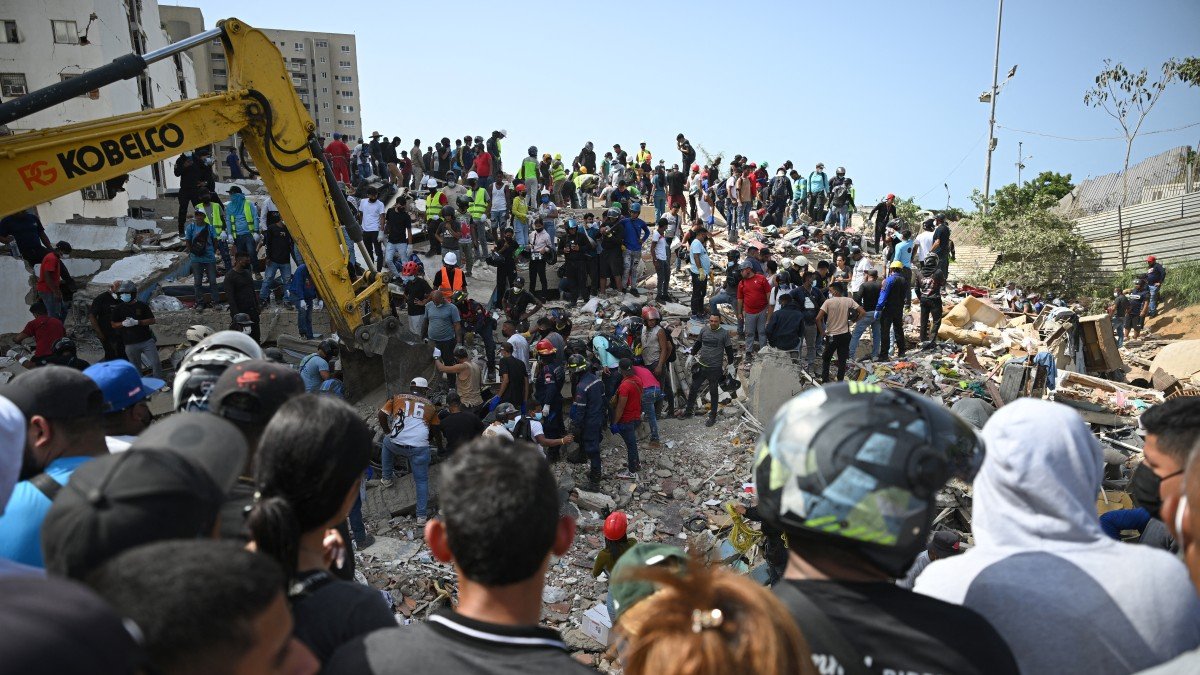
The underlying complaint, however, is the state’s neglect. Testimonies gathered by Voz agree that, during the first few days, the official response was almost nonexistent. There were only a few firefighters and ambulances, almost no police, and no one in charge coordinating the efforts.
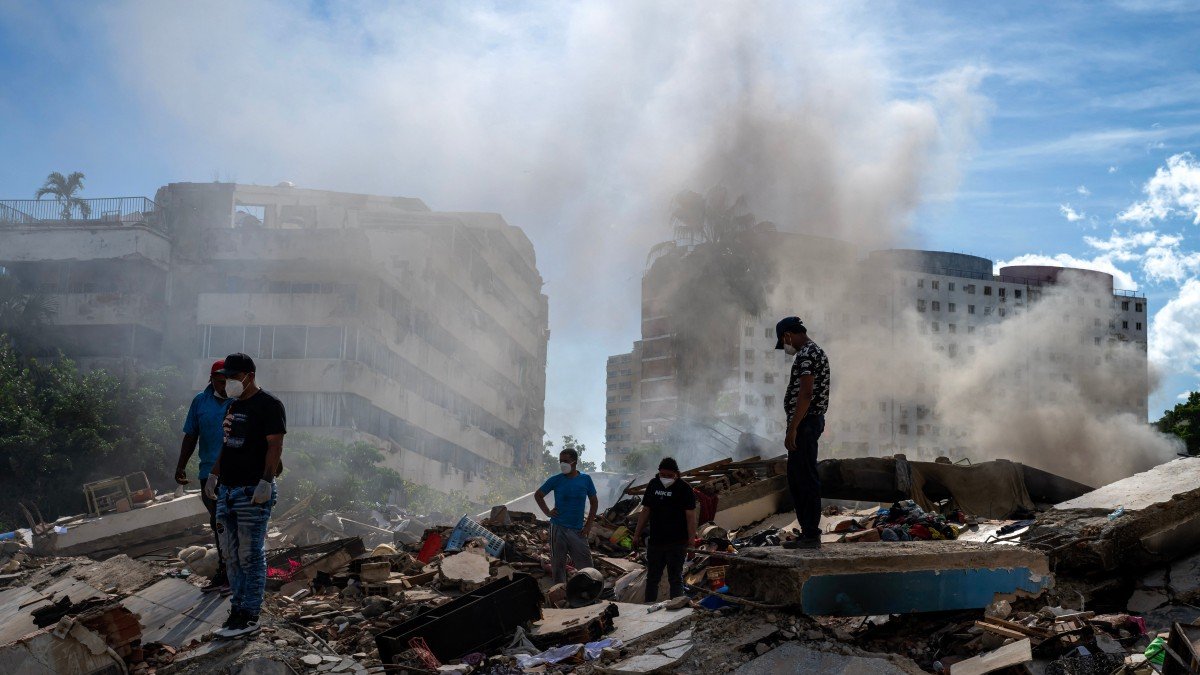
The incident comes amid one of the worst natural disasters in Venezuela’s recent history. Two earthquakes, measuring 7.2 and 7.5 on the Richter scale, struck the north-central part of the country on Wednesday, leaving more than 1,400 dead so far, with La Guaira being the hardest-hit area.
The outreach to the White House is part of a large-scale U.S. response. Washington mobilized $150 million in humanitarian aid, channeled in part through the United Nations, and authorized temporary exemptions from certain sanctions to facilitate the delivery of supplies.
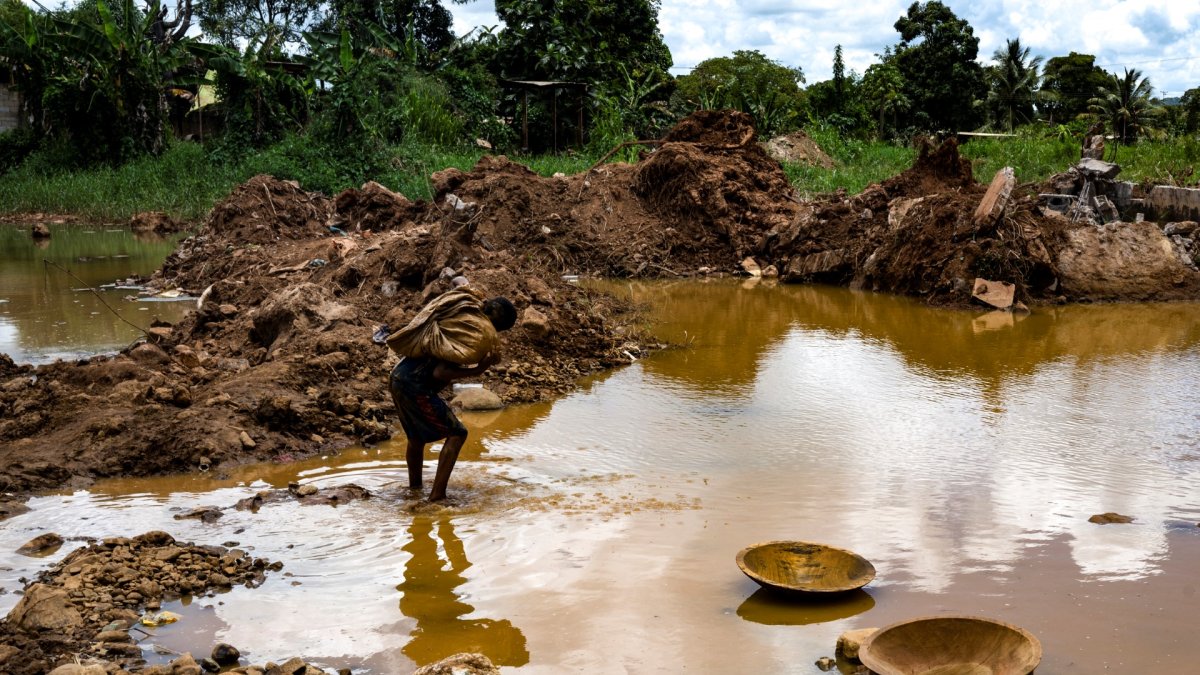
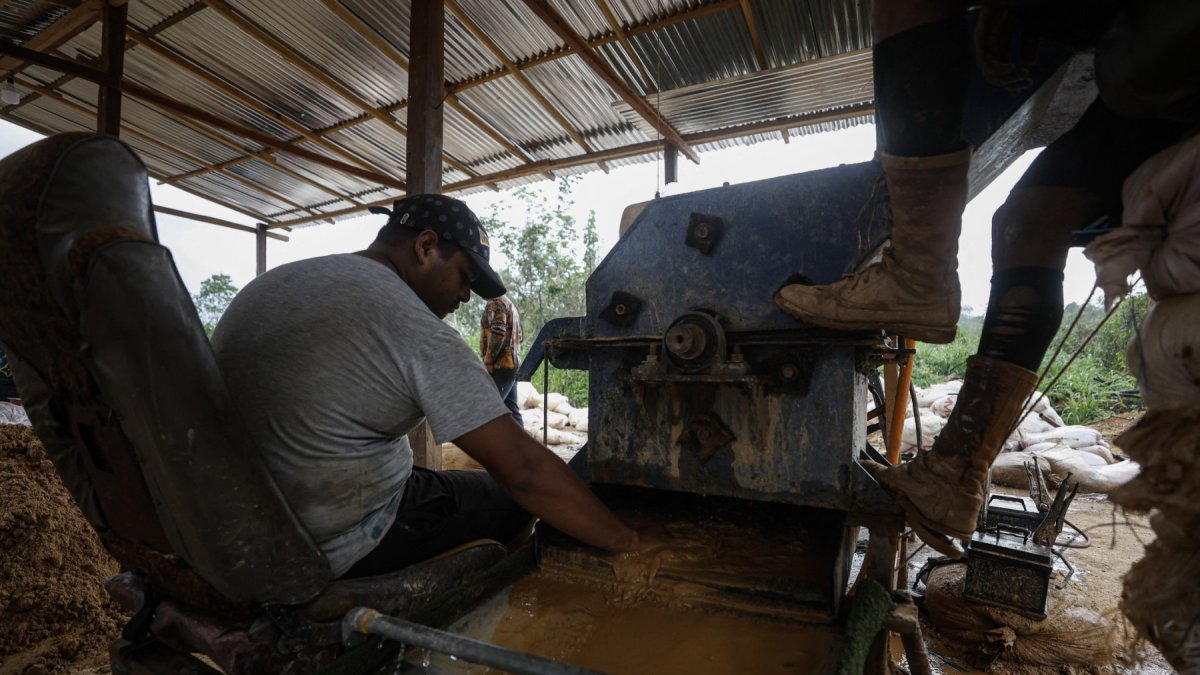
VOZ confirmed explosions and clashes between the military and irregular groups in a gold mining area with long-standing concessions and prospecting and soil studies that have verified large gold reserves. On Monday, U.S. investors conducted technical visits in the town of El Callao.
The honeymoon between U.S. gold mining firms and Chavista authorities is playing out, for now, in Caracas hotels, under the gaze of television cameras. The problem is that gold is not extracted there. It is extracted in the hills, where lead reigns supreme today.
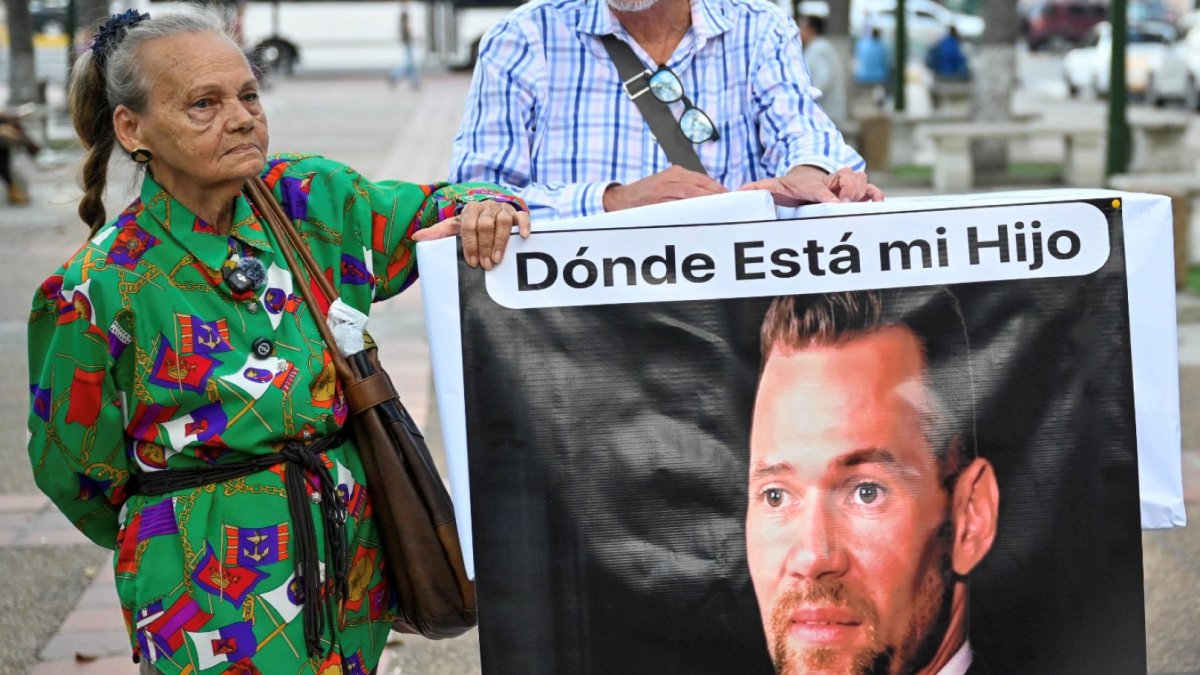
The case of her son, Victor Hugo Quero Navas, became the most recent evidence of the pattern of forced disappearances that activists, journalists and human rights organizations attribute to the repressive apparatus of Chavismo.
The news generated an immediate reaction in the markets, slightly boosting the price of Venezuelan bonds.
The publication came a day after President Trump told Fox News co-host John Roberts that he is "seriously" considering annexing Venezuela as the 51st state of the United States.