New York Democrats ask FIFA to pay for public transit during 2026 World Cup
NJ Transit plans to charge more than $100 for a ride that normally costs $13. Lawmakers and governors accuse FIFA of passing its costs on to cities and taxpayers while pocketing $11 billion.

The 2026 FIFA World Cup is generating strong conflict in New York. As revealed by The Athletic, NJ Transit—the New Jersey transportation provider—is considering charging more than $100 for a round-trip ticket from New York's Pennsylvania Station to MetLife Stadium during tournament matches. The 18-mile trip normally runs $12.90, eight times less.
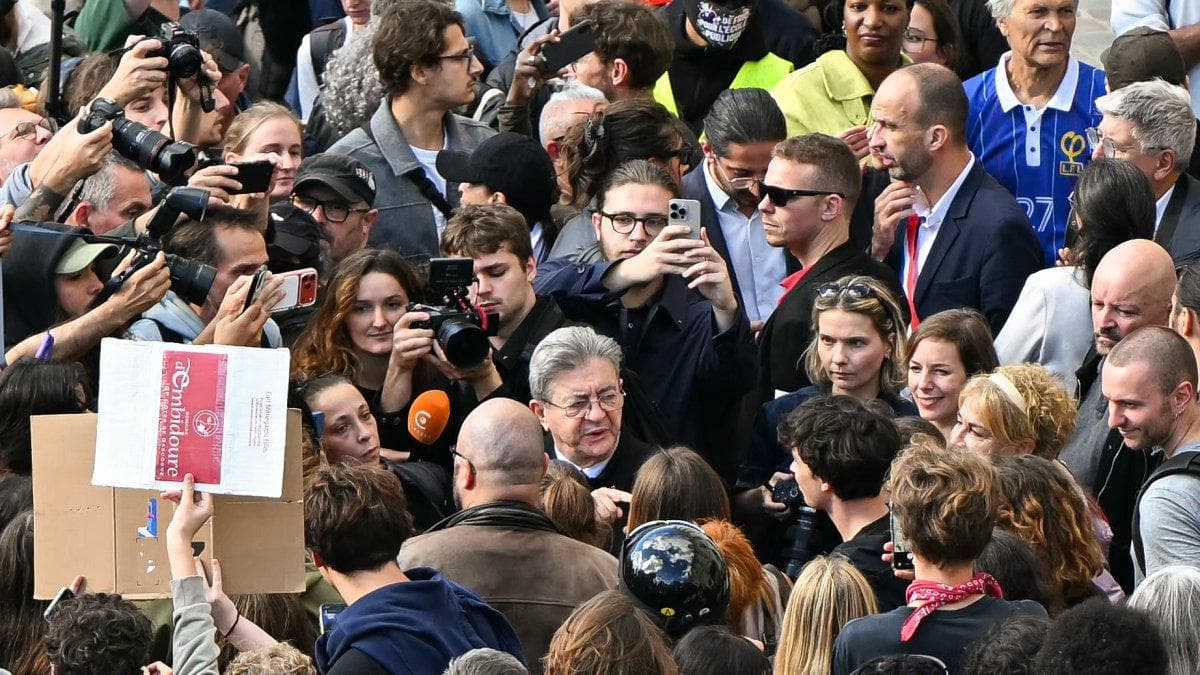
The news inflamed top Democrats New York, who pointed directly to FIFA as responsible and called for action by the agency to spare the state's taxpayers.
Sen. Chuck Schumer, Senate minority leader and one of the most influential Democrats in Congress, released a harsh statement on 'X': "FIFA is set to reap nearly $11 billion from this summer's World Cup, yet New York area commuters and residents are being handed the bill."
FIFA is set to reap nearly $11 billion from this summer's World Cup, yet New York area commuters and residents are being handed the bill.
The least FIFA can do is ensure New York residents can go to the stadium without being gouged at the turnstile. I am demanding FIFA step up… https://t.co/EhIxb69Jrc
The senator said the hosting agreement signed with host cities shifts additional transportation and security costs to states and municipalities, while FIFA retains revenue from tickets, television broadcasts and catering. "That is not a partnership, that is a shakedown," the Democratic leader said, demanding that FIFA assume transportation costs for host cities and states.
New York Governor Kathy Hochul also weighed in, describing the proposed $100 fare as extremely expensive.
"The World Cup should be as affordable and accessible as possible. Charging over $100 for a short train ride sounds awfully high to me. That’s not happening on the MTA," the governor said.
A more complex problem
For now, the drawbacks are not limited to the price of the train fare. According toThe Athletic, NJ Transit estimates that the total cost of operating services for the eight tournament games at MetLife—including the grand final—will amount to about $48,000,000, largely because of FIFA's stringent security requirements, which call for a much larger security perimeter than any event held in New Jersey.
The governor of New Jersey, Mikie Sherrill, has said that that million-dollar cost will not be paid by her state's taxpayers.
"We are not going to be paying for moving the people who are viewing the World Cup on the back of New Jersey taxpayers and New Jersey commuters," the governor said. That leaves, for now, NJ Transit with few options and one of them is to pass the bill on to those attending the games.
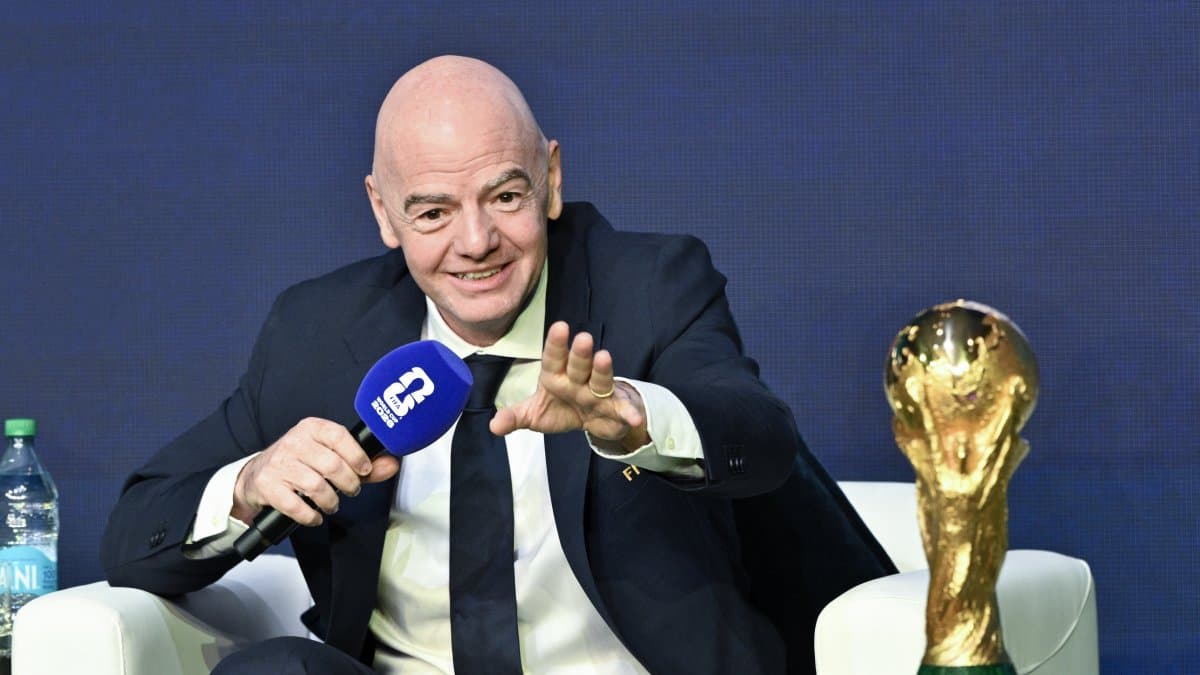
The hosting agreement signed between FIFA and U.S. host cities states that world soccer's governing body keeps the revenue from tickets, broadcasts, sponsorships and official parking. The cities, on the other hand, bear the costs of security, stadium adaptations and public transport. FIFA president Gianni Infantino has cited a report estimating that the U.S. economy will gain $30 billion by hosting the tournament, although several city executives have publicly questioned whether those numbers are realistic.
Other struggling cities
Alternative bus service in Boston will cost $95 per seat.
The contrast with other tournaments is striking. At the Qatar 2022 World Cup, ticket holders had free access to the Doha Metro for the entire tournament. At Euro 2024 in Germany, public transportation was free on the day of each match in the host cities. Undoubtedly, at least in the lead-up, the tournament in the US looks set to be one of the most expensive in history for fans.
Ronan Evain, executive director of Football Supporters Europe, called on FIFA to intervene before it is too late.
"These prices are completely unprecedented and will significantly increase the financial burden on visiting fans," he told The Athletic. "These issues should have been addressed years ago, but it is not too late for FIFA to fulfil its role as tournament organiser and ensure that fans can travel to matches at a fair price."
🛠 Do you think there is an error in this article?
Recommendations






LATEST