Trade deficit in goods and services soars to $88.6 billion in July, driven by AI imports
Demand for technology components drives up the trade deficit amid Trump's tariff policy and the conflict in the Middle East.


The trade deficit in goods and services stood at $88.6 billion, representing a 24.4% increase from the previous month, according to official figures released Thursday by the Department of Commerce.
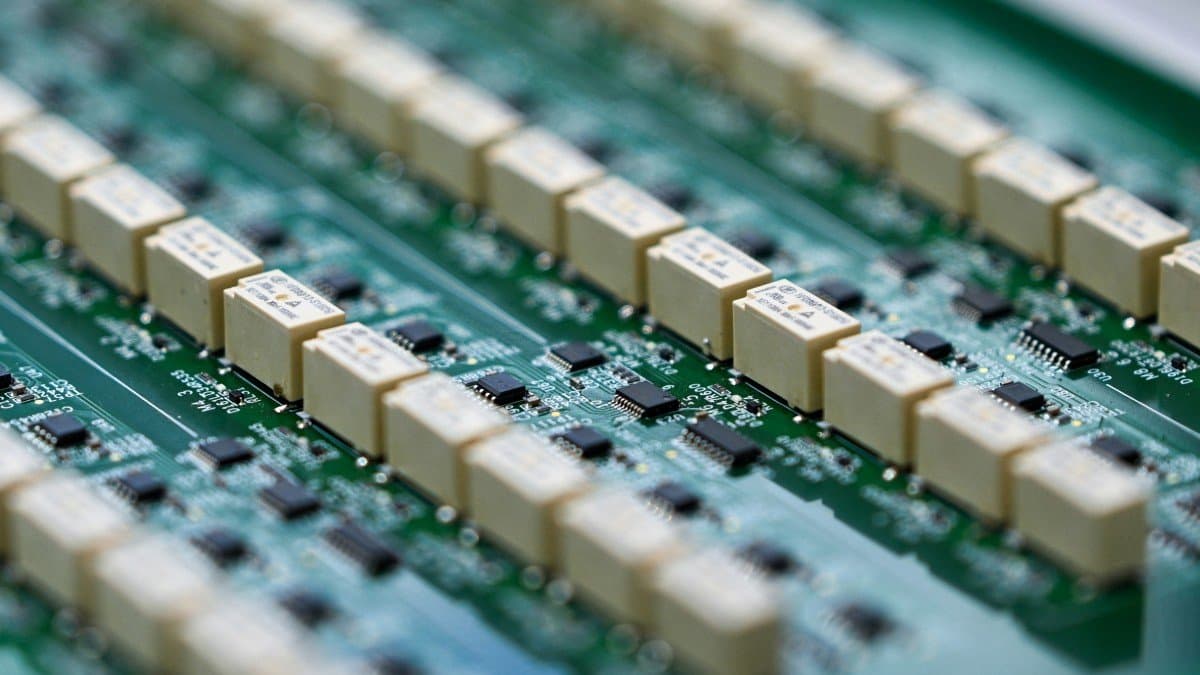
Growth in imports was the main driver of this result. Foreign purchases rose 2.8% to $399.3 billion. The growth was driven primarily by computer equipment, computer accessories, and semiconductors—goods closely linked to the rapid pace of construction of technology infrastructure dedicated to artificial intelligence.
Conversely, exports fell by 2.1% to $310.7 billion. The decline was concentrated in industrial supplies, a sector that lost ground in foreign markets.

The impact of tariffs and the war in the Middle East
Since last year, U.S. foreign trade has experienced sharp fluctuations, largely as a result of the trade policy promoted by the Trump administration. With the aim of protecting domestic industry, reducing structural deficits, and countering unfair trade practices, the administration imposed broad-based tariffs on products from both allies and strategic competitors.
In anticipation of new rounds of tariffs, many companies brought forward imports to build up inventories and shield themselves from potential cost increases. Subsequently, when the Supreme Court (SCOTUS) struck down a significant portion of those broad-based tariffs in February, companies began the process of requesting refunds for payments already made, which generated additional shifts in trade flows.

Adding to this picture is the impact of the war in the Middle East. The near-total blockade of the Strait of Hormuz by the Iranian regime has disrupted one of the most important maritime routes for the global transport of hydrocarbons, adding further pressure to international trade flows.
July's data confirm that domestic demand for technology components related to artificial intelligence remains a key factor in the U.S. trade balance, even in an environment marked by tariff uncertainty and geopolitical tensions.
🛠 Do you think there is an error in this article?
Recommendations




LATEST