Cooking in Cuba: Amid power outages, fuel shortages and household hazards
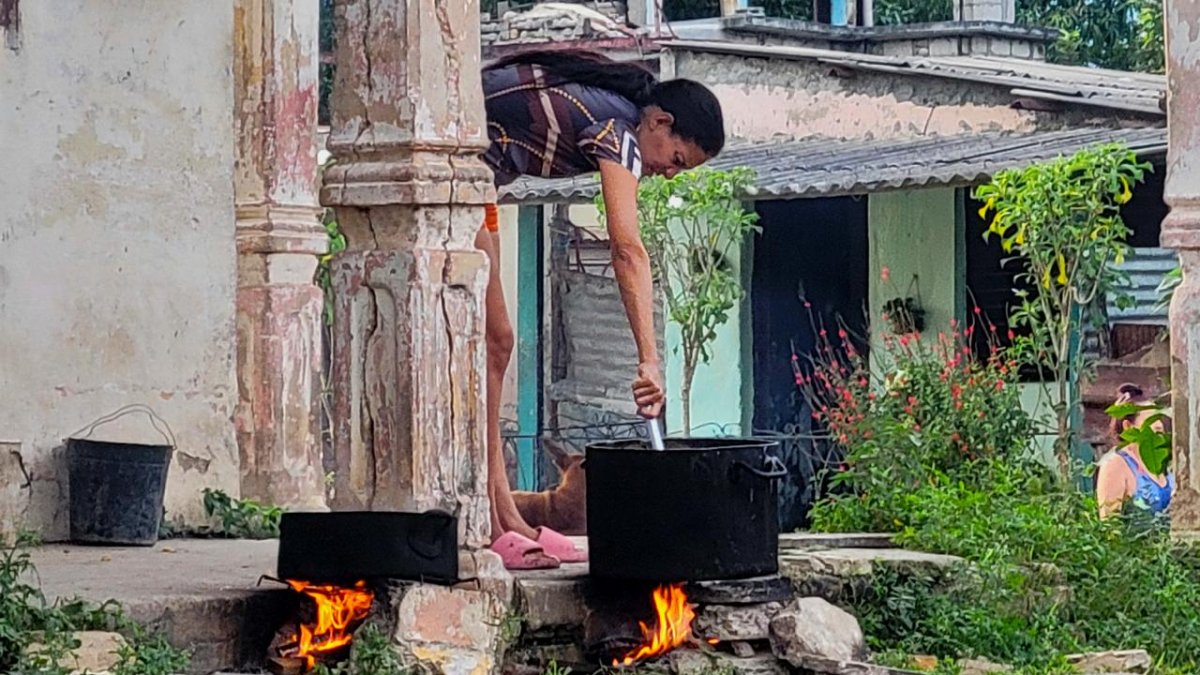
Gas shortages, power outages and fuel shortages are forcing thousands of Cuban families to resort to firewood, charcoal and makeshift stoves, a precarious situation that also increases health and safety risks in the home.
Cooking in Cuba: Between Power Outages, Fuel Shortages, and Household Hazards
A report by the NGO Food Monitor Program, which monitors food insecurity in Cuba, warns that cooking on the island has become yet another daily manifestation of the Cuban crisis. Gas shortages, power outages and the rising cost of other energy sources force thousands of families to improvise every day.
Cooking in Cuba: Between Power Outages, Fuel Shortages, and Risks at Home
Gas, electricity and kerosene: Increasingly limited options
Shortages of liquefied gas, prolonged power outages, a lack of kerosene and the high cost of coal are reducing the options available for cooking. Families switch from one energy source to another depending on what they can get at any given time.
Cooking in Cuba: Between Power Outages, Fuel Shortages, and Household Hazards
A crisis that also affects food security
The problem doesn't end in the kitchen. Power outages also compromise food refrigeration, while difficulties with cooking affect hygiene, preparation times and the regularity of meals.
Cooking in Cuba: Between Power Outages, Fuel Shortages, and Household Hazards
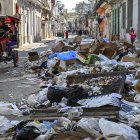
Months without gas in many homes
In July 2025, CUPET once again halted the sale of LPG after meeting only 50% to 60% of projected sales.
In March 2026, Miguel Díaz-Canel acknowledged that hundreds of thousands of homes remained without gas and that in several provinces, the fuel had not been sold for months.
Cooking in Cuba: Between Power Outages, Fuel Shortages, and Risks at Home
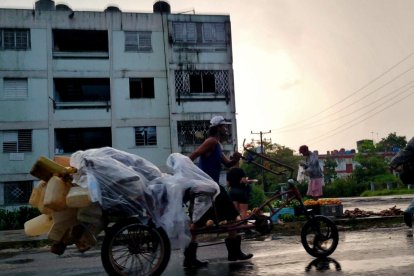
Electricity offers no solution either
The electricity crisis has further exacerbated the problem. On July 14, 2026, Cuba suffered the third collapse of the National Electric System in less than two weeks. Added to this is the fuel shortage: the country produces less than 40% of what it needs.
Cooking in Cuba: Between Power Outages, Fuel Shortages, and Risks at Home

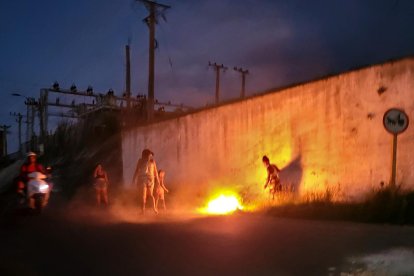
Firewood, coal and makeshift stoves
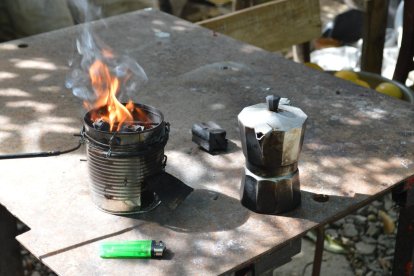
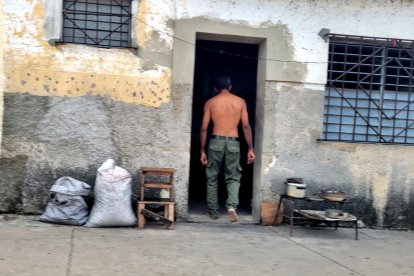
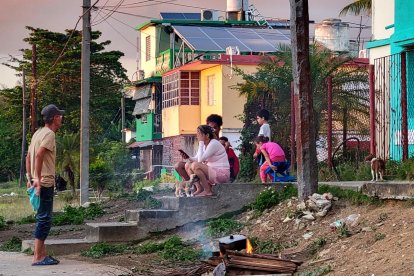
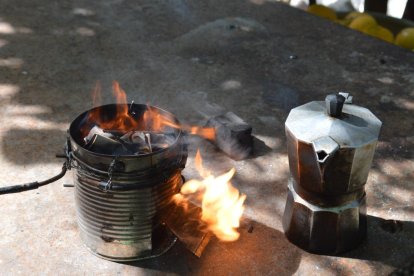
When both gas and electricity fail simultaneously, many families resort to coal, firewood, dry branches, scrap wood and makeshift stoves.
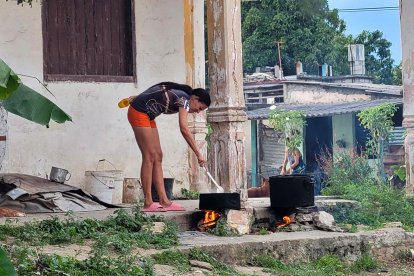
In courtyards, entryways, balconies, rooftops, and even on the street, rustic stoves appear, used for cooking or simply making coffee.
Cooking in Cuba: Amid Power Outages, Fuel Shortages, and Household Hazards
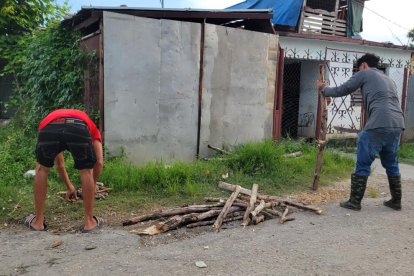
An emergency solution that carries risks
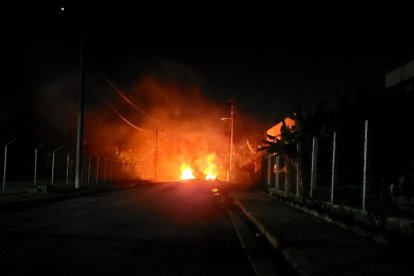
WARNING: These practices can cause fires and household accidents.
The routine use of firewood, charcoal, or kerosene under inadequate conditions also increases exposure to smoke and carbon monoxide, with potential consequences for respiratory and cardiovascular health.
Cooking in Cuba: Between Power Outages, Fuel Shortages, and Household Hazards
The crisis does not affect everyone equally
Families who receive remittances can turn to the informal market, purchase fuel, install solar panels, or use batteries.
Those who depend solely on a salary or pension have far fewer alternatives: gathering firewood, improvising embers, or even cutting back on the number of meals.
Cooking in Cuba: Between Power Outages, Fuel Shortages, and Household Hazards
Women, the elderly and caregivers bear much of the burden
The search for fuel, the preparation of alternative stoves and the hours spent trying to cook fall especially on women, older adults and caregivers.
The Food Monitor Program reminds us that cooking safely should not be a privilege. It is a basic prerequisite for exercising the rights to food, health and decent housing.
Cooking in Cuba: Amid Power Outages, Fuel Shortages, and Household Hazards