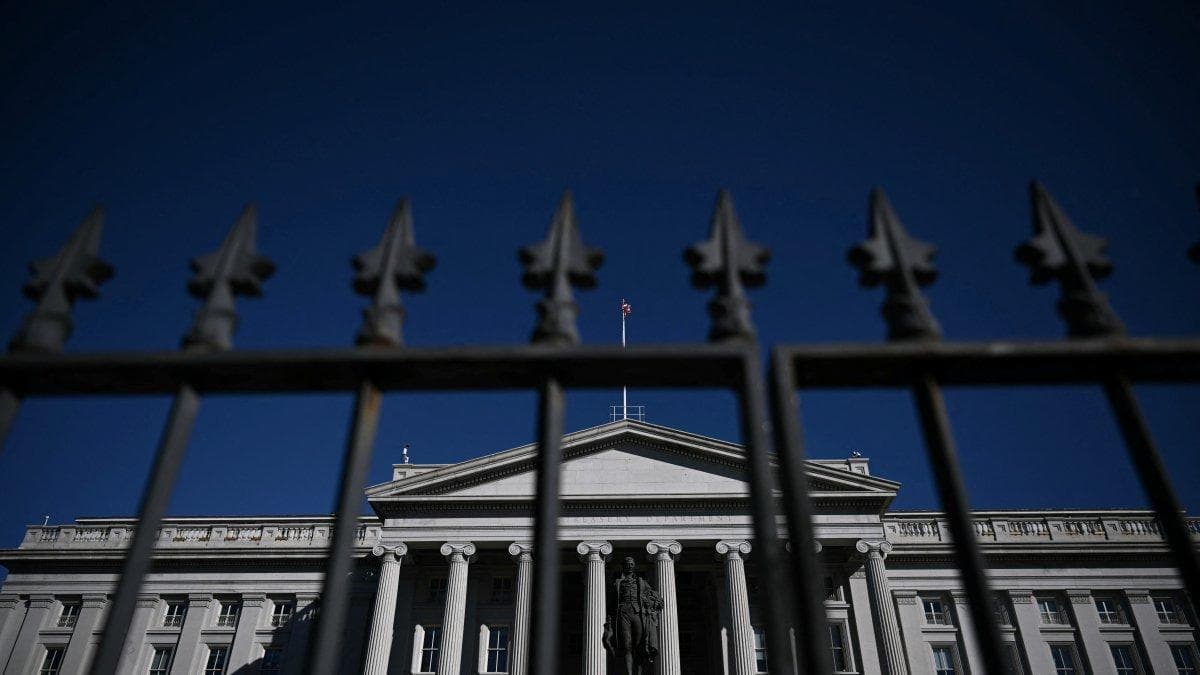
USDA lifts restrictions in two areas of Texas after containing New World screwworm
With the lifting of the measures, animals located in those areas will no longer be subject to the special movement restrictions imposed specifically due to the presence of the pest, although other health requirements will remain in effect.
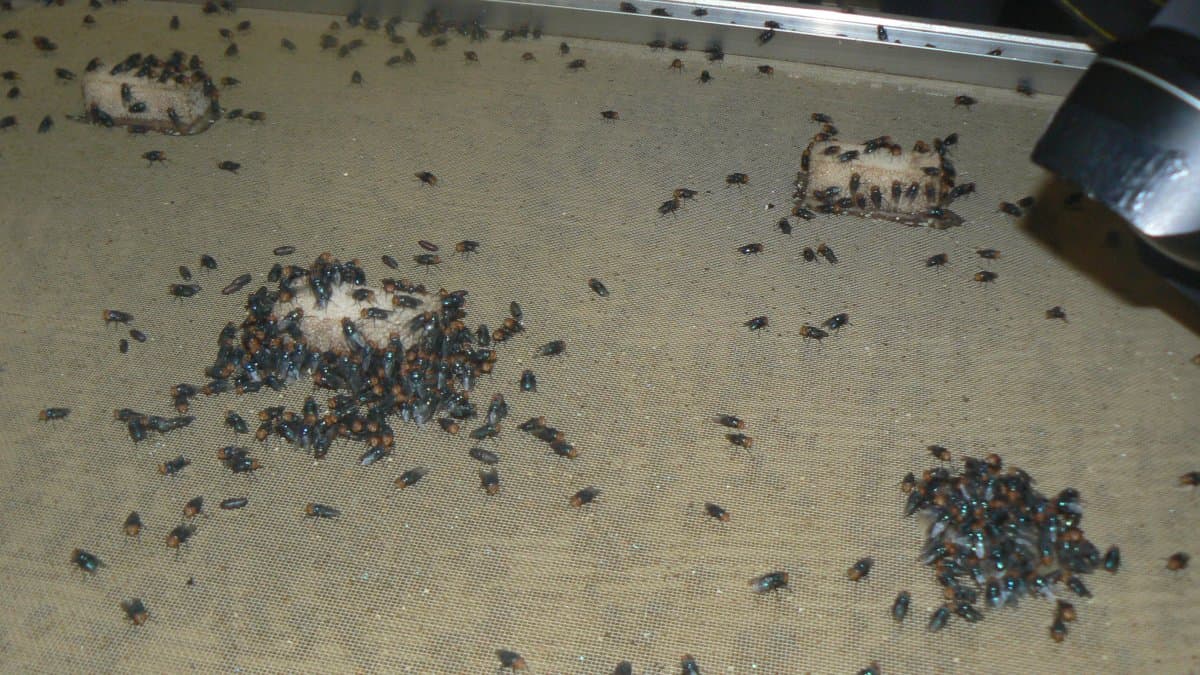

The U.S. Department of Agriculture (USDA) lifted the health restrictions in two areas of Texas that had been declared infested with the New World screwworm, a parasite that poses a serious threat to livestock and other warm-blooded animals.
The decision, announced by the Animal and Plant Health Inspection Service (APHIS), affects areas in the La Salle and Webb Counties, as well as parts of Gillespie, Kerr and Kimble Counties. Authorities determined that these areas met the necessary conditions for clearance following surveillance and control efforts.
Animals no longer subject to special measures
With the lifting of the measures, animals located in these areas will no longer be subject to the special movement restrictions imposed specifically due to the presence of the parasite, although other health requirements will remain in effect.
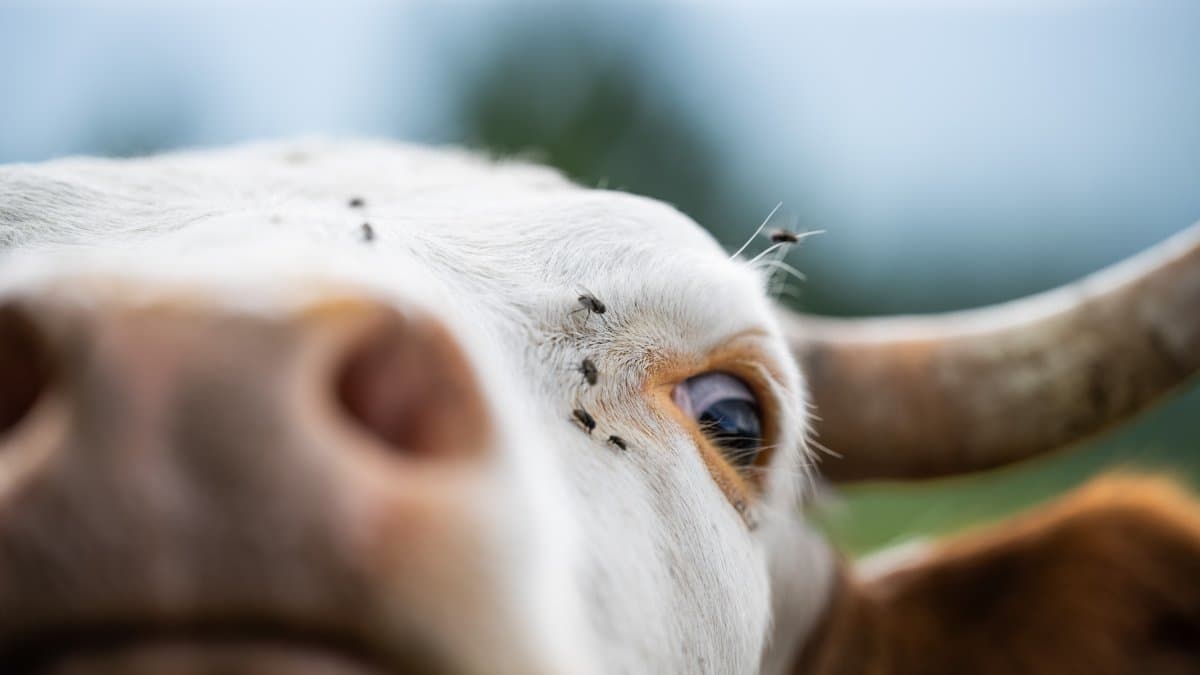
The New World screwworm, scientifically known as Cochliomyia hominivorax, affects warm-blooded animals because its larvae feed on living tissue. The USDA considers it a significant threat to livestock and wildlife, although it states that the current risk to people and animals in the United States remains low.
Texas remains the primary focus of surveillance
The lifting of restrictions in these two zones represents progress in the response to the outbreak, but it does not mean the alert is over. U.S. authorities are keeping other areas under surveillance and restrictions as the fight to contain and eradicate the parasite continues.
🛠 Do you think there is an error in this article?
Recommendations





LATEST