Trump administration strengthens religious freedom
Acting Attorney General Todd Blanche signed a six-point guideline to ensure equal treatment and autonomy for faith-based institutions.
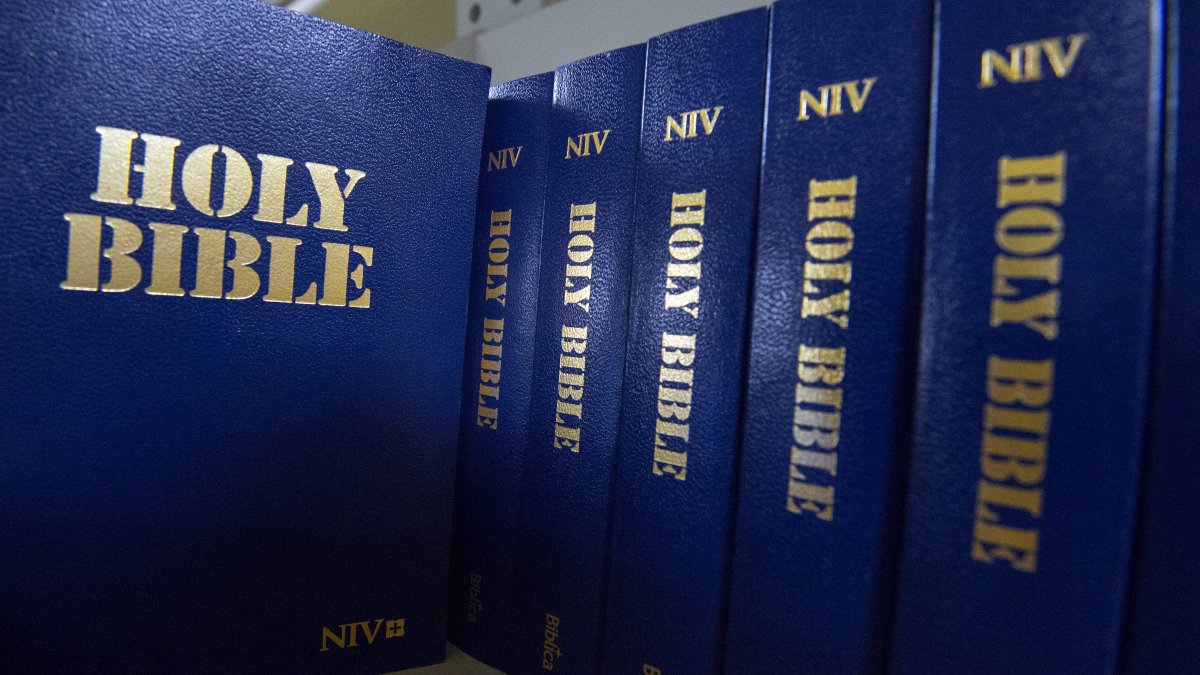
Bible. File archive

The Department of Justice (DOJ) released new guidelines to protect religious freedom in the country. The initiative by the Trump administration that updates the 2017 Religious Freedom Guidelines and fulfills a promise made by Donald Trump before he returned to the White House as president.
The guidance, signed by Acting Attorney General Todd Blanche, establishes six principles that all government departments and agencies must comply with and includes that religious freedom is "not merely a right to personal religious beliefs or even to worship in a particular place. It also encompasses religious observance and practice as displayed in a person's daily life. Except in the narrowest circumstances, no one should be forced to choose between living out his or her faith and complying with the law."
"Religious liberty is one of our Nation’s founding principles and a fundamental right guaranteed by the Constitution," Blanche said. "It is essential that federal agencies fully respect and protect the ability of all Americans to live out their faith in daily life, including in their interactions with the federal government."
The six pillars of the guidance
- "Integration of recent Supreme Court precedent. The memo reflects recent judicial decisions clarifying the scope of the First Amendment, RFRA’s broad protection of religious liberty, and the requirement of equal treatment toward religious organizations in government programs."
- "Protection of parental rights. The updated guidance emphasizes the Supreme Court’s recent precedents confirming that the Constitution protects parents’ ability to direct the religious upbringing of their children."
- "Reaffirmation of church autonomy. he guidance highlights constitutional protections that bar government interference in internal religious governance, including employment."
- "Expanded direction for federal agencies. Agencies are instructed to proactively consider religious‑liberty impacts when developing rules and policies, designate officers to review regulatory proposals for compliance, and ensure enforcement actions respect RFRA and other protections. Agencies must also consider religious‑liberty concerns raised by the public during notice‑and‑comment periods."
- "Clarified protections in federal employment. The guidance reaffirms that agencies must follow recent Office of Legal Counsel opinions when accommodating religious expression and practice in the workplace, including scheduling accommodations and workplace religious expression."
- "Safeguards for religious organizations in federal contracting and grant programs. Agencies may not condition an individual’s participation in federal programs on relinquishing their religious character or hiring rights. Religious organizations must be permitted to compete on equal footing with secular organizations."
LATEST