FBI arrests CIA official who stashed $40 million in gold bullion in his home
The accused, identified as David Rush, is now behind bars awaiting a hearing that will define his status in the coming days.


A former top official of the Central Intelligence Agency (CIA) was arrested last week after FBI agents discovered a fortune in gold hidden in his Virginia home.
According to The New York Times, investigators found hundreds of bars valued at more than $40 million, allegedly moved from his workplace to his private residence.
The defendant, identified as David Rush, is now behind bars awaiting a status hearing in the coming days. The formal charge he faces so far is strikingly minor compared to the massive hoard reported by the press: theft of government funds by recording fraudulent time sheets. The records filed in an Alexandria court still leave numerous questions unanswered about the official's conduct.
According to authorities, Rush allegedly overstated his academic credentials and improperly collected tens of thousands of dollars in military leave. Prosecutors allege that the man falsely claimed he was still part of the Navy Reserve despite having been previously discharged.

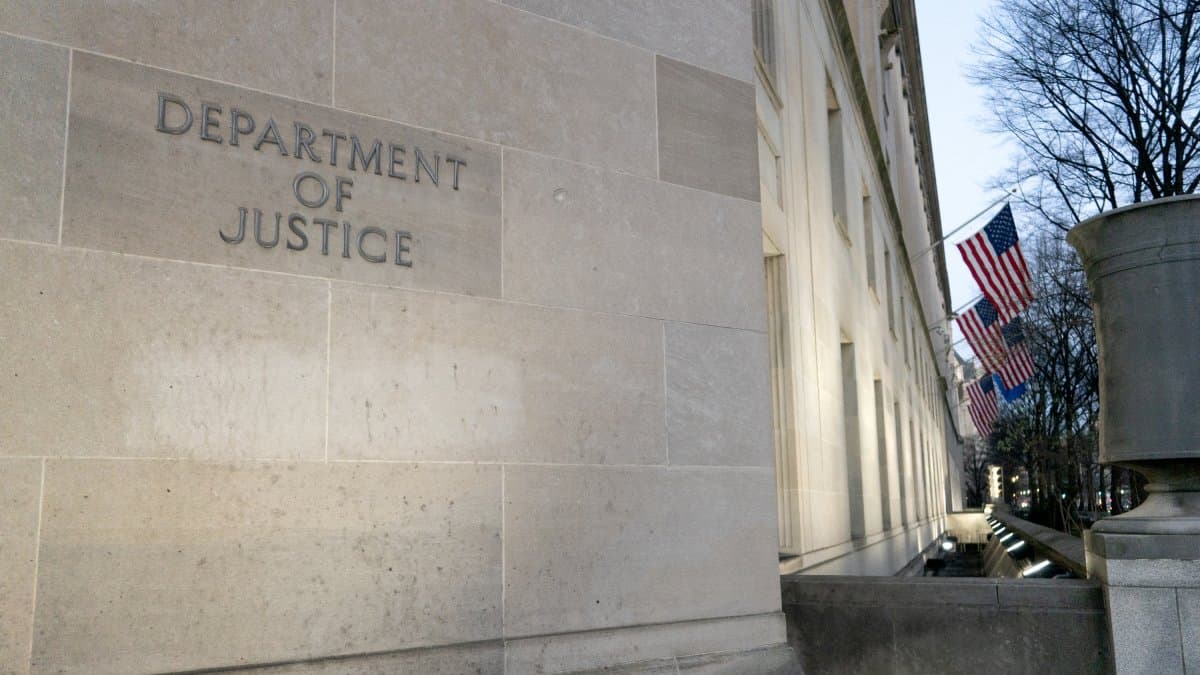
While the documents describe him only as a former senior executive-level employee in a U.S. government agency, with no explicit mention of the CIA. However, sources close to the investigation confirmed to the NYT that until very recently he held a senior position within the intelligence agency.
In a joint statement, the CIA and the FBI said the arrest took place on May 19, after the agency itself alerted the federal office. The CIA's internal investigation detected possible legal violations, which led its director, John Ratcliffe, to refer the case to the FBI for a law enforcement inquiry.
The events that triggered the scandal date back to the months between November last year and March 2026. During that period, Rush allegedly requested and received a considerable amount of foreign currency and tens of millions of dollars in gold bullion, justifying them as expenses related to his work. However, when the CIA sought to verify where those assets were located, it was unable to locate the gold or significant sums of the foreign currency.
The May 18 house search finally uncovered the real hiding place of the gold. According to an affidavit, the agents seized around 303 gold bars of approximately one kilogram each, in addition to about three dozen luxury watches—mostly Rolex models—and around $2,000,000 in cash. Authorities have yet to clarify what motivated the accumulation of such wealth or what work project could have justified having such a quantity of gold in a private home.
A lawyer representing Rush declined to comment on the case, while a woman who answered the phone at the official's home chose to hang up when contacted by a NYT reporter.
🛠 Do you think there is an error in this article?
Recommendations









LATEST