Sonny Rollins, jazz icon and 'colossus of the saxophone,' dies at age 95
The legendary jazz saxophonist died Monday at his home in Woodstock, N.Y., leaving behind a legacy of nearly 70 years.
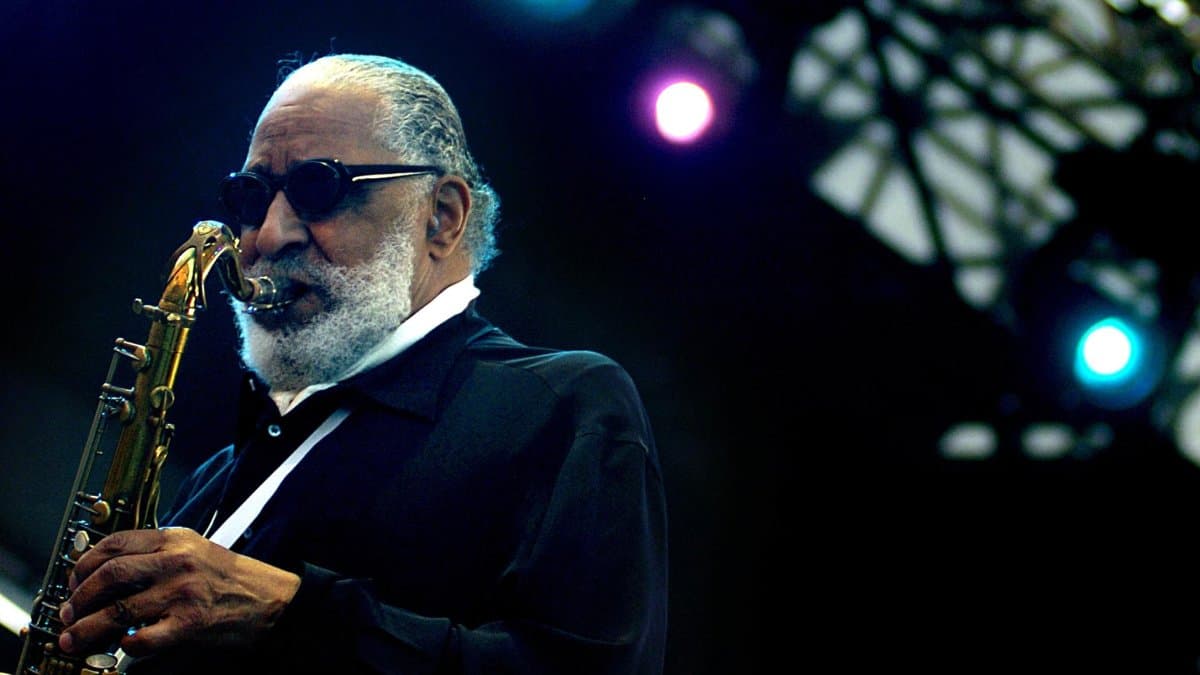

Sonny Rollins, known to the world as the "colossus of the saxophone," died Monday at age 95 at his home in Woodstock, New York. His death marks the end of a golden era of jazz, leaving as his legacy one of the longest and most influential careers in music history.
Rollins acquired his iconic moniker thanks to his 1956 album Saxophone Colossus, widely regarded as a hard bop masterpiece.
"It is with great regret and deep affection that we announce the passing of Sonny Rollins," his team posted on the artist's official networks.
Who was Sonny Rollins? The last giant of the tenor saxophone
Walter Theodore "Sonny" Rollins was born in 1930 in New York and established himself as one of the most important saxophonists of the 20th century. Along with figures such as Charlie Parker, Coleman Hawkins and John Coltrane, he defined the sound of the tenor saxophone in the post-World War II era.
Unlike many of his contemporaries, Rollins enjoyed a long and productive life. He continued to hone his craft well into his 80s, despite the limitations imposed by respiratory illness in his later years.
Jazz as social and spiritual commentary
Rollins was not only a technical virtuoso. Thanks to jazz he found a powerful medium for social and spiritual commentary. During his career, the musician supported the black civil rights movement and channeled the collective pain of the United States after the 9/11 attacks.
Four days after the attacks, Rollins gave a historic concert in Boston. That recital was recorded on the album Without a Song: The 9/11 Concert.
"I'm still alive, because I'm still learning," he told AFP in 2016. Yoga was pivotal in his life: it helped him focus, stay away from drugs and alcohol, and prolong his career.
🛠 Do you think there is an error in this article?
Recommendations





LATEST