







The free alert to detect kids' passport applications: How it works and who can use it
The measure is particularly relevant in cases of family disputes or situations in which one of the parents fears a possible unauthorized departure from the country.
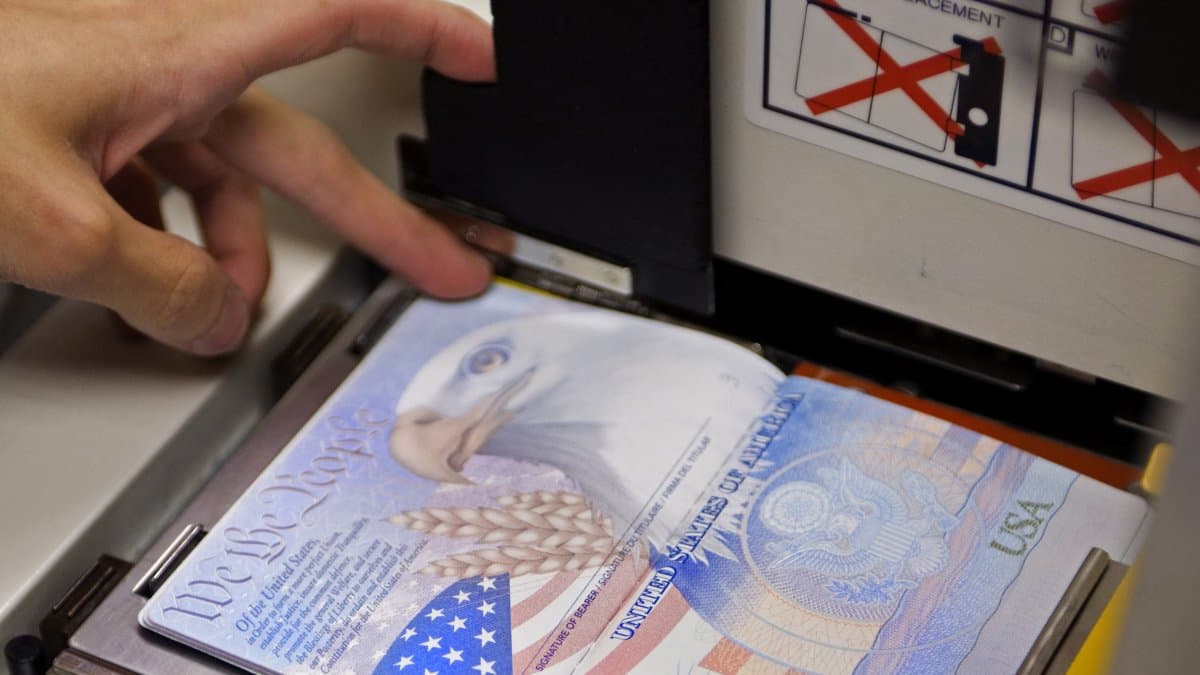

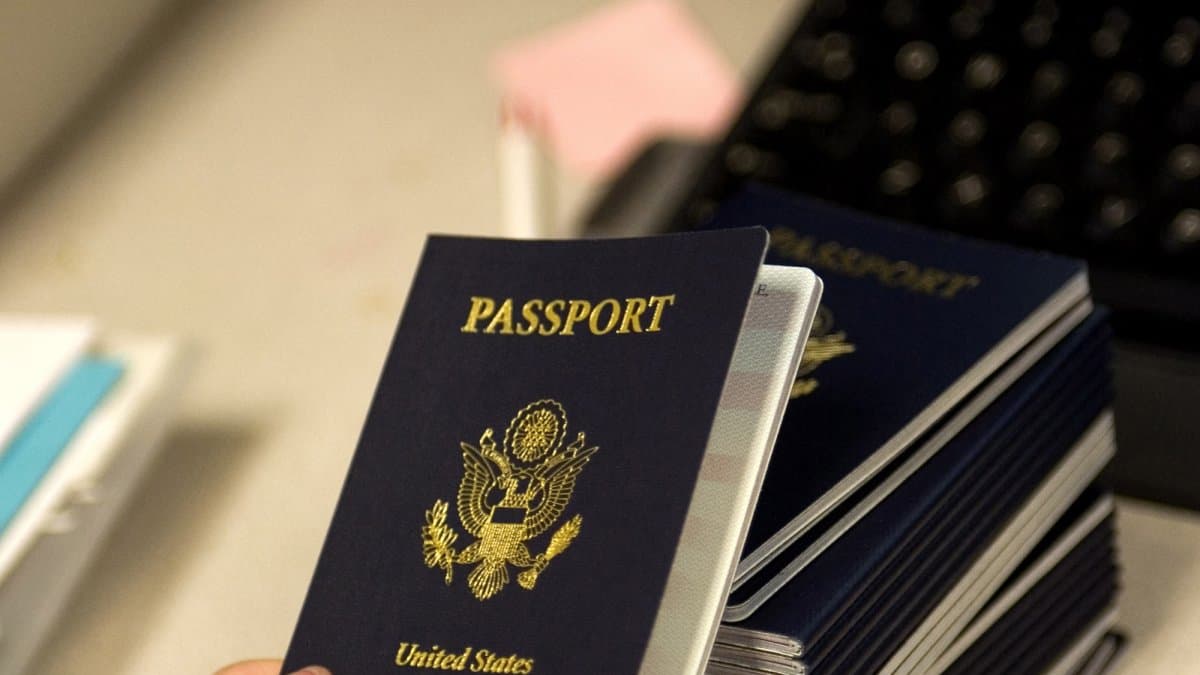
The State Department has a free system that allows parents and legal guardians to receive an immediate alert if someone attempts to process a U.S. passport in the name of a minor. The tool, designed to prevent cases of international child abduction and custody disputes, functions as an early warning mechanism and seeks to add an additional layer of control before the document is issued.
The Children's Passport Issuance Alert Program (CPIAP) is a program administered by the State Department's Bureau of Children's Affairs that allows U.S. citizens to register to monitor passport applications made in their child's name. According to official information, the service is free of charge and is aimed exclusively at U.S. citizens under the age of 18.
A tool created to prevent international theft
The measure is particularly relevant in cases of family disputes or situations in which one of the parents fears a possible unauthorized departure from the country. The objective of CPIAP is to generate an alert when a passport procedure is initiated for a registered minor, allowing adults with legal authority to be aware of the procedure and be able to act quickly.
The State Department considers the system one of the most effective tools for preventing international child abductions. When a child is registered, authorities verify whether the appropriate parental consent requirement was met and notify the registering parent or guardian.
However, the agency stresses that the program is not a substitute for a court order and does not function as an automatic immigration restriction. It is an administrative prevention and monitoring mechanism.
Who can register a minor
Registration can be done by:
- A parent or legal guardian.
- Law enforcement.
- Courts.
- Child protective services.
- Persons legally authorized to act on behalf of a parent, including attorneys or authorized relatives.
The registration remains in effect until the minor reaches the age of 18; once that age is reached, the registration is automatically deleted.
How the procedure is carried out
To register a minor it is necessary to complete form DS-3077, submitting an individual application for each child or adolescent. Required documentation includes an official identification with photograph and signature, such as a driver's license or passport, and proof of legal relationship to the minor.
Among the accepted documents are:
- Birth certificate
- Custody or guardianship court orders
- Adoption decrees
- Declarations of paternity
- Other equivalent legal documents
Documentation can be emailed to [email protected] or mailed to the State Department's Bureau of Children's Affairs in Washington. The agency also asks to keep updated phone numbers, emails and any new court rulings related to custody or protective orders.

What the system can and can't do
Once a child is enrolled in the program, the State Department can monitor new passport applications and alert the responsible adult when it detects an application in progress. In addition, it can report whether the minor already has a current U.S. passport.
But the authorities also set clear limits.
- Does not automatically block the issuance of a passport.
- Does not by itself prevent a minor from traveling if he or she already has a valid document.
- Does not monitor passports issued by other countries.
- Cannot intervene on foreign documents in cases of dual nationality.
The warning is especially important for families with children who hold citizenship of more than one country, as a foreign passport may fall outside the scope of the U.S. system.
What to do if there is imminent risk
The official guide also suggests applying for emergency court orders to prevent international travel and notifying airports and airlines when a possible departure route is known.
In addition, the State Department recalls a key point: the United States does not maintain routine exit controls, so prompt notifications and coordination among authorities can be decisive in a risky situation.
🛠 Do you think there is an error in this article?
Recommendations







LATEST