The rebuilding of Los Angeles after the fires has a Hispanic face
Recovery relies heavily on Latino workers, who are already economically vulnerable, for debris removal, construction, utility repair, landscaping and other rebuilding needs.
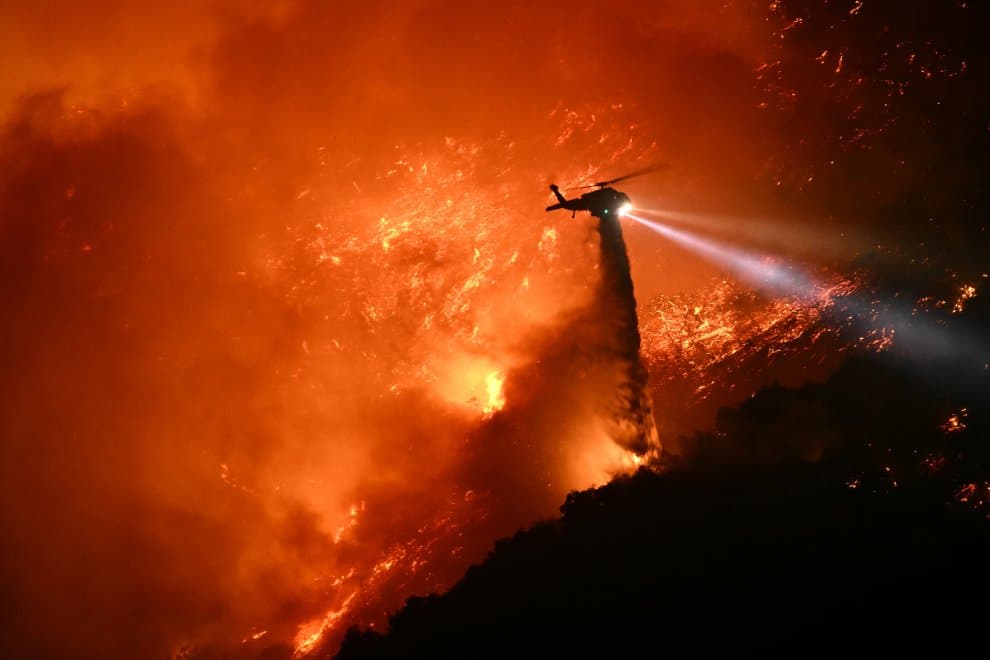
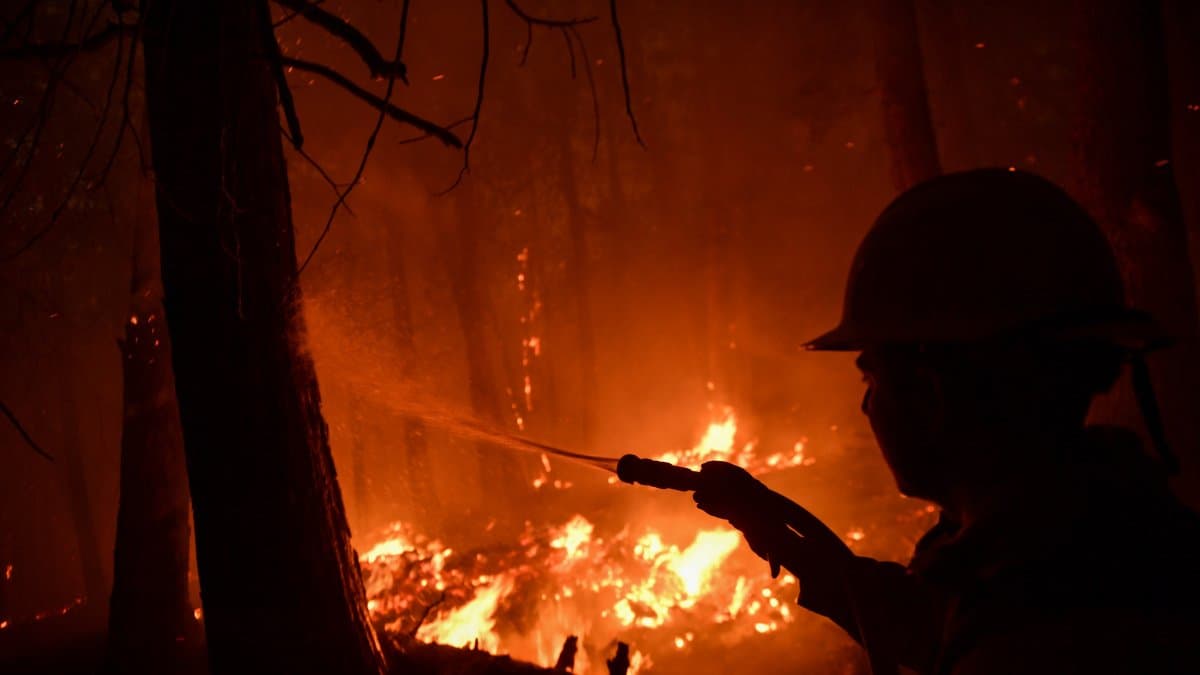
Fire in Palisades, Los Angeles County (California).

Hispanics are helping to rebuild Los Angeles. After the scars left by last year's fires in Los Angeles, it is their hands that are bringing streets and homes back to life. Latinos account for four out of every five workers in the recovery effort.
The data are part of a study conducted by the UCLA Latino Policy and Political Issues Institute (LPPI) and the UCLA Center for Neighborhood Knowledge (CNK). The analysis shows that Hispanic workers are disproportionately concentrated in the occupations most essential to wildfire recovery in Los Angeles County, while facing lower wages, lower health insurance coverage and significant gaps in unemployment insurance protection.
The study, moreover, demonstrates that recovery relies heavily on Latino workers, who are already economically vulnerable, for debris removal, construction, utility repair, landscaping and other rebuilding needs.
However, the report also warns about the employment situation of Hispanics. Among these workers, the median income is $36,000, compared with $54,000 for non-Latino white workers. In addition, Latinos in these occupations are less likely to have health insurance coverage.
"Latinos are essential workers for the recovery process. It won’t happen on its own. It depends on workers whose labor is crucial to rebuilding homes, infrastructure, and daily life," said Gonzalez, LPPI's research director.
"The analysis shows that these workers often lack the economic protections and basic supports that should accompany such essential role," he added.
The workers' shortcomings
Among residents of these communities, about 14% also lack such coverage, even if they work elsewhere.
"These gaps raise concerns about how workers and families sustain themselves when disasters disrupt income streams. (...) The authors call attention to the need for recovery strategies that account for the labor force sustaining cleanup and reconstruction, including stronger worker protections, better access to healthcare, and policies that help stabilize families facing income loss after disasters," the report highlighted.
🛠 Do you think there is an error in this article?
Recommendations






LATEST