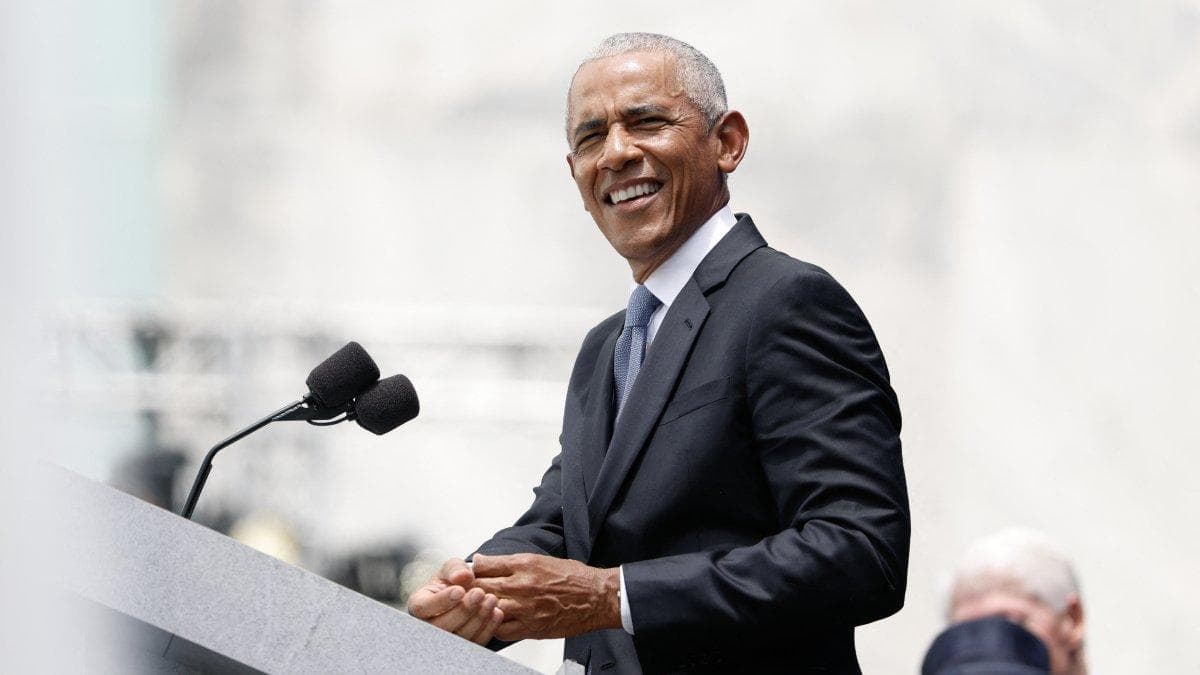
Xavier Becerra breaks with Newsom: Democratic front-runner backs away from California's green agenda
California became the nation's leading transportation electrification policy laboratory, a strategy that was subsequently adopted by other states and closely watched by governments around the world.
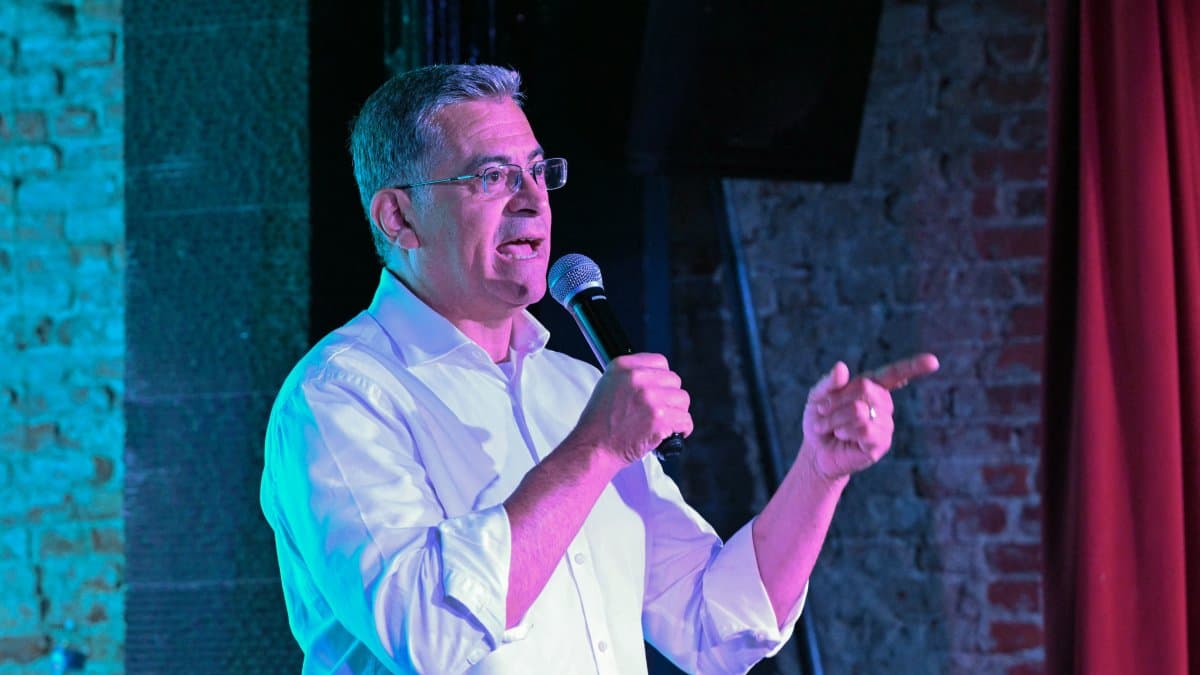

The leading Democratic contender to succeed California governor, Xavier Becerra, has opened one of the biggest political cracks within the state Democratic Party by questioning the viability of the ambitious plan pushed by Gavin Newsom to phase out the sale of new gasoline and hybrid vehicles starting in 2035.
Becerra's position represents a significant departure from one of the Newsom Administration's most emblematic climate policies. While not completely rejecting the transition to electric vehicles, the former health secretary argues that the timetable set by California depends on factors that currently create uncertainty: charging infrastructure, affordability for families, federal support, cooperation from automakers and the state's fiscal situation.
"California should move away from gasoline-powered vehicles when it makes sense, when the infrastructure and affordability are available to California families," Becerra said in a recent survey cited by POLITICO.
In later statements, the candidate was even more explicit about his doubts:
"We are not going to live in a fantasy world. If they told me where those things are, I could give them a much more precise answer. And if someone says they can give you that answer, then they're just making exaggerated promises."
A direct clash with Newsom's climate heritage
The controversy revolves around the executive order signed by Newsom in 2020, by which he instructed environmental regulators to develop some of the toughest emissions standards in the country and pave the way for only new zero-emission vehicles to be marketed in California starting in 2035.
Since then, California became the leading laboratory for transportation electrification policies in the country, a strategy that was subsequently adopted by other states and closely watched by governments around the world.
However, the scenario changed dramatically following the return of Donald Trump to the White House. The elimination of the $7,500 federal tax credit for electric vehicles led to a drop in sales and reopened the debate on the economic viability of the energy transition. In addition, the Trump Administration pushed for actions to block Californian emissions and electric vehicle standards.
Politics
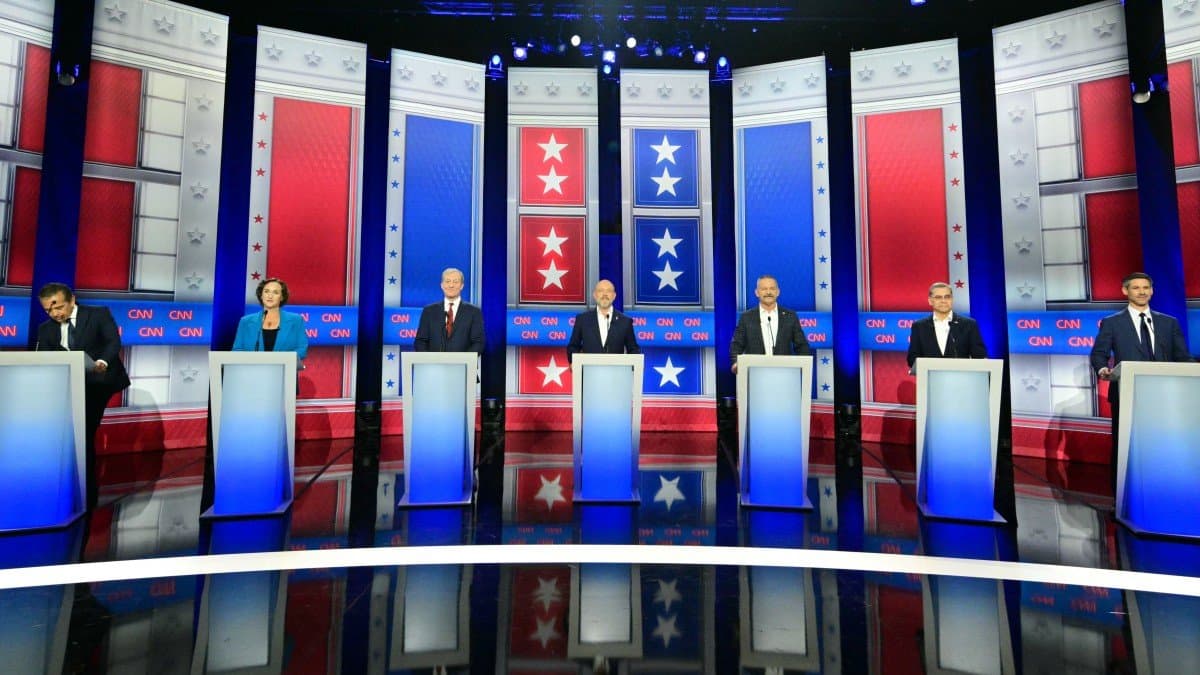
Steve Hilton, the Trump-backed British immigrant, shakes up the California gubernatorial debate
Emmanuel Alejandro Rondón
Affordability policy gains ground
Becerra's stance reflects a growing trend within California politics: the prioritization of affordability over more aggressive climate goals.
During the campaign, the former attorney general has insisted that fossil fuels will remain part of the economy for years to come. In one of the most talked-about moments of the race he went so far as to declare:
"You need Chevron, I need Chevron."
His statements have fueled criticism from leftist and environmentalist sectors, especially because he has rejected calls to exclude political contributions from oil companies.
But concerns about costs are not unique to Becerra. Several gubernatorial candidates have acknowledged that California's climate goals may require revisions in the face of the state's rising cost of living and energy woes.
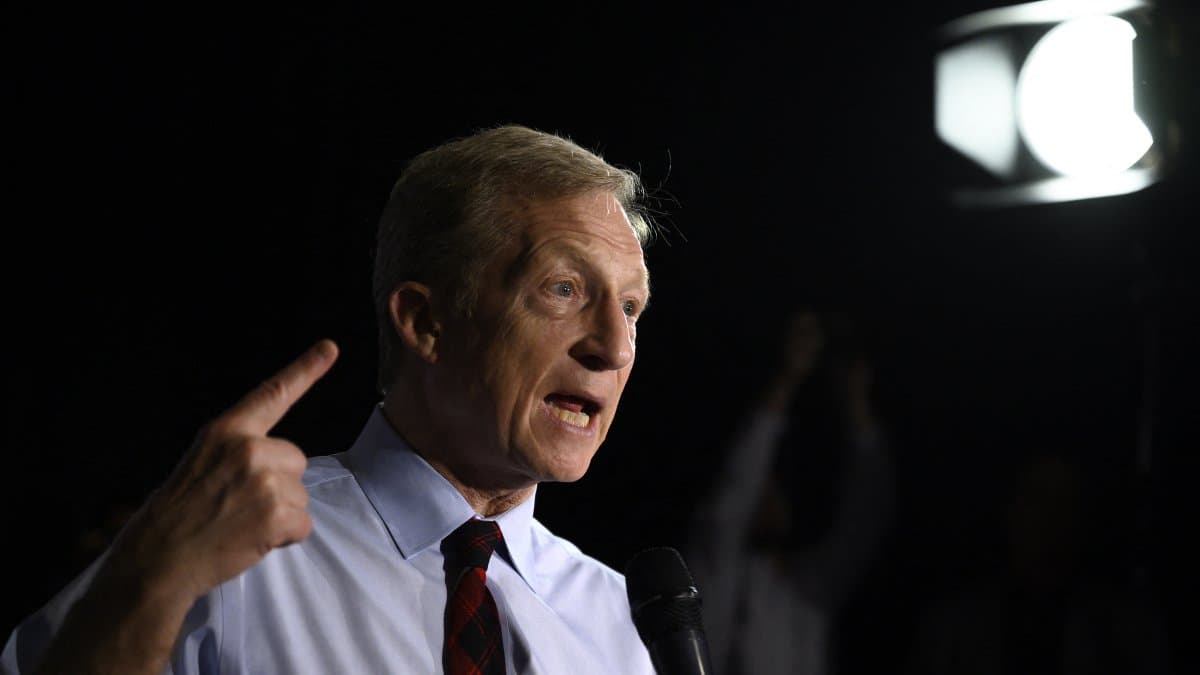
Tom Steyer seizes the opportunity
Steyer has made advocacy of climate goals one of the centerpieces of his campaign and has repeatedly accused Becerra of maintaining too close a relationship with the oil industry. In recent statements quoted by some media outlets he has dubbed him "Becerra, he of Big Oil."
His campaign promises to bolster the energy transition through more aggressive economic incentives, including extending state credits for the purchase of electric vehicles by working families.
A debate that could redefine California's energy future
The electric vehicle discussion has become symbolic of a broader debate within the Democratic Party: to what extent should ambitious climate goals be maintained when millions of citizens face affordability issues, high energy prices and difficulty accessing new technologies.
While Newsom remains committed to the 2035 goal, Becerra puts forward a more pragmatic view conditional on economic reality. The outcome of the election could determine not only the political future of California, but also the course of one of the most closely watched climate strategies on the planet.
🛠 Do you think there is an error in this article?
Recommendations


LATEST