Heavy rain and flash flood warnings for several states
The Storm Prediction Center also warned of a marginal risk of severe thunderstorms in areas ranging from the Dakotas to the Ozarks region, as well as sectors of West Texas.
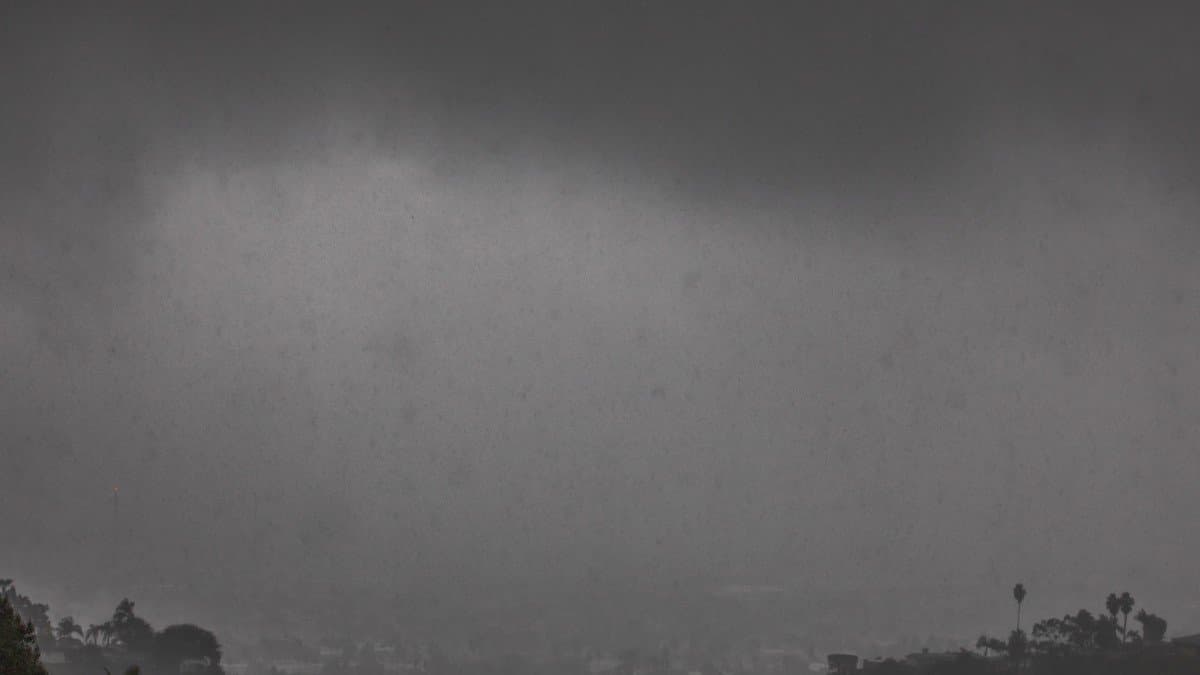

The National Weather Service reported that unstable weather conditions will continue for the next several days across broad regions of the country due to the advance of a frontal system extending from the northern Rocky Mountains to the Plains and Southeast.
According to the forecast, the system will bring multiple episodes of showers and thunderstorms between Sunday and Monday. The combination of atmospheric instability, short-duration disturbances and an increase in warm, humid air could generate heavy rainfall in the Southeast on Sunday.
Given this scenario, meteorological authorities issued a light risk warning of excessive rainfall and flash flooding for several areas in the southeast, where soils remain saturated from previous rainfall.
Also, there is a marginal risk of excessive rainfall from the northern Rocky Mountains to the Plains due to the potential for high-intensity rainfall capable of causing flash flooding.
The Storm Prediction Center also warned of a marginal risk of severe thunderstorms in areas ranging from the Dakotas to the Ozarks region, as well as portions of West Texas.
For Monday, the near-stationary frontal system is forecast to move slightly northeastward while low pressure at high levels remains over the northwestern United States. This situation will continue to favor the formation of showers and thunderstorms in parts of the eastern part of the country.
Thunderstorm risk
As for temperatures, much of the continental United States will record values near or above normal averages for this time of year. However, the northern Rocky Mountains will continue to experience below-normal temperatures.
Meanwhile, temperatures in the southern Plains are expected to reach 90 degrees Fahrenheit (32 Celsius), a situation that will increase the risk of moderate to high heat in the region.
🛠 Do you think there is an error in this article?
Recommendations









LATEST