Humiliation for The New York Times: Confusing the name of NATO, sparking criticism on social media and in the White House
The newspaper called the alliance the "North American Treaty Organization" in a print headline. The correction came hours later, but the reputational damage had already been done.
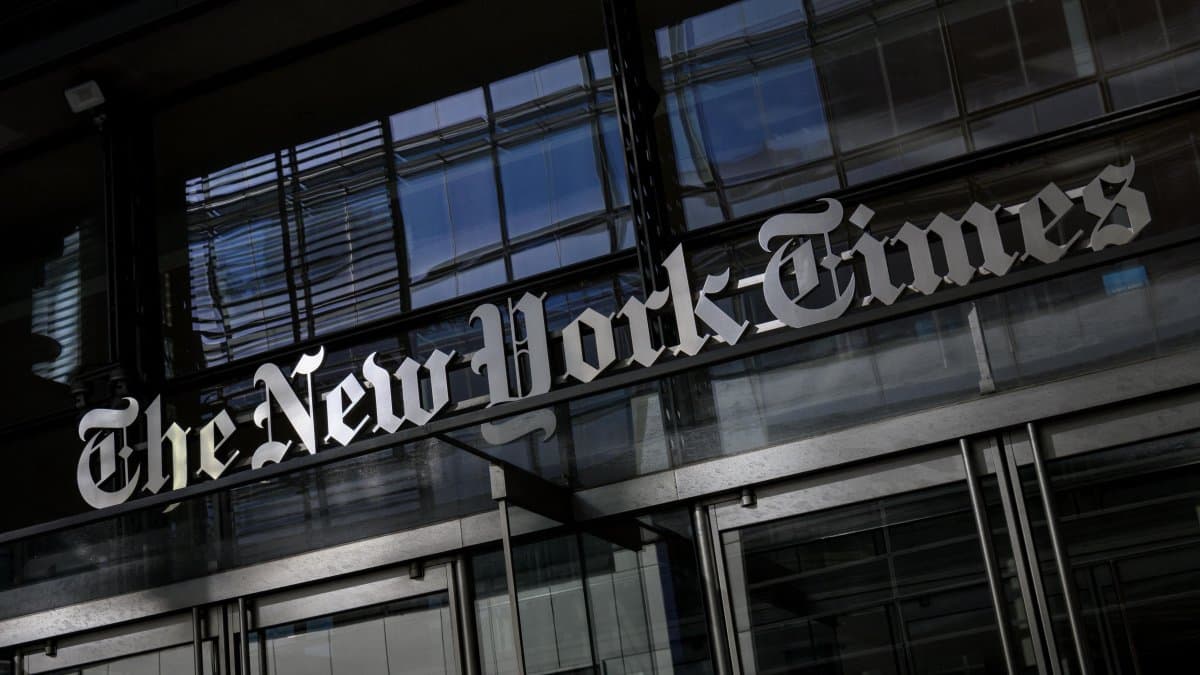

The New York Times made a blatant error on Good Friday with a headline in its print edition, referring to NATO as the "North American Treaty Organization," rather than its correct name, the North Atlantic Treaty Organization. The slip-up, a confusion between "Atlantic" and "American," triggered a wave of mockery and criticism that reached all the way to the White House.
The mistake, atypical in a print edition, especially in a headline, appeared in an article about President Donald Trump's threats to withdraw the United States from NATO, which gave a political context to the mistake and also provoked Trump's own reaction.
"The Failing New York Times, whose lack of credibility, and their constant Fake News attacks on your favorite President, ME, has caused its circulation to absolutely PLUMMET, referred to our severely weakened and extremely unreliable 'partner,' NATO, as the North American Treaty Organization," Trump wrote. "The correct name is the North Atlantic Treaty Organization - A very interesting mistake! The hiring and educational standards have gone way down at the NYT. Bring back, 'ALL THE NEWS THAT’S FIT TO PRINT' and, Make America Great Again!"
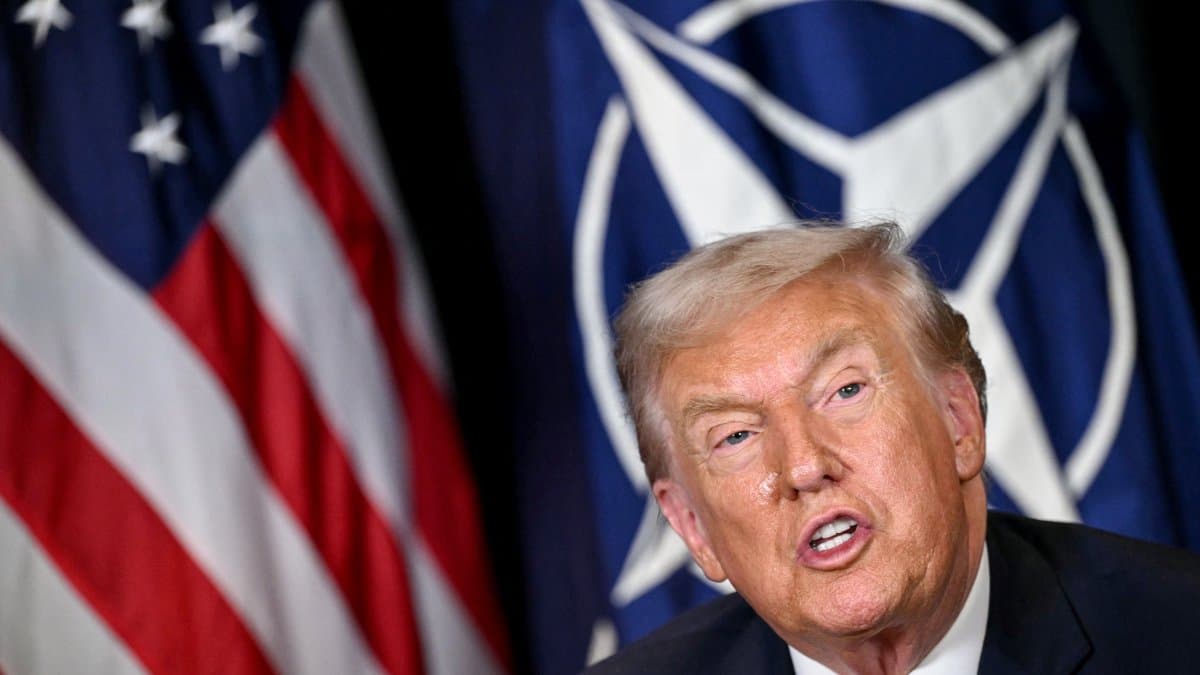
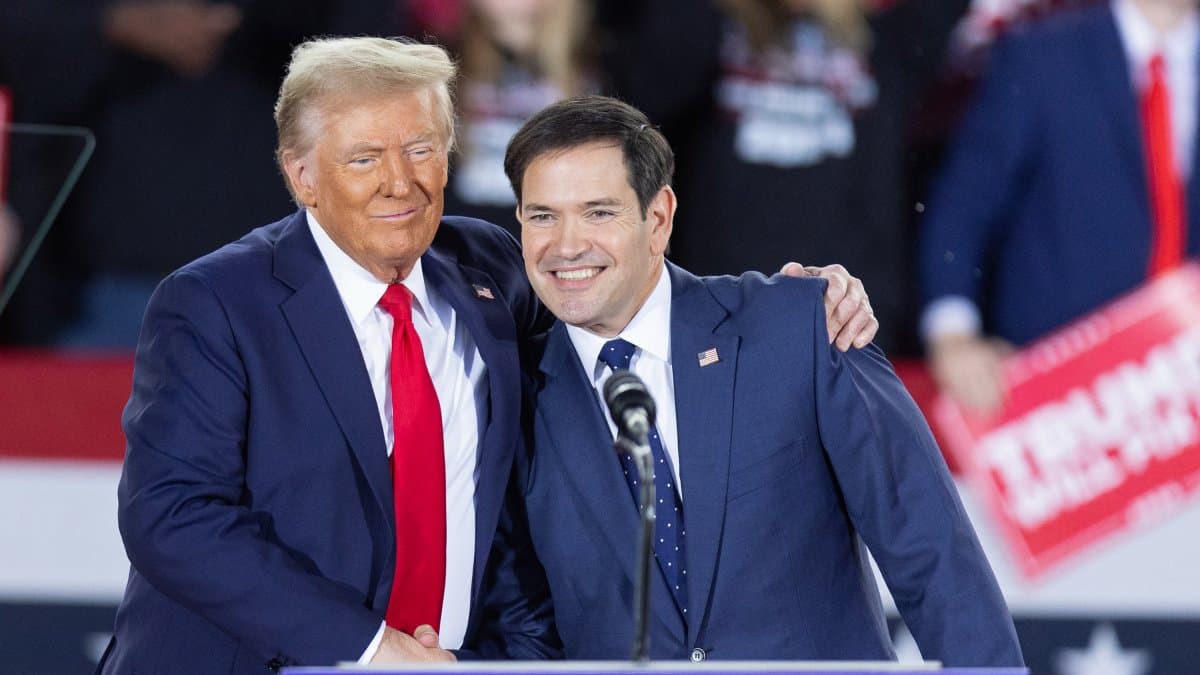
In recent days Trump has threatened to withdraw the United States from NATO, calling the alliance a "paper tiger" and accusing its members of doing "absolutely nothing" to support U.S. operations in Iran. Secretary of State Marco Rubio also announced that Washington will review its relationship with the alliance. The New York Times misstating NATO's name in precisely that context amplified the impact of the stumble.
Politics
Trump threatens to pull US out of NATO: 'I always knew they were a paper tiger'
Carlos Dominguez
In addition to Trump, a regular critic of the NYT and several traditional media, hundreds of users on social media questioned the newspaper's error.
"That is a huge f–king typo," said one user. Another called it "Embarrassing and sad." Some went so far as to doubt the headline was real. "Has @grok confirmed this is real? I mean. It can't be. Right?" another person posted on X. Some even called for dismissals: "This can't be real! Whoever wrote this headline needs to be fired."
The newspaper's response
The New York Times communications team responded on X confirming it would publish a correction in Saturday's print edition. Hours later, spokesman Charlie Stadtlander issued a statement explaining the paper's internal process in such cases: "When we make a mistake, editors discuss what happened and prepare a correction to tell readers and share the accurate information. We then fix the error in the story and publish the correction. We take errors seriously and have Standards editors dedicated to making sure they get corrected. Transparency is a cornerstone of accountable and independent journalism and a commitment to tens of millions of people who come to The Times every week, including our nearly 13 million subscribers."
The newspaper, however, did not offer an explicit apology or explain how the error occurred. The correction, if anything, came too late to avoid criticism.
🛠 Do you think there is an error in this article?
Recommendations





LATEST